


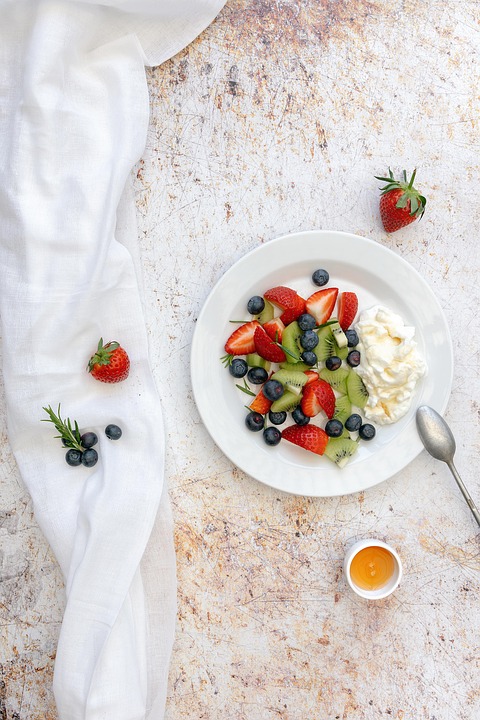
Incorporating greens into daily meals isn’t just a health trend; it’s a culinary exploration that enhances flavor and nutrition. Greens, in all their varieties, offer a versatile canvas for a multitude of preparations. From the rustic charm of traditional dishes to modern interpretations, here are ten delectable ways to incorporate greens into your diet.
Current Food Trends
The integration of plant-based diets into mainstream culinary culture has surged in popularity. Chefs worldwide are elevating greens from a side dish to the star of the plate. This trend is not merely about health; it also embraces sustainability and creative cooking techniques. From heirloom varieties to fusion cuisine, greens are finding their way into dishes across the culinary spectrum.
Ingredients and Preparation
When selecting greens, prioritize freshness and vibrant color, which indicate nutrient density. Look for seasonal varieties like kale, spinach, or arugula, and explore international specialties such as collard greens or bok choy. Proper preparation is vital; always wash greens thoroughly to rid them of grit. Sturdy greens like Swiss chard or mustard greens may benefit from a quick blanch to enhance color and remove bitterness.
Cooking Techniques and Methods
Embrace various cooking techniques to enjoy greens. Here are a few effective methods:
- Sauteing: Quickly sauté garlic and your choice of greens in olive oil for a simple side dish.
- Steaming: Preserve nutrients by steaming to create a tender yet vibrant accompaniment.
- Grilling: Grilling romaine or kale gives a smoky flavor and a unique presentation.
- Blending: Use greens in smoothies for a nutrient boost without sacrificing taste.
Nutritional and Meal Balance
Greens are low in calories yet high in vitamins A, C, and K, as well as essential minerals. Balancing greens with proteins like lean meats, legumes, or grains can create a satisfying meal. For instance, a spinach salad topped with grilled chicken and quinoa offers both texture and nutritional variety, embodying the essence of a well-rounded diet.
Food Presentation and Serving
Presentation enhances the dining experience. Contrast colors when plating; vivid greens paired with bright reds or deep purples create visual appeal. Serve sautéed greens in a rustic bowl drizzled with a balsamic reduction for an upscale feel. A sprinkle of toasted seeds or nuts can add both texture and an inviting crunch.
Common Cooking Mistakes
A few pitfalls to avoid include overcooking greens, which can lead to a mushy texture and loss of nutrients. Also, be cautious with seasoning; many greens have inherent bitterness that can be balanced with acidic elements like citrus or vinegar, allowing their natural flavors to shine.
Kitchen Tools and Modern Cooking
Invest in quality knives for easy chopping, and a heavy-bottomed pan for sautéing or wilting greens. A high-speed blender can facilitate smooth textures in soups and smoothies. For those exploring sous-vide cooking, greens can be infused with flavor while maintaining their integrity.
Future of Culinary Innovation
Culinary innovation is likely to further propel the consumption of greens. As chefs experiment with fermentation or hydrocolloids, greens will take on unexpected forms. Expect to see more dishes that feature greens in new shapes—from powders to chips — seamlessly integrating them into cuisines worldwide.
Conclusion
Embracing greens in your daily meals is a culinary journey filled with flavor, health, and creativity. By exploring diverse cooking techniques and international cuisines, it’s easier than ever to make greens a staple in your diet. From salads to desserts, the possibilities are virtually endless, and they offer a path to nutritional balance and culinary delight.