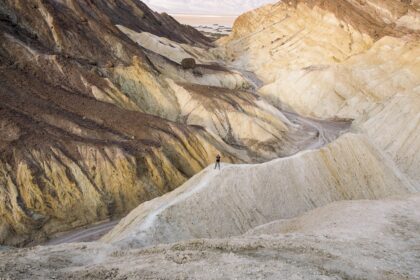


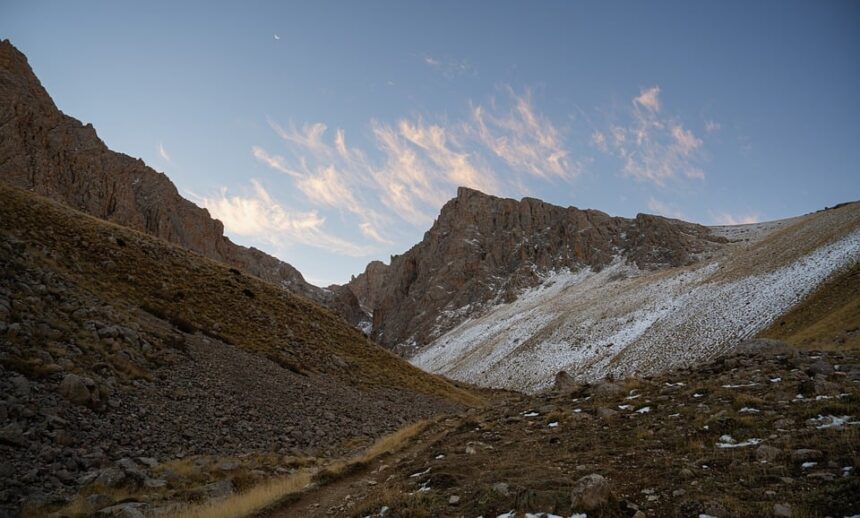
Adventure travel has surged in popularity, drawing those who seek adrenaline-pumping experiences far from the conventional tourist routes. This article explores the current trends in adventure travel, essential skills for outdoor exploration, and key aspects of staying safe while enjoying the great outdoors.
Current Adventure Travel Trends



As more individuals prioritize unique experiences over material possessions, adventure travel continues to gain momentum. Destinations like Peru for trekking to Machu Picchu or New Zealand for extreme sports are becoming pillars of outdoor exploration. Adventure seekers are increasingly interested in lesser-known routes in the Himalayas or the untouched wilderness of Patagonia, highlighting a shift towards deeper engagement with nature. This movement is not just about the activities but also the authenticity of experiences, emphasizing community interactions and environmental stewardship.



Essential Skills and Preparation
To navigate the world of hiking and trekking or to master mountain climbing, preparation is key. Basic survival skills such as building a fire, purifying water, and basic first aid are crucial, especially when exploring remote areas. Each adventure demands a unique skill set. For instance, in winter conditions, knowledge of avalanche safety and snow navigation is vital. Engaging in proper training for specific activities, such as guided climbing courses or wilderness survival workshops, can significantly enhance overall safety and enjoyment.
Physical and Mental Endurance



Physical fitness cannot be overemphasized; cardiovascular endurance and strength training are essential for demanding treks and climbs. Equally important is mental endurance. Activities like rock climbing require not only physical capability but a strong mental focus to overcome challenges and fears. Practicing mindfulness and stress management techniques can help adventurers maintain clarity and composure in unexpected situations, enhancing overall performance.
Outdoor Gear and Technology
Investing in quality outdoor gear is crucial. From durable backpacks to weather-resistant clothing and specialized mountain climbing equipment, the right gear significantly impacts safety and comfort. Technology plays a growing role in adventure travel; GPS devices, satellite communication, and apps for navigation can greatly enhance the experience. However, understanding how to use these tools effectively and ensuring they are backup options rather than primary navigation sources is essential.
Safety and Risk Management
Adventure safety should always be a top priority. Comprehensive risk management involves preparation for various scenarios, including changing weather conditions, wildlife encounters, and illness. Before embarking on any journey, it is advisable to inform someone of your plans and establish a check-in schedule. Having an evacuation plan, including knowledge of local emergency services, can prove invaluable in case of an emergency.
Environmental Responsibility
The concept of environmental awareness is critical in outdoor exploration. As adventure seekers, it’s crucial to respect ecosystems. Practices such as following the Leave No Trace principles ensure minimal impact on nature. Understanding local wildlife and ecosystems not only enhances the experience but fosters a responsible exploratory attitude, ensuring the preservation of these beautiful landscapes for future generations.
Common Adventure Mistakes
Many adventurers fall into common traps. Underestimating the terrain and overpacking can lead to exhaustion and diminished enjoyment. Failing to research local conditions regarding weather and trail accessibility can result in dangerous scenarios. It’s vital to continually assess abilities and choose challenges that align with personal skill levels while remaining open to adjusted plans as necessary.
Future of Adventure Exploration
As adventure travel continues to evolve, the demand for sustainable and meaningful travel experiences is likely to increase. Emerging destinations and new outdoor activities will shape the landscape of adventure. Innovations in gear technology, such as lightweight materials and sustainable brands, will also redefine the equipment used and enhance accessibility for a broader range of adventurers.
Conclusion
Adventure travel offers something for everyone, from tranquil hikes in national parks to extreme sports challenges. With the right preparation, respect for the environment, and a commitment to safety, adventurers can explore the breathtaking landscapes our world has to offer. Embracing these experiences fosters a deeper connection with nature and promotes a conscious approach to outdoor exploration.