


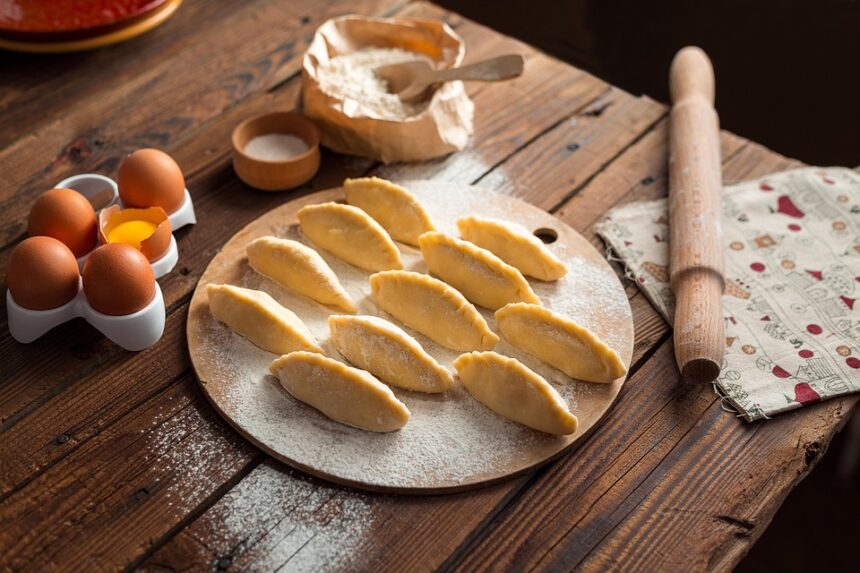
Food is a dynamic reflection of the seasons, cultures, and trends that shape our culinary landscape. Each season brings its own unique ingredients and flavors, inviting home cooks and chefs alike to explore new recipes that honor these natural gifts. In this article, we delve into ten essential recipes that cater to each season, focusing on healthy eating, cooking techniques, and the beauty of international cuisine.
Current Food Trends
Today’s culinary trends emphasize fresh, seasonal ingredients. The farm-to-table movement continues to gain momentum, allowing diners to appreciate the origin of their meals. Vegetarian and plant-based options are becoming staples in both home cooking and restaurant menus, showcasing how flavor and nutrition can coexist harmoniously. Furthermore, the rise of global cuisines in local markets gives home cooks a wondrous array of ingredients to experiment with.
Ingredients and Preparation
Utilizing seasonal ingredients is the cornerstone of achieving vibrant flavors in any dish. Spring heralds the arrival of fresh peas, asparagus, and radishes, while summer boasts tomatoes and zucchini. Fall brings comforting squash varieties and hearty greens, and winter encourages root vegetables and citrus fruits.
Consider incorporating these ingredients in recipes that celebrate their natural flavors while offering balanced nutrition. For instance, a spring vegetable risotto highlights the bright flavors of seasonal produce, while a comforting butternut squash soup in autumn showcases the sweetness of the harvest.
Cooking Techniques and Methods
Mastering various cooking techniques can elevate your home cooking from ordinary to exceptional. Techniques such as braising, steaming, and roasting bring out the depths of flavor in different ingredients. For example, roasting brings caramelization that enhances the natural sweetness of root vegetables, while steaming preserves the vibrant colors and nutrients of leafy greens.
For instance, a simple roasted beet salad combined with goat cheese can be transformed into a restaurant-style dish by mastering the art of presentation while using simple techniques like emulsifying a vinaigrette.
Nutritional and Meal Balance
Creating nutritionally balanced meals is essential for maintaining a healthy lifestyle. Each recipe can be designed to include a balance of macronutrients: proteins, carbohydrates, and fats. A classic Mediterranean grain bowl, combining quinoa, chickpeas, seasonal veggies, and a tahini dressing, is an excellent example of meal preparation that promotes health without sacrificing flavor.
When planning meals, consider the season’s bounty along with dietary needs and preferences. Including a variety of colors on the plate also enhances visual appeal while ensuring a rich array of nutrients.
Food Presentation and Serving
How food is presented can significantly affect a diner’s experience. Utilizing various textures, colors, and plating styles can elevate even the most straightforward recipes. Techniques such as stacking, drizzling sauces, and adding garnishes can create a visually enticing plate.
For example, a dessert like a berry pavlova can shine with a vibrant mix of juicy berries, a light meringue, and a dusting of powdered sugar, capturing the essence of summer while being nutritious.
Common Cooking Mistakes
Even seasoned cooks can fall prey to common pitfalls. Overcooking vegetables or under-seasoning can detract significantly from a dish. It’s crucial to taste as you go, adjusting flavors and textures to achieve balance. Additionally, improper knife skills can not only affect presentation but also cooking times.
Experimenting with new cuisines may pose challenges. However, understanding the foundational techniques allows for variations while honoring the spirit of the dish, such as adjusting spice levels in Indian curries to suit personal preferences.
Kitchen Tools and Modern Cooking
The evolution of kitchen tools has transformed cooking practices. Investing in essential items like a good chef’s knife, a reliable blender, and quality bakeware can enhance your culinary endeavors. Additionally, modern gadgets like sous-vide machines or air fryers can open up endless possibilities for creative cooking.
When preparing recipes, consider how these tools can streamline processes, whether it’s perfecting the texture of a steak or achieving crispness in baked goods.
Future of Culinary Innovation
The future of culinary innovation looks bright, with an increasing focus on sustainability and health. Chefs and home cooks alike are experimenting with alternative proteins, climate-friendly ingredients, and methods that minimize waste. This trend encourages creativity while fostering a greater connection to the food we eat.
Expect to see more fusion dishes that celebrate global influences, promoting cultural understanding through the medium of food.
Conclusion
Savoring the flavors of each season is an enriching experience that connects us to the earth and its cycles. By embracing current culinary trends, understanding ingredient selection, and mastering cooking techniques, we can create meals that not only nourish but also delight the senses. Whether you’re preparing a simple home-cooked dish or an elaborate restaurant-style recipe, the joy of cooking begins with an appreciation for the ingredients and cultures that inspire us all.