


Adventure travel is more than just a pursuit; it is a transformative experience that can broaden one’s understanding of the world. This article examines the trends, skills, and insights necessary for embarking on meaningful outdoor exploration and wilderness adventures.
Current Adventure Travel Trends

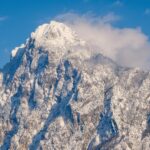
The adventure travel landscape has evolved rapidly, with a growing demand for immersive experiences that emphasize cultural connections. Activities like hiking and trekking often lead travelers into areas rich in tradition and history, fostering a deeper appreciation for local cultures. Moreover, extreme sports have gained popularity, attracting thrill-seekers keen on pushing their limits and discovering remote destinations.

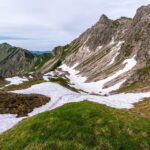

Essential Skills and Preparation
Before venturing into the wilderness, mastering essential skills is crucial. Navigation (both traditional and digital) is a key area, as trails can often be challenging to follow. Basic survival skills, including building shelters and identifying edible plants, are vital in emergencies. Additionally, effective communication, especially in diverse settings, is valuable for harmonious interactions with local communities.
Physical and Mental Endurance
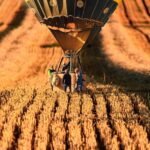


Pursuing activities such as mountain climbing or backpacking requires significant physical conditioning. A well-developed stamina and strength base enhances performance and minimizes injury risks. Mental resilience is just as essential; cultivators of endurance often draw upon meditation techniques or visualization strategies to boost focus and motivation during arduous journeys.
Outdoor Gear and Technology
The right outdoor gear can make or break an adventure. Modern advancements have produced lightweight materials that offer weather resistance and durability. Hydration systems, GPS devices, and altitude meters not only enhance safety but also provide valuable intelligence during trips. It’s essential to familiarize oneself with gear functionality prior to departure to ensure efficiency in the field.
Safety and Risk Management
Understanding risk is vital in adventure travel. Factors such as environmental conditions, physical health, and equipment reliability can influence safety. Establishing contingency plans and familiarizing oneself with local wildlife can significantly reduce accident risks. It’s also advisable to inform someone about your itinerary and expected return times when engaging in wilderness expeditions.
Environmental Responsibility
As travelers, cultivating an awareness of environmental impacts is paramount. Practices like “Leave No Trace” promote conservation and respect for nature. Engaging with local conservation programs can further contribute to environmental sustainability while enriching cultural experiences. Responsible adventurers actively seek to minimize their footprint, encouraging future generations to enjoy pristine landscapes.
Common Adventure Mistakes
Many adventurers fall prey to common pitfalls, including inadequate preparation, ignoring weather reports, and overestimating physical capabilities. Underestimating the demands of a trek can lead to fatigue or injury. Learning from past mistakes and staying humble in the face of nature can ultimately lead to safer and more enjoyable experiences.
Future of Adventure Exploration
The future of adventure exploration is likely to emphasize sustainability, cultural authenticity, and technological integration. Initiatives that promote local economies while protecting natural resources are gaining traction. As technology continues to evolve, we may see innovations that enhance safety and accessibility in remote areas, further opening up the world for adventure travel.
Conclusion
Beyond Borders invites adventure travelers to immerse themselves in the beauty of outdoor exploration, enhance their skills in survival and navigation, and engage responsibly with the environments they traverse. By understanding the complexities of adventure, adventurers can not only inspire change within themselves but also foster a broader appreciation of the world’s varied cultures and landscapes.