


Biodiversity is not merely a biological phenomenon; it is the cornerstone of our planet’s health and humanity’s survival. As we grapple with environmental challenges, embracing biodiversity provides not just a pathway but a necessity for a sustainable future.
Current Nature and Environmental Trends
In recent years, the world has witnessed a heightened awareness regarding the significance of nature exploration and conservation efforts. Organizations and individuals alike are increasingly engaging in preserving wildlife and natural habitats. Still, alarming trends in habitat destruction, pollution, and climate change persist, jeopardizing the delicate balance of our ecosystems.
Ecosystems and Biodiversity
Natural ecosystems, including forests, mountains, rivers, and oceans, are rich reservoirs of biodiversity. For instance, tropical rainforests house over half of the world’s terrestrial species, despite covering only 1.2 billion hectares. The interconnectedness of species within these ecosystems highlights the necessity for informed conservation strategies. Biodiversity supports ecosystem services, such as pollination, water purification, and climate regulation, all essential for human welfare.
Wildlife and Natural Habitats
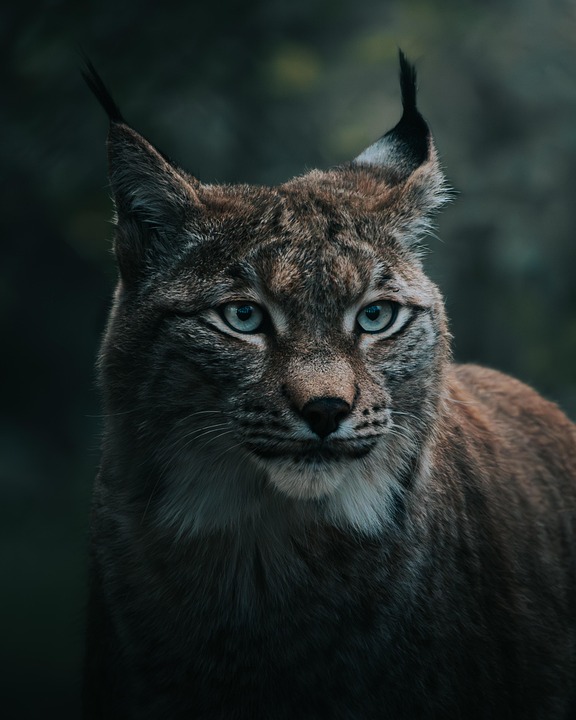
Wildlife conservation is integral in maintaining biodiversity. Species such as the jaguar, blue whale, and countless pollinators face existential threats from habitat loss and climate impacts. Protected areas and national parks play a vital role in safeguarding these species and their habitats. They not only preserve a sanctuary for wildlife but also promote eco tourism, allowing people to connect with nature while fostering economic benefits for local communities.
Climate and Environmental Challenges
The energy sector remains one of the largest contributors to climate change, driving habitat alteration and biodiversity loss. Rising temperatures and erratic weather patterns further challenge ecosystems, from coral bleaching in oceans to forest die-offs in mountainous regions. Addressing climate change is paramount, as its ripple effects on biodiversity are profound and potentially irreversible.
Conservation and Sustainability
Conservation efforts must prioritize sustainable living to protect invaluable natural resources. This includes a commitment to restoring degraded landscapes and encouraging sustainable agricultural practices. Innovative initiatives, such as rewilding and habitat corridors, are gaining traction, offering solutions to bolster biodiversity effectively.
Human Interaction with Nature
The relationship between humans and nature is complex and often fraught with contradictions. Outdoor nature experiences enhance environmental awareness among people, leading to advocacy for conservation. However, overexploitation of resources and pollution from urban settings also pose significant threats. Balancing human needs with ecosystem preservation is an ongoing challenge demanding collective responsibility.
Common Environmental Mistakes
Many individuals unintentionally contribute to ecological degradation through common practices, such as excessive plastic use, water wastage, and habitat encroachment. Raising awareness and educating the public on sustainable practices are crucial steps in mitigating these impacts.
Future of Nature Conservation
The future of nature conservation hinges on a multifaceted approach that encompasses scientific research, community involvement, and policy reform. The integration of modern technology, such as drones for wildlife monitoring and apps for citizen science, can enhance conservation efforts and foster a deeper connection to nature.
Conclusion
Embracing biodiversity is fundamentally an investment in our collective future. By understanding the intrinsic value of natural ecosystems and committing to conservation efforts, humanity can cultivate a sustainable relationship with the planet. Each step toward protecting our wildlife and habitats is a step toward ensuring a healthier, more resilient world for generations to come.