



Introduction
In the realm of gastronomy, the ability to elevate simple ingredients into gourmet dishes is an art form that many aspire to master. This article delves into the heart of culinary practices, revealing how to utilize essential cooking techniques, ingredient selection, and meal preparation strategies to create enticing, nutritionally balanced meals that reflect current food trends and resonate with international cuisine.


Current Food Trends
As the culinary landscape continues to evolve, trends such as plant-based cooking, fusion flavors, and a focus on local and seasonal ingredients are gaining popularity. Engaging with these trends not only enhances your cooking repertoire but also encourages a culinary environment that celebrates diversity and sustainability.
Ingredients and Preparation
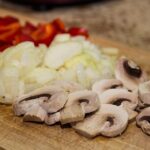
Selecting the right ingredients is paramount in achieving gourmet results. Opt for fresh, seasonal produce when possible. Ingredients like heirloom tomatoes, artisanal cheeses, and locally sourced grains can add distinct flavors and textures. Preparation methods, such as proper washing, cutting techniques, and marinating, can significantly impact the final dish’s taste and presentation.



Cooking Techniques and Methods
Mastering fundamental cooking techniques is essential. Techniques such as sautéing, braising, and sous-vide cooking help to extract maximum flavor from ingredients. By utilizing modern methods such as molecular gastronomy alongside traditional approaches, chefs can create innovative dishes that honor their roots while appealing to contemporary palates.
Nutritional and Meal Balance
For a dish to be considered gourmet, it must also be nutritionally balanced. Incorporating a variety of vegetables, lean proteins, and whole grains ensures that meals are both satisfying and wholesome. Understanding macronutrients and ensuring that meals comprise proteins, carbohydrates, and fats is essential in achieving nutritional goals while indulging in gourmet cuisine.
Food Presentation and Serving
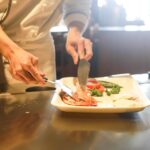
Visual appeal plays a crucial role in dining. Using colorful ingredients and mindful plating techniques can enhance the gourmet experience. Simple practices such as using contrasting colors, varying heights, and garnishing with fresh herbs can transform a dish from ordinary to extraordinary, enticing diners even before the first bite.
Common Cooking Mistakes
While attempting to recreate restaurant-style recipes at home, it is common to overlook simple details like seasoning and cooking temperatures. Under-seasoning can leave a dish flat, while incorrect temperatures can ruin the consistency of ingredients. Learning from these mistakes can refine your cooking process and elevate your culinary skills.
Kitchen Tools and Modern Cooking
Investing in the right kitchen tools can simplify meal preparation and enhance cooking techniques. Essential tools include sharp knives, cast iron pans, and precision thermometers. Moreover, embracing small kitchen gadgets, such as spiralizers and immersion blenders, can open new avenues in the culinary creation process while saving time.
Future of Culinary Innovation
The future of cuisine is promising, with advancing technology leading to innovative food preparation methods and a growing focus on sustainability. As more chefs adopt these innovations, home cooks can also leverage gadgets and techniques that were once exclusive to the restaurant industry, allowing for continual refinement and creativity in home cooking.
Conclusion
Transforming simple ingredients into gourmet dishes is an achievable ambition that entertains and nourishes. By embracing modern cooking techniques, focusing on quality ingredients, and striving for nutritional balance, you can create restaurant-style recipes in your own kitchen. As the culinary landscape continues to shift, let your creativity flourish alongside the dynamic food culture around you.