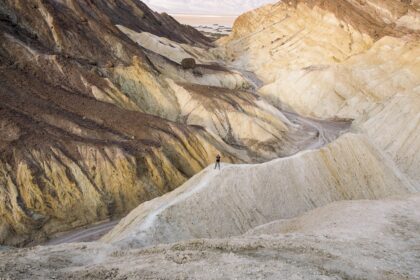


In the realm of adventure travel, the debate over whether to hike alone or in a group presents an ongoing dilemma for outdoor enthusiasts. Both styles of hiking carry unique benefits and challenges, crucial to the experience of outdoor exploration. This article will delve into the essential factors that affect your hiking style, providing insights into how to choose the perfect fit for your wilderness adventure.
Current Adventure Travel Trends
Recently, there has been a notable shift in how individuals engage in hiking and trekking. With the surge in solo travel and a growing emphasis on personal fulfillment, many hikers are embracing solitude. Conversely, group hiking continues to attract those seeking camaraderie and shared experiences. Understanding these trends illuminates the various motivations people have in their quest for adventure.
Essential Skills and Preparation
Whether embarking on a solo journey or tackling trails with companions, proper preparation is paramount. Solo hikers must possess robust navigation and survival skills, ensuring they can handle unforeseen circumstances independently. Conversely, group hikers can divide tasks, relying on collective knowledge. Both styles require an understanding of wilderness adventure principles, including route planning, terrain familiarity, and emergency preparedness.
Physical and Mental Endurance
The mental and physical demands of hiking can vary significantly between solo and group experiences. Solo hiking often tests an individual’s resilience, pushing personal limits and fostering self-reliance. In group settings, the shared motivation can enhance endurance, as hikers support one another through fatigue and challenging environments. Balancing individual goals with group dynamics can lead to unique rewards in both contexts.
Outdoor Gear and Technology
The selection of appropriate outdoor gear is essential for both solo and group hikers. Solo adventurers should prioritize lightweight and multifunctional gear, which minimizes their pack weight and increases mobility. In contrast, group hikers can share equipment, allowing for greater diversity in supplies. It’s also important to consider technology: GPS devices and mobile apps enhance navigation for both approaches but should never replace fundamental map-reading skills.
Safety and Risk Management
Adventure safety cannot be overstated. Solo hikers bear the full responsibility for their safety, necessitating a meticulous approach to risk management. This includes being aware of trail conditions, weather changes, and wildlife encounters. Group hiking can mitigate some risks through shared knowledge and experience, yet it also introduces new dynamics like group cohesion and decision-making under pressure. Understanding and communicating risks is vital in both scenarios.
Environmental Responsibility
Whether hiking solo or in a group, environmental awareness is crucial. Both styles have a profound impact on nature, making it essential for adventurers to practice Leave No Trace principles. Solo hikers may find it easier to minimize their footprint, while groups must coordinate collective efforts to respect the environment. Educating oneself about local ecosystems and practicing responsible hiking contributes to the sustainability of outdoor spaces.
Common Adventure Mistakes
In the world of adventure, both solo and group hikers make common mistakes that can lead to unforeseen challenges. Solo hikers may underestimate the importance of supplies or become too absorbed in solitude, while group participants can fail to communicate effectively, leading to misunderstandings. Learning from these mistakes reinforces the value of planning, communication, and risk mitigation in both hiking styles.
Future of Adventure Exploration
The future of adventure exploration will likely see a continued blend of solo and group hikes, with technology playing a critical role. Virtual communities may offer new forms of support for solo hikers, while group dynamics can be enhanced through online platforms. Regardless of the direction, the essence of adventure lies in exploring the great outdoors, whether alone or with others.
Conclusion
Choosing between hiking alone and group hiking is a deeply personal decision that influences your adventure style. Each offers distinct experiences shaped by skills, endurance, gear, and environmental considerations. Ultimately, whether you find fulfillment in solitude or camaraderie, both paths lead to memorable explorations and a deeper connection with nature. As you embark on your next journey, consider what aligns with your adventure spirit.