


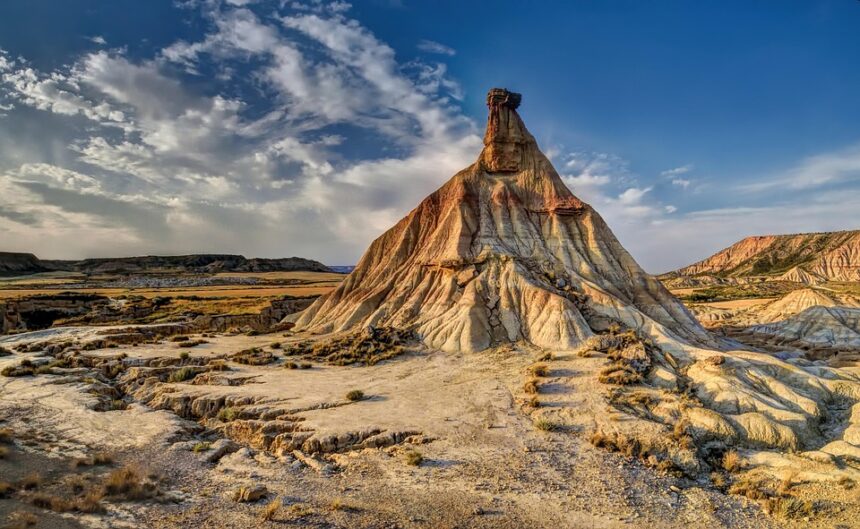
As thrill-seekers embrace adventure travel, the need for sustainability in outdoor exploration becomes more pressing. Adventure experiences should neither compromise the environment nor the excitement that comes with them. Here’s a look at how to travel responsibly while still enjoying the beauty of nature through hiking, trekking, and extreme sports.
Current Adventure Travel Trends



The rise in adventure travel has led to diverse outdoor exploration options. From multi-day hiking and trekking trips to extreme sports like rock climbing and white-water rafting, travelers are seeking experiences that challenge both their physical and mental endurance. Sustainable practices are becoming more mainstream as travelers pick destinations that prioritize environmental responsibility—favoring rural locations over urban tourism hubs.



Essential Skills and Preparation
Preparation is key in any wilderness adventure. Equip yourself with essential survival skills such as navigation, first-aid, and resource management. Familiarize yourself with the terrain before embarking on hikes or mountain climbing expeditions. Knowing how to create a shelter, procure water, and identify edible plants can make a critical difference in the event of unexpected circumstances.
Physical and Mental Endurance



Engaging in activities like hiking or backpacking requires a good level of physical fitness. Regular cardiovascular and strength training can substantially enhance your trekking capability. Mental endurance is just as important; establishing a positive mindset can help you overcome challenges. Techniques such as mindfulness can improve focus and resilience while navigating tough trails.
Outdoor Gear and Technology
Choosing the right outdoor gear is essential for safety and enjoyment in adventure travel. Lightweight, durable tents and backpacks enhance the experience, making trekking or camping more manageable. Additionally, technological advancements in gear—like GPS devices and eco-friendly equipment—can provide safety while minimizing environmental impact. Investing in sustainable outdoor gear not only supports ethical manufacturing but also ensures better performance during excursions.
Safety and Risk Management
Adventure safety involves meticulous planning. Conduct thorough research on your chosen routes to identify potential hazards. It’s wise to carry a first-aid kit, a compass, and emergency provisions. Check weather reports and be prepared for sudden changes, especially in remote destinations. Being aware of your physical limits can prevent accidents and ensure a safer adventure.
Environmental Responsibility
Adventurers must understand the importance of environmental awareness. Simple practices such as “Leave No Trace” principles—pack in, pack out—can significantly reduce your ecological footprint. This means cleaning up all waste, sticking to trails to protect flora, and respecting wildlife habitats. Opting for eco-friendly accommodations and transport also contributes to a more sustainable travel experience.
Common Adventure Mistakes
Even seasoned adventurers can fall prey to common mistakes. Underestimating the challenges of hiking and trekking paths, neglecting to check gear quality, and failing to prepare for altitude sickness during mountain climbing can hinder your experience. Ensure that you have a wisely planned itinerary that includes adequate rest and acclimatization periods.
Future of Adventure Exploration
The future of adventure travel seems promising as technology continues to align with sustainability. Innovations like solar-powered gear and apps that promote eco-friendly practices are paving the way for responsible outdoor exploration. As awareness of environmental issues grows, adventurers are more likely to choose routes and activities that support conservation efforts and promote a deeper connection with nature.
Conclusion
Adventure travel provides a unique opportunity to connect with nature while pushing personal boundaries. By focusing on sustainable practices and adhering to safety protocols, adventurers can enjoy thrilling experiences without compromising the environment. Whether you’re hiking, mountain climbing, or embarking on a wilderness expedition, the thrill of adventure awaits those who are prepared and conscious of their impact.