

Introduction
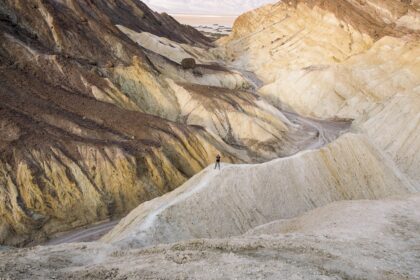
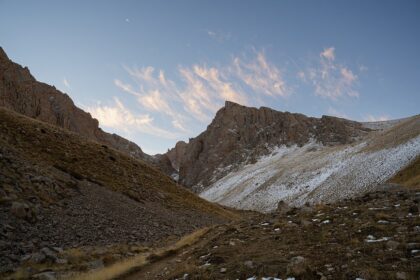
In the era of social media and instant sharing, the adventure travel photography landscape has become more vibrant and accessible than ever. Capturing the essence of outdoor exploration, whether it’s hiking and trekking through lush forests or mountain climbing at high altitudes, requires a combination of skill, preparation, and appreciation for the natural world around us. This guide aims to provide practical insights into photography that complements the adventure travel experience.


Current Adventure Travel Trends
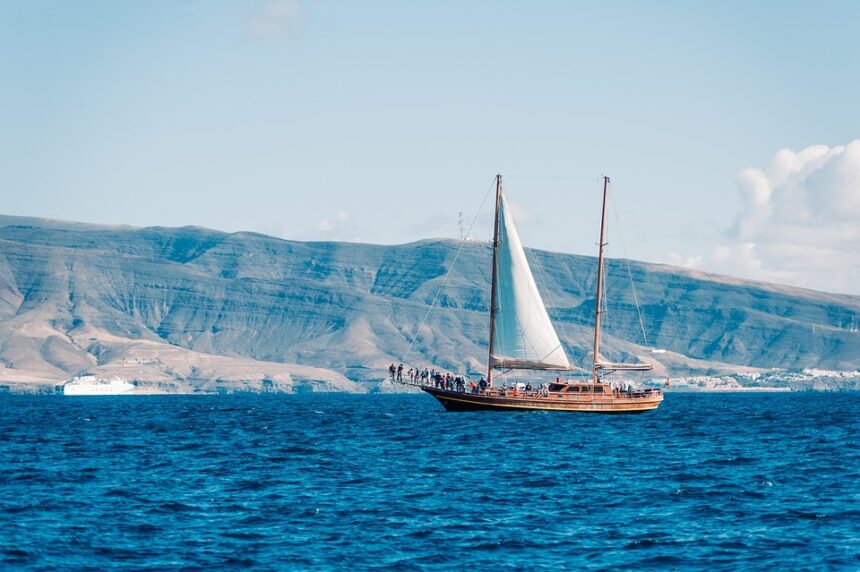
Today’s adventure travelers seek immersive experiences—wilderness adventures that allow them to connect with nature on a deeper level. Popular activities such as extreme sports, backpacking, and camping are often enhanced by the desire to document these challenges. Photography has evolved from an afterthought to an integral part of the adventure experience, inspiring others to explore remote destinations.


Essential Skills and Preparation
Before embarking on your journey, understanding basic photography principles is essential. Adjusting settings like aperture and shutter speed can help capture images that reflect the true beauty of your surroundings. Additionally, learning how to compose a shot in various environments, from mountainous terrain to serene lakes, can elevate your photography. Familiarizing yourself with outdoor gear, like lightweight tripods and weather-resistant cameras, is also critical for adventure travel.



Physical and Mental Endurance
Photographing in challenging environments demands not only physical stamina but also mental fortitude. Long hikes or climbs can be taxing, and maintaining focus while managing equipment becomes vital. Practicing your physical endurance through regular hiking and trekking can prepare you for the physical demands of capturing breathtaking landscapes without compromising on composition.
Outdoor Gear and Technology
The technology you choose can greatly influence your photographic outcomes. Lightweight, durable outdoor gear allows for easy transportation while protecting your equipment. DSLR and mirrorless cameras offer flexibility, but action cameras and drones can provide unique perspectives that standard cameras often miss. Knowing how to navigate and operate technology in wilderness settings is indispensable.
Safety and Risk Management
Adventure safety should always come first. Before any exploration, assess the risks involved, and ensure your camera equipment does not become a liability. Proper risk management entails knowing your limits and the nature of the terrain. Carrying a first aid kit and learning basic survival skills can serve you well in case of emergencies, allowing you to focus on capturing the beauty around you without unnecessary worry.
Environmental Responsibility
When engaging in outdoor exploration, being environmentally responsible is crucial. Always practice the Leave No Trace principles, ensuring that your photography does not disturb wildlife or damage natural landscapes. Capture images that promote environmental awareness and inspire conservation efforts among your audience, fostering a deeper respect for the environments you explore.
Common Adventure Mistakes
Many adventurers underestimate the importance of planning and preparation. Shoots without a clear vision often lead to missed opportunities or disappointing results. Additionally, neglecting weather forecasts can result in unsafe conditions for both the photographer and their equipment. Learning from past experiences will help you avoid common pitfalls and improve your future shoots.
Future of Adventure Exploration
As technology continues to advance, the future of adventure photography looks promising. Innovations such as real-time editing applications and improved camera gear are set to redefine the way we capture outdoor exploration. However, it is vital that adventure travelers remain grounded in appreciation for nature, ensuring that their creative endeavors enhance rather than detract from the wilderness experience.
Conclusion
Adventure travel photography is not merely about capturing stunning images; it is a celebration of the wild places we explore and the experiences that shape us. By honing your photography skills, respecting the environment, and managing risks effectively, you can document your journeys in a meaningful way. Thus, the next time you embark on a wilderness adventure, let your images tell the stories of exploration, endurance, and respect for nature.