


Introduction
In today’s fast-paced world, the appeal of one-pot meals lies in their simplicity and convenience. These dishes are designed to deliver robust flavors while minimizing cleanup. This article explores the fundamentals of creating one-pot wonders—easy recipes that cater to various dietary preferences and culinary traditions, ensuring everyone can enjoy a stress-free meal.

Current Food Trends
One-pot meals are part of a broader culinary trend emphasizing convenience without sacrificing taste. Home cooks are increasingly seeking recipes that can be prepared in a single vessel, often using seasonal ingredients and incorporating international flavors.
Ingredients and Preparation
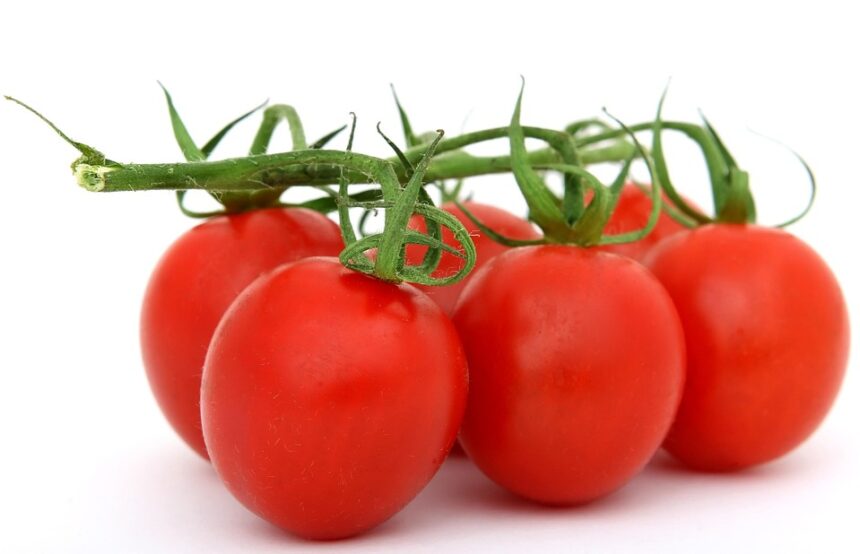
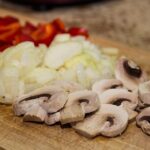
The choice of ingredients is crucial in creating delicious one-pot dishes. Fresh vegetables, high-quality proteins, and well-balanced grains often form the backbone. For instance, a classic paella uses saffron-infused rice paired with seafood and seasonal vegetables. Opting for organic or locally sourced ingredients enhances both flavor and nutritional value.

Key Ingredient Tips:
- Select seasonal vegetables for optimal freshness and taste.
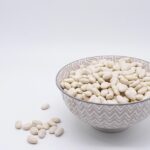
- Balance proteins such as beans or lean meats for a well-rounded meal.
- Consider whole grains like quinoa or farro for added fiber.
- Use aromatic herbs and spices to elevate your dish without excess salt.
Cooking Techniques and Methods
Mastering cooking techniques is essential for one-pot recipes. Common methods such as sautéing, simmering, and baking can be executed in various combinations to build layers of flavor. For example, browning meats and vegetables before adding liquids can enhance depth. Additionally, the use of a lid traps moisture, ensuring meats stay tender and grains cook evenly.
Nutritional and Meal Balance
One-pot meals can be as nutritionally balanced as they are delicious. Incorporating a variety of food groups—vegetables, proteins, and healthy fats—can create a well-rounded dish. For instance, a chickpea curry served with brown rice not only contributes protein but also fiber, enhancing satiety and digestion.
Food Presentation and Serving
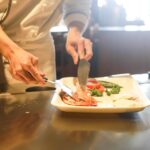
The visual appeal of a meal can enhance the dining experience. Even in one-pot cooking, presentation matters. Serve directly from the pot for a rustic feel or spoon portions onto colorful plates to create a more refined look. Garnishing with fresh herbs, drizzling with a good olive oil, or sprinkling with nuts can add both texture and color.
Common Cooking Mistakes
Even seasoned cooks can fall prey to common one-pot cooking missteps. These include overcrowding the pot, which can lead to uneven cooking, or neglecting to season the dish adequately. It’s crucial to taste as you go, adjusting flavors before serving.
Kitchen Tools and Modern Cooking
Utilizing the right kitchen tools can streamline the one-pot cooking process. A heavy-bottomed pot or Dutch oven distributes heat evenly, while wooden spoons allow for efficient stirring without scratching the surface. Consider using an Instant Pot or slow cooker for convenient meal prep, particularly when time is short.
Future of Culinary Innovation
The future of culinary innovation in one-pot cooking may lean heavily on technology and global influences. Advancements in kitchen appliances can provide quicker cooking options while allowing flavors to be preserved. As international cuisine continues to flourish, expect to see fusion recipes that blend traditional techniques with modern convenience.
Conclusion
One-pot meals epitomize the intersection of convenience, flavor, and nutrition. By focusing on quality ingredients, mastering cooking techniques, and being mindful of meal balance, anyone can prepare satisfying and healthy dishes. As culinary trends evolve with an emphasis on simplicity and flavor, one-pot wonders will remain a staple in kitchens worldwide.