


Introduction
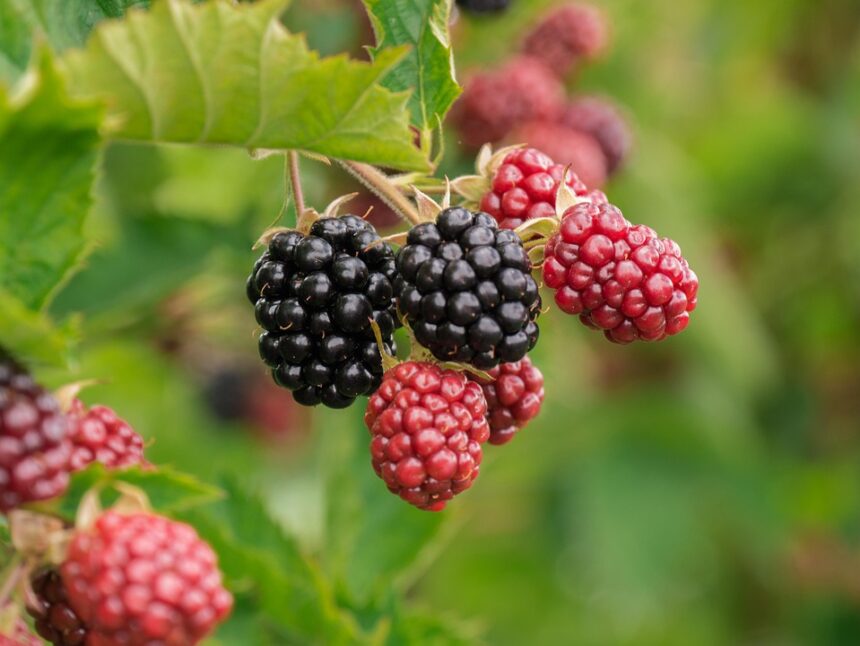
The concept of “farm to table” emphasizes the importance of sourcing fresh and seasonal ingredients to create delightful dishes that showcase culinary diversity. Understanding the seasonal availability of ingredients is integral to crafting healthy food recipes that not only satisfy taste buds but also nurture the body. This article delves into food trends, preparation methods, cooking techniques, and presentation styles that embody this culinary philosophy.


Current Food Trends
Today, consumers are increasingly gravitating towards meals that are not only nourishing but also environmentally sustainable. Locally sourced produce, organic farming practices, and foraging for wild ingredients are at the forefront of culinary trends. As people seek deeper connections with their food, the idea of seasonal cooking has gained traction, allowing individuals to celebrate the unique offerings of each season.


Ingredients and Preparation
Choosing ingredients that reflect the season is pivotal in developing flavorful dishes. In spring, vibrant greens such as asparagus, peas, and herbs burst onto the scene, while summer welcomes an abundance of tomatoes, zucchini, and stone fruits. During fall, root vegetables and squashes take center stage, leading to hearty stews and rustic bakes. Winter brings with it the richness of hearty greens and preserved items, perfect for comforting meals.


Preparation techniques vary widely based on the ingredients. For tender spring vegetables, steaming or lightly sautéing preserves their natural flavors, while robust fall vegetables benefit from roasting to enhance their sweetness.
Cooking Techniques and Methods
Employing effective cooking techniques can elevate the simplest of ingredients. In sautéing, maintaining the right oil temperature is critical; too high can scorch the food, while too low can lead to sogginess. Grilling adds a smoky flavor, ideal for summer produce like corn and peppers. Techniques such as pickling, fermenting, and curing not only extend ingredient life but also introduce new flavor profiles essential to international cuisine.
Nutritional and Meal Balance
As meal preparation grows in popularity, understanding nutritional balance becomes crucial. A well-rounded meal typically comprises lean proteins, healthy fats, whole grains, and a rainbow of vegetables. Incorporating seasonal produce not only supports ecological health but also enriches diet diversity, ensuring that meals are as nutritious as they are delicious.
Food Presentation and Serving
The presentation of a dish can significantly influence the eating experience. Techniques such as color contrast, layering, and utilizing garnishes can transform a simple meal into a visually stunning plate. Serving in small, thoughtfully arranged portions can also encourage mindful eating and appreciation for the crafted dish.
Common Cooking Mistakes
Even seasoned cooks can fall prey to common cooking mistakes. Overcrowding a pan when sautéing leads to steaming rather than browning the ingredients. Failing to taste and adjust seasoning throughout the cooking process can result in bland dishes. Furthermore, neglecting ingredient temperatures—like using cold meat in a hot pan—can affect texture and flavor.
Kitchen Tools and Modern Cooking
Modern culinary innovations have introduced various tools designed to enhance cooking efficiency. Essential kitchen tools include high-quality knives for precise chopping, heavy-bottomed pans for even heat distribution, and digital thermometers for ensuring food safety. Embracing technology, such as sous-vide machines and air fryers, allows for cooking methods that maintain flavor while optimizing health benefits.
The Future of Culinary Innovation
As food culture continues to evolve, the future of culinary innovation will likely focus even more on sustainability and health. From lab-grown meats to vertical farming, advancements will shape how we grow, prepare, and consume food. Consumers increasingly desire transparency regarding the sourcing of their meals, which will drive creative culinary expressions rooted in ethical practices.
Conclusion
Emphasizing a farm-to-table approach allows for more vibrant, seasonal, and exciting cooking experiences. By understanding current food trends, selecting the freshest ingredients, and applying effective cooking techniques, home cooks and professional chefs alike can create delicious, healthy meals that celebrate the beauty of nature and culinary craftsmanship. Embracing these practices not only enhances personal health but also supports a flourishing food culture.