



Introduction
As the culinary landscape evolves, the Rainbow Diet has emerged as a vibrant approach to healthy eating. This colorful diet focuses on consuming fruits and vegetables in every color of the rainbow, each offering unique nutrients and health benefits. The following article examines how you can incorporate this concept into your meal preparation, ensuring you enjoy a variety of flavors while enhancing your overall nutritional balance.


Current Food Trends
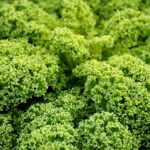
The rise of plant-based diets and increasing awareness of food’s impact on health has brought a renewed interest in incorporating more colorful foods into our meals. Professional chefs and home cooks alike are embracing the Rainbow Diet, using bold and bright ingredients to create stunning plates that are as nutritious as they are delicious. The trend encourages creativity, which promotes dietary diversity, helping to fight monotony often found in conventional meal planning.


Ingredients and Preparation
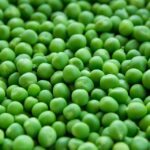
To create visually appealing dishes, focus on incorporating a variety of fruits and vegetables in a spectrum of colors. Consider options such as red bell peppers, carrots, spinach, blueberries, and eggplant. Seasonal ingredients can enhance the freshness of your meals. For example, spring might bring asparagus and radishes, while autumn offers sweet potatoes and kale. When selecting ingredients, prefer local and organic options when available, as they often contain higher nutrient levels.


Cooking Techniques and Methods
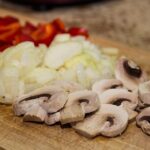
Utilizing diverse cooking techniques will help enhance the flavors and textures of your colorful ingredients. Steaming retains nutrients while preserving vibrant colors, whereas roasting can bring out natural sweetness in vegetables like beets and carrots. Grilling adds a smoky depth, perfect for bell peppers and zucchini. For fruits, consider making a compote or reducing them into sauces to amplify their flavors in desserts or savory dishes.
Nutritional and Meal Balance
Striving for a colorful plate not only makes meals visually appealing but also ensures nutritional balance. Each color typically represents different vitamins and minerals: green foods may contain chlorophyll and antioxidants, while orange and yellow foods provide carotenoids. Aim to balance complex carbohydrates, healthy fats, and high-quality protein in each meal, which may include whole grains, legumes, and lean meats or plant-based proteins.
Food Presentation and Serving
Presentation transforms a meal into an experience. Layering ingredients thoughtfully, using contrasting colors, and garnishing with herbs can elevate your dish’s aesthetic. Consider serving salads in clear bowls to showcase the colorful layers or plating entrees with a colorful puree for artistic flair. Bright plates or contrasting tableware can also enhance visual appeal, providing a perfect backdrop for your rainbow-inspired masterpieces.
Common Cooking Mistakes
One common mistake is overlooking ingredient freshness; stale or overripe produce can dull a dish’s flavor and colors. Another pitfall is overcooking vegetables, which can lead to loss of nutrients and unsightly browning. Aim to cook vegetables until just tender; they should retain a vibrant hue and crisp texture. Finally, neglecting seasoning can result in bland meals; utilize herbs and spices to enhance natural flavors.
Kitchen Tools and Modern Cooking
Having the right kitchen tools makes the creation of colorful plates more manageable. Sharp knives, cutting boards, and a variety of cooking pots and pans will significantly ease your food prep. Investing in a mandoline slicer helps achieve uniform cuts, enhancing both texture and presentation. Modern tools like food processors and blenders can streamline tasks, especially when preparing sauces or purees.
Future of Culinary Innovation
The future of culinary innovation lies in the integration of technology and sustainability in food preparation. As chefs and home cooks seek to create unique experiences, the fusion of traditional and international cuisines with modern techniques will continue to thrive. Expect to see more plant-based options and sustainable ingredients featured prominently on menus, driving the movement towards healthy, balanced meals.
Conclusion
The Rainbow Diet offers a dynamic way to explore food, encouraging the consumption of a variety of colorful ingredients while ensuring nutritional balance. By applying practical cooking techniques, focusing on ingredient selection, and mastering presentation, meals can become a celebration of flavors and colors. Embrace this culinary trend and enjoy the multitude of benefits that come from creating delicious and nutritious colorful plates.