


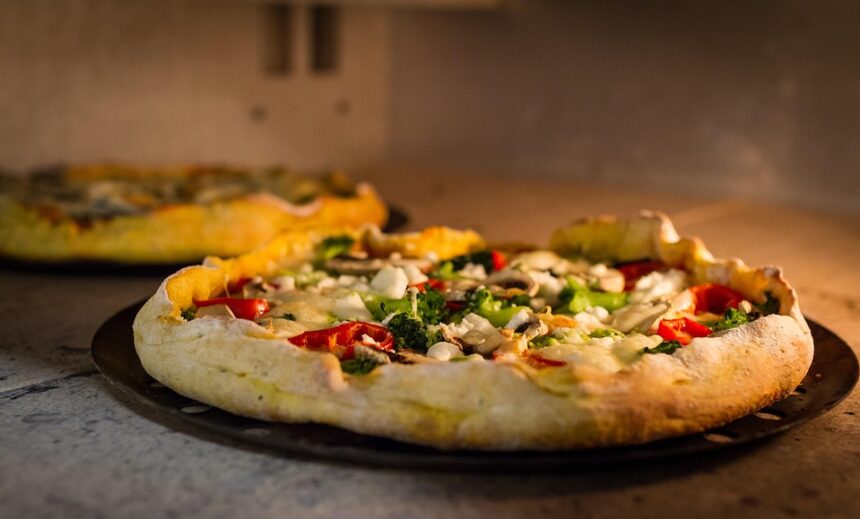
As the culinary world evolves, so do our perceptions of what constitutes nutritious food. While kale has long been revered as a superfood, numerous other nutrient-dense options are capturing the attention of chefs and home cooks alike. This article delves into these alternatives, detailing practical cooking insights, food trends, and meal preparation tips to maximize nutrient intake and explore the vibrant tapestry of global cuisine.
Current Food Trends


Current trends highlight the shift toward whole, minimally processed foods that not only provide health benefits but also elevate dining experiences. Ingredients like quinoa, farro, and various types of beans are becoming staples in both home and restaurant kitchens, reflecting the growing interest in plant-based diets and sustainable eating practices.


Ingredients and Preparation
When considering nutrient-rich foods, ancient grains such as quinoa and amaranth cannot be overlooked. These grains are not only packed with protein and fiber but also bring a unique texture to dishes. Their preparation is straightforward; typically, they require rinsing followed by simmering in water or broth. Additionally, incorporating legumes, such as lentils and chickpeas, adds both protein and hearty flavor. They can be cooked simply with aromatic vegetables and spices to create flavorful stews or salads.
Incorporating colorful vegetables such as red bell peppers, carrots, and sweet potatoes not only enhances visually appealing dishes but also increases intake of vitamins and antioxidants. When choosing ingredients, seasonal produce should always be preferred, as they tend to be fresher and have better flavor profiles. Local markets are excellent sources for finding vibrant seasonal ingredients.


Cooking Techniques and Methods
Different cooking techniques can enhance the nutritional value of ingredients. Steaming vegetables preserves more vitamins compared to boiling, while roasting can intensify flavors and caramelize natural sugars, making vegetables more palatable. For grains, toasting them slightly before cooking can add depth to their flavor. Slow cooking legumes helps to maintain their integrity and balance the spices, resulting in a more cohesive dish.
Nutritional and Meal Balance
A well-balanced meal typically includes a variety of food groups. By creating dishes that incorporate whole grains, proteins, healthy fats (like avocado or nuts), and a rainbow of vegetables, you can ensure a meal that meets nutritional needs. For example, a quinoa bowl topped with roasted vegetables, a poached egg, and a drizzle of tahini provides a balanced ratio of macronutrients and vitamins.
Food Presentation and Serving
Food presentation plays a critical role in elevating the dining experience. Colorful ingredients can be arranged artfully on plates, utilizing height and symmetry for visual appeal. Garnishes such as fresh herbs or edible flowers not only enhance the aesthetic but can also contribute additional nutrients. Serving in layered dishes adds depth to flavor and texture while keeping the meal visually interesting.
Common Cooking Mistakes
Several common cooking mistakes can diminish the nutritional quality of meals. Overcooking vegetables can lead to a significant loss of vitamins, while neglecting seasoning can result in bland dishes, potentially leading to maneuvering toward less healthy options. Understanding how to balance flavors with herbs, spices, and proper cooking times is key to maintaining excitement in healthy cooking.
Kitchen Tools and Modern Cooking
Essential kitchen tools can simplify healthy meal preparation. High-quality knives for chopping, a sturdy cutting board, and non-stick pans are necessary for optimal cooking conditions. Moreover, gadgets such as spiralizers or air fryers can expand creative cooking possibilities and reduce the need for excess fats during preparation.
Future of Culinary Innovation
Looking ahead, culinary innovation is likely to revolve around sustainability and health-conscious consumer demands. Ingredients that are nutrient-dense and sustainably sourced will continue to shape menus in restaurants and homes alike. Additionally, the rise of alternative proteins, such as plant-based and lab-grown options, will expand the scope for culinary creativity while catering to a health-focused audience.
Conclusion
In the vibrant world of food, moving beyond staples like kale provides an opportunity to explore a wealth of nutrient-rich ingredients. Embracing diverse cooking techniques, seasonal produce, and innovative presentation can elevate everyday meals. By focusing on culinary trends that promote health and sustainability, we can create delicious, balanced dishes that nourish both our bodies and our culinary culture.