


In an age where culinary trends rapidly evolve, the significance of healthy eating remains a constant. As our understanding of nutrition deepens, so does our appreciation for the vibrant food culture that surrounds us. This article navigates the realms of food recipes, cooking techniques, and meal preparation, offering practical insights into creating a balanced diet that celebrates both traditional and modern cuisine.
Current Food Trends


Today’s culinary landscape is defined by a focus on natural ingredients, plant-based diets, and ethnic flavors. Restaurants and home cooks alike are embracing the farm-to-table philosophy, stressing the importance of seasonal ingredients in crafting healthful meals. From fermentation to globally inspired sauces, these culinary trends reflect a shift towards a more conscious approach to eating, encouraging an exploration of international cuisine.

Ingredients and Preparation
Ingredient selection is paramount when it comes to meal preparation. Prioritizing fresh, whole foods over processed alternatives can significantly enhance nutritional value. For instance, opting for whole grains like quinoa or brown rice instead of white rice boosts fiber intake. Seasonal fruits and vegetables not only taste better but also offer maximum nutritional benefits.
Preparation methods affect both flavor and healthfulness. Simple techniques such as steaming or roasting can elevate the taste of vegetables without the need for excessive fats or salts. Additionally, incorporating herbs and spices can enhance flavor profiles while providing health benefits such as anti-inflammatory properties.


Cooking Techniques and Methods
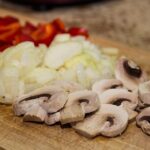
Understanding various cooking techniques is essential for creating balanced meals. Techniques like grilling, baking, and sautéing can accentuate the natural flavors of ingredients. For instance, grilling vegetables brings out their sweetness while retaining nutrients. Additionally, mastering basic skills such as knife techniques and food storage can lead to less waste and more delightful culinary outcomes.
Nutritional and Meal Balance
Striving for nutritional balance involves combining macronutrients—carbohydrates, proteins, and fats—in each meal. A typical well-rounded plate might include a protein source like grilled chicken, a complex carbohydrate such as brown rice, and a variety of colorful vegetables. This approach not only fosters satiety but also ensures a diverse intake of vitamins and minerals.
Food Presentation and Serving
Aesthetic appeal plays a vital role in enhancing the dining experience. Restaurant-style food presentation emphasizes colorful plating, careful arrangement, and thoughtful garnishing. Techniques such as saucing the plate or stacking ingredients can make even the simplest meals look gourmet. Employing these methods can transform everyday meals into a feast for the senses.
Common Cooking Mistakes
In the journey to culinary excellence, common pitfalls can hinder the experience. Overseasoning dishes or neglecting to taste food during preparation can lead to flavorless outcomes. Additionally, rushing the cooking process often results in loss of texture and nutritional value. Taking the time to understand ingredient compatibility and flavor melding lays the groundwork for success in the kitchen.
Kitchen Tools and Modern Cooking
Equipping the kitchen with essential tools simplifies meal preparation and encourages experimentation. Items such as high-quality chef’s knives, versatile cutting boards, and non-stick pans can make cooking more enjoyable and efficient. Furthermore, technology such as air fryers and sous vide equipment can facilitate healthier cooking methods while maintaining flavor.
Future of Culinary Innovation
Looking ahead, the culinary world is bound to witness further innovations influenced by sustainability and health-conscious choices. Ingredients derived from algae or lab-grown proteins may become commonplace, revolutionizing how we think about food sources. As consumer awareness about food culture evolves, so too will cooking techniques and ingredient trends, fostering a more inclusive and health-oriented food environment.
Conclusion
Adopting a healthier diet is not merely a trend; it’s a lifestyle choice accessible to anyone motivated to enhance their culinary skills. By focusing on fresh ingredients, mastering cooking techniques, and understanding the principles of meal balance and presentation, individuals can enjoy a rewarding and nutritious approach to eating. The journey of cooking is as satisfying as the food itself, filled with opportunities to learn, create, and savor every bite.