


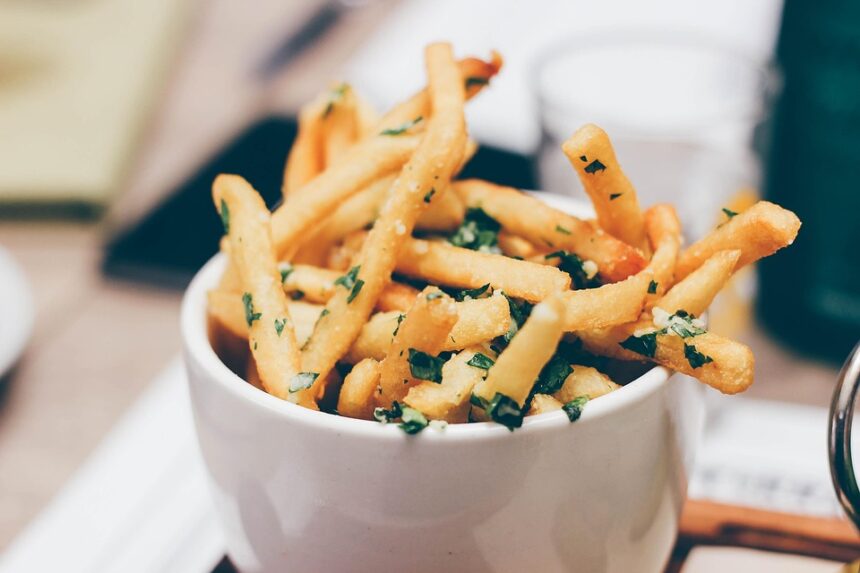
In today’s fast-paced world, many home cooks seek ways to create gourmet meals without the need for extensive training or top-tier culinary equipment. This article explores how to elevate your dinner through simple recipes, cooking techniques, and ingredient selection to deliver a restaurant-style dining experience at home.
Current Food Trends


As the culinary landscape evolves, we see a growing emphasis on sustainable practices, international flavors, and healthy eating. Today’s cooks are increasingly drawn to using seasonal ingredients, exploring various international cuisines, and developing nutritional meals that cater to diverse dietary needs. These trends are not only shaping what we eat but also how we approach meal preparation in our kitchens.

Ingredients and Preparation
Ingredient selection is paramount in creating delectable dishes. Consider adopting the practice of sourcing seasonal ingredients. For example, spring vegetables like asparagus and peas provide freshness, while root vegetables such as carrots and potatoes shine in the winter months.
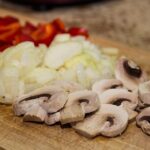
When it comes to preparing your ingredients, ensure they are prepped correctly. For leafy greens, removing the tough stems and washing thoroughly helps prevent bitterness and enhances texture. Marinating proteins not only enriches flavor but can also improve tenderness. A simple marinade might include olive oil, garlic, and herbs, which are staples in many international cuisines.


Cooking Techniques and Methods
Mastering fundamental cooking techniques is crucial for any home cook aiming to replicate restaurant-style recipes. Techniques like sous-vide, a method of vacuum-sealing food and cooking it in a water bath, help achieve perfectly cooked proteins. On the other hand, pan-searing adds a beautiful crust to meats and vegetables, creating complex flavors through the Maillard reaction.
Don’t overlook the artistry of baking; from artisan bread to decadent desserts, baking offers numerous opportunities for gourmet expression. Experimenting with sourdough or pastries can yield delicious results and allow for exploration of various culinary traditions.
Nutritional and Meal Balance
Healthy food doesn’t have to be bland. Integrating a variety of colors on your plate often indicates a broader spectrum of nutrients. Aim for a balance by including proteins, whole grains, and a rainbow of vegetables. For instance, a quinoa salad topped with grilled chicken, roasted beetroot, and avocado incorporates healthy fats, lean protein, and a range of vitamins and minerals.
Moreover, being mindful of portion sizes and meal composition can promote nutritional balance without sacrificing enjoyment.
Food Presentation and Serving
The way a dish is presented can greatly influence the dining experience. Invest time in plating; use contrasting colors and textures to create visual appeal. Employing simple garnishes, like a sprinkle of microgreens or a drizzle of balsamic reduction, can elevate even the most straightforward dishes. Remember, we eat with our eyes first, making food culture an integral part of any meal.
Common Cooking Mistakes
Even experienced cooks can fall into traps that diminish their culinary creations. One common mistake is overcrowding the pan, which can lead to steaming instead of searing. Additionally, underestimating the importance of seasoning can result in bland dishes. Simple adjustments, like tasting and adjusting seasoning throughout the cooking process, play a pivotal role in developing flavor.
Kitchen Tools and Modern Cooking
Investing in quality kitchen tools can enhance your cooking experience. A sharp chef’s knife, reliable cutting board, and sturdy cookware are essential for efficient meal preparation. Moreover, modern gadgets like immersion blenders or air fryers offer versatile cooking options that can help simplify complex techniques and promote healthy eating.
Future of Culinary Innovation
The future of culinary innovation lies in a fusion of technology and tradition. As we experiment with molecular gastronomy or plant-based alternatives, the culinary world continues to evolve. Emerging trends suggest a further interest in hyper-local ingredients and a return to ancient cooking methods, ensuring that food remains both rooted in culture and adaptable to contemporary tastes.
Conclusion
Gourmet cooking at home is not just reserved for special occasions or the trained chef. By focusing on simple recipes, understanding the importance of ingredient selection, and employing effective cooking techniques, anyone can create flavorful, healthy meals that resonate with current culinary trends. Embrace the journey of learning and exploring international cuisines, and watch your cooking skills flourish.