


Introduction
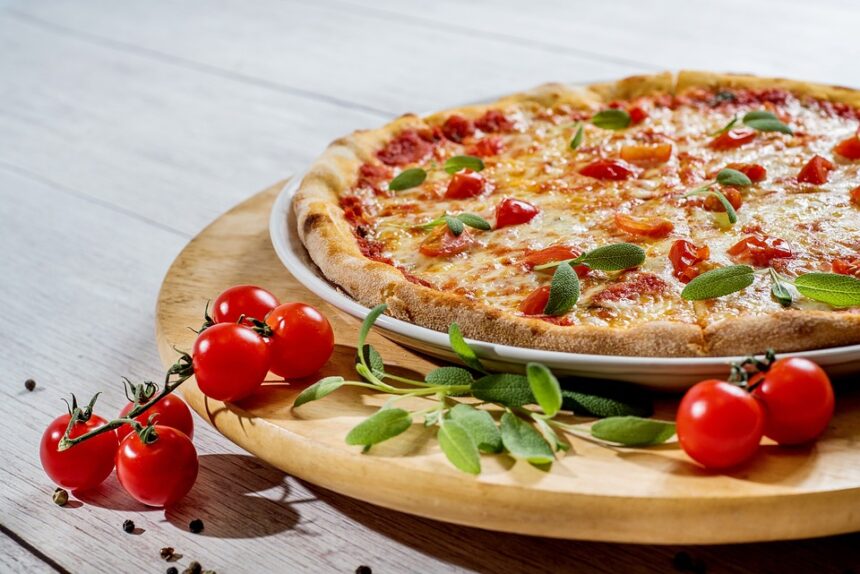
The culinary world has shifted dramatically towards healthier eating habits. Whether you’re a novice in the kitchen or a seasoned chef, this article strives to provide you with nourishing recipes that are both satisfying and filled with flavor. From traditional methods to modern culinary trends, we will explore food recipes that emphasize healthy ingredients, cooking techniques, and meal preparation strategies.


Current Food Trends
Today, consumers are increasingly aware of nutritional values and are seeking wholesome options. Current culinary trends highlight plant-based diets, sustainable sourcing of ingredients, and a focus on local produce. Street food culture has also evolved, bringing gourmet twists to healthy options, which makes nutritious meals more accessible.


Ingredients and Preparation
Successful meal preparation begins with ingredient selection. Focus on seasonal ingredients to ensure freshness and flavor. Incorporate whole grains like quinoa or brown rice, lean proteins such as fish and chicken, and a plethora of vegetables for color and crunch. Spices and herbs can elevate dishes, adding not only flavor but also nutritional benefits.


Cooking Techniques and Methods
Embracing various cooking techniques can enhance both the healthiness and taste of your meals. Techniques such as steaming, grilling, and roasting preserve nutrients while adding depth of flavor. For instance, roasting vegetables caramelizes their natural sugars, making them more palatable while retaining their nutritional integrity.
Nutritional and Meal Balance
Creating a nutritionally balanced meal is crucial for overall health. Aim to fill your plate with a variety of food groups: half your plate should consist of vegetables and fruits, while the other half can include proteins and whole grains. This balance helps to provide essential vitamins and minerals while maintaining a healthy caloric intake.
Food Presentation and Serving
The presentation of food can significantly affect the dining experience. Utilizing vibrant colors and varied textures can make a meal visually appealing. Simple garnishes such as fresh herbs or a drizzle of olive oil can elevate even the most straightforward dishes, making them resemble restaurant-style recipes.
Common Cooking Mistakes
Even experienced cooks can make errors that compromise the quality of their dishes. One common mistake is overcooking vegetables, which can lead to nutrient loss and a less appealing texture. Additionally, neglecting to season each layer of your dish can result in bland flavors. Remember to taste and adjust throughout the cooking process.
Kitchen Tools and Modern Cooking
Modern cooking has seen the rise of various kitchen tools that facilitate easier meal preparation. From high-quality knives to immersion blenders, these tools can simplify healthy cooking. Investing in a good set of cookware, including non-stick pans, can help achieve optimal results with less oil, making it easier to create nutritious meals.
Future of Culinary Innovation
The future of culinary innovation lies in sustainability and technology. As chefs adopt cleaner cooking methods and embrace ethical sourcing, the focus on health will continue to grow. Plant-based innovations, lab-grown proteins, and sustainable seafood will become staples, paving the way for a new era of healthy eating.
Conclusion
Incorporating healthy and hearty recipes into your cooking repertoire can transform your dining experience. Understanding ingredient selection, mastering cooking techniques, and focusing on nutritional balance are pivotal in creating meals that are both delicious and nourishing. As trends continue to evolve, staying informed and adaptable will ensure that your culinary skills thrive.