


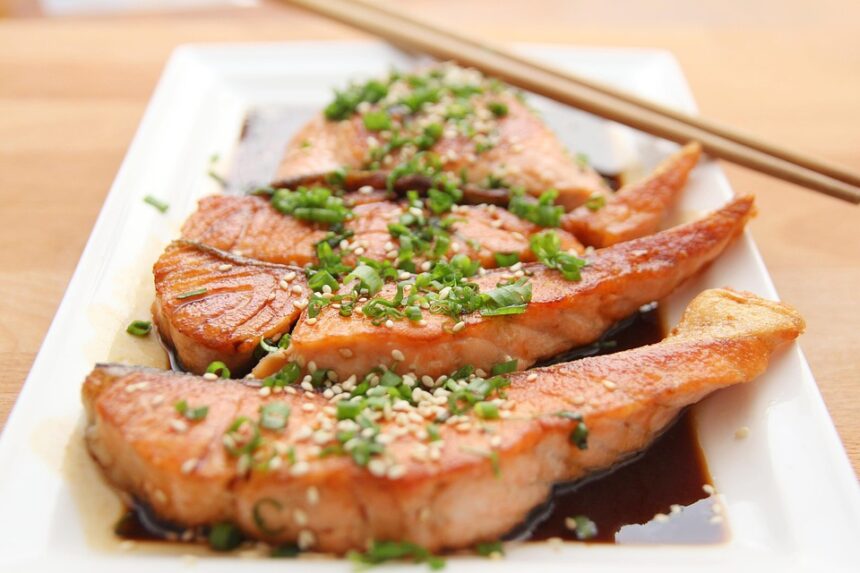
The culinary world is a dynamic tapestry woven from tradition and innovation. As we navigate contemporary food trends, we find a convergence of global flavors, traditional cooking techniques, and a growing emphasis on health and sustainability. This article delves into the current culinary landscape, examining essential elements such as ingredients, cooking methods, and the cultural significance of food.
Current Food Trends


Today’s food trends reflect a broader cultural shift towards sustainability and health awareness. Plant-based diets have surged in popularity, paralleling an increasing demand for locally sourced ingredients. Additionally, the rise of convenience cuisine, including meal kits, caters to our fast-paced lives without compromising nutritional values. People are more informed about food origins, leading to a renaissance in traditional cooking methods and an appreciation for international cuisine.


Ingredients and Preparation
Ingredient selection is pivotal in creating vibrant, flavorful meals that celebrate culinary diversity. Seasonal ingredients not only ensure freshness but also reduce environmental impact. When preparing dishes, it is crucial to understand the flavor profiles and textures of ingredients. For example, fresh herbs can elevate a dish significantly, while dried spices define its warmth and depth. Knowing how to pair ingredients properly is key—like balancing sweet and savory in a dish, such as a fig and prosciutto salad.
Cooking Techniques and Methods


Mastering cooking techniques can transform the ordinary into the extraordinary. Techniques like sous-vide, braising, and fermentation are gaining traction for their ability to enhance flavors and textures. Sous-vide cooking, for instance, allows for precise temperature control, preserving the integrity of delicate proteins. Meanwhile, traditional methods such as slow cooking remain favorites for their ability to develop complex flavors over time.
Nutritional and Meal Balance
Nutritional balance is more than a fleeting trend; it’s a fundamental aspect of meal preparation. A well-rounded plate should feature a variety of colors and textures, representing different food groups. Incorporating whole grains, lean proteins, and an array of vegetables can foster a more healthful diet. Awareness of macronutrients is essential, whether for muscle recovery or energy sustenance, making it vital to tailor meals to individual dietary needs.
Food Presentation and Serving
The art of food presentation cannot be understated in the culinary world, especially in restaurant-style cooking. Visual appeal plays a significant role in the dining experience. Techniques such as layering, using contrasting colors, and garnish can elevate a simple dish to a work of art. Plating allows chefs to express creativity while also enhancing the overall enjoyment of the meal.
Common Cooking Mistakes
Even seasoned cooks can fall prey to common cooking mistakes that can compromise a dish. Overseasoning, neglecting to taste as you go, and mismanaging cooking temperatures can lead to subpar results. Understanding your ingredients and their properties is essential; for instance, salt can intensify flavors, but too much can overwhelm a dish. Learning to balance flavors is a crucial kitchen tip that can enhance any recipe.
Kitchen Tools and Modern Cooking
The right kitchen tools can significantly affect the cooking process. From high-quality knives to non-stick pans, the tools you choose should suit your cooking style. For instance, investing in a quality cast-iron skillet can help achieve perfect sears and retain heat, making it versatile for various dishes. As technology continues to evolve, smart kitchen gadgets are becoming prevalent, making preparation more efficient without sacrificing culinary integrity.
Future of Culinary Innovation
The future of culinary innovation promises further exploration of food science and technology. Techniques like molecular gastronomy are reshaping how we perceive food, while advancements in sustainable farming methods continue to inform ingredient sourcing. As our understanding of nutrition deepens, we can expect a more holistic approach to culinary practices that emphasize healthy food without sacrificing taste.
Conclusion
The world of food is ever-evolving, driven by cultural influences, innovation, and a heightened awareness of health and environment. By embracing new culinary trends, honing cooking techniques, and appreciating the cultural significance of food, we can cultivate a more enriching culinary experience. As we look ahead, the commitment to balanced meals, sustainable practices, and creative expression remains at the heart of our global food culture.