


Introduction
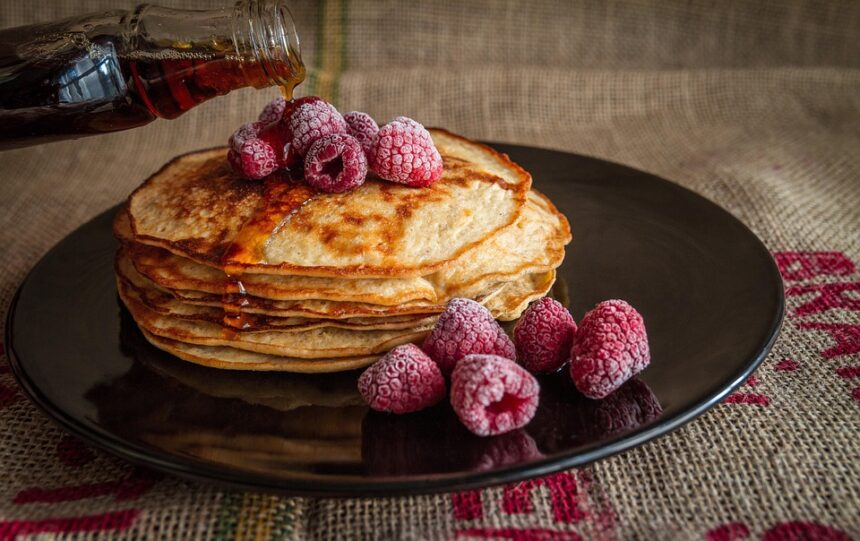
Decadent desserts play an essential role in food culture, offering not just a sweet conclusion to meals but also an expression of culinary artistry. From artisanal pastries to street food-inspired treats, these confections bridge traditional techniques with innovative flavors. This article delves into current trends in dessert-making, exploring recipes, cooking methods, and the ingredients that make these sweet treats irresistible.
Current Food Trends
The modern dessert landscape emphasizes authenticity and bold flavors. Ingredients like matcha, salted caramel, and exotic spices are finding their way into classic recipes, breathing new life and creativity into traditional sweets. Dessert bars have also gained popularity, allowing chefs to experiment with flavors while providing a casual and shareable dining experience. As sustainability becomes pivotal, many chefs are sourcing seasonal and organic ingredients, aligning with the broader culinary trend of mindful eating.
Ingredients and Preparation
Selecting high-quality ingredients is paramount when creating decadent desserts. Sources of natural sweetness like coconut sugar or honey can offer unique flavors while keeping the dishes relatively healthy. Additionally, the use of seasonal fruits enhances both taste and nutritional value, providing vibrant colors and textures.
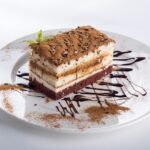
In terms of preparation, many indulgent desserts like mousses and tarts rely on precise measurements and techniques. For instance, understanding how to properly temper chocolate can elevate a dish from ordinary to extraordinary. By mastering the preparation methods, such as whipping, folding, and baking, home cooks can confidently explore various recipes.
Cooking Techniques and Methods
Baking remains central to many dessert recipes, but modern cooking techniques have diversified. Sous-vide cooking, for example, offers precise temperature control, ideal for custards and delicate textures. Similarly, molecular gastronomy has made its mark with techniques like spherification, turning fruit juices into caviar-like beads that add intrigue to any dessert plate.
Classically, desserts require techniques like creaming, where butter and sugar are whipped together to incorporate air and achieve a light texture. Understanding these foundational techniques not only enhances flavor but also improves the overall presentation.
Nutritional and Meal Balance
While indulgence is key in dessert-making, balance is important, too. Incorporating healthier elements—such as nuts or dark chocolate—can enhance nutritional content. Using fruits rich in fiber can also mitigate the sweetness of other ingredients. When crafting dessert recipes, aim for a balance between sweet, savory, and tart components to provide a more rounded flavor profile.
Moreover, portion control is essential for maintaining a healthy diet while enjoying decadent treats. Smaller servings allow for indulgence without overloading on calories, striking a balance between pleasure and health.
Food Presentation and Serving
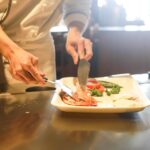
In a world where aesthetics matter, dessert presentation can elevate a dish significantly. Utilizing fresh herbs, edible flowers, or a dusting of powdered sugar adds a professional touch. Plates should be clean and simple to ensure that the dessert takes center stage. Layering desserts in glasses can create an appealing visual while showcasing the various textures and colors within the dish.
Additionally, garnishing with seasonal fruits or compotes not only enhances the visual appeal but also complements the flavors, adding freshness and brightness to decadent desserts.
Common Cooking Mistakes
Home bakers often face pitfalls, such as overmixing batter or misjudging baking times. Overmixing can lead to dense textures rather than airy, fluffy desserts. It’s essential to combine ingredients just until incorporated for optimal outcomes.
Another common mistake is improper ingredient measurement. Baking requires precision, and inconsistencies can lead to uneven results. Always use a kitchen scale for dry ingredients and measure liquids with appropriate measuring cups for accuracy.
Kitchen Tools and Modern Cooking
Having the right tools simplifies the dessert-making process. Essential items include a stand mixer for creaming and whipping, silicone spatulas for folding, and precise measuring tools. More specialized tools, like silicone molds or blowtorches, can be advantageous for creating intricate desserts and achieving that restaurant-quality finish at home.
Moreover, exploring innovative kitchen gadgets like an immersion blender or an air fryer can diversify approaches to dessert creation. These tools help streamline cooking methods while maintaining the integrity of traditional recipes.
Future of Culinary Innovation
The future of decadent desserts is expected to focus on sustainability and health without compromising on flavor. Innovations like plant-based dessserts are gaining traction, emphasizing textures and flavors that mimic traditional sweets without animal products. The cultivation of new flavor profiles and alternative sweeteners continues, appealing to a broader audience while paving the way for creative exploration.
Conclusion
Decadent desserts encapsulate the joy of culinary expression, merging tradition with innovation. By understanding ingredients, mastering cooking techniques, and prioritizing presentation, anyone can create restaurant-style recipes at home. Balancing these indulgent treats with nutritional awareness is key, making it possible to relish in sweet pleasures while maintaining a healthy lifestyle. As culinary trends evolve, the future of desserts promises to be as fascinating as it is delicious.