


In today’s fast-paced world, meal preparation has become an essential strategy for maintaining a balanced diet while accommodating busy lifestyles. The art of meal prep transcends mere convenience, blending culinary creativity with nutritional responsibility. This article explores food recipes, cooking techniques, and kitchen tips that simplify meal planning, making healthy eating an attainable goal.
Current Food Trends


Recent culinary trends emphasize plant-based ingredients, globally inspired flavors, and the use of local, seasonal produce. As people become more aware of sustainable eating habits, meal prep is adapting to incorporate these themes, making it easier for home cooks to embrace international cuisine while focusing on health. Ingredients such as quinoa, chickpeas, and a spectrum of colorful vegetables now feature prominently in meal-prep recipes.
Ingredients and Preparation
Selection of quality ingredients is the foundation of effective meal preparation. Fresh, seasonal produce not only enhances flavor but also boosts nutritional value. When shopping, opt for local markets to procure fresh fruits and vegetables. Additionally, consider including proteins like lean chicken, tofu, or legumes for balanced meals.
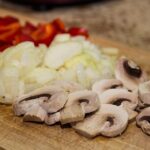
Marinating proteins and chopping vegetables ahead of time can significantly reduce cooking time during the week. Consider preparing staples such as grains (brown rice, farro) in bulk, as they can serve as a versatile base for various dishes throughout the week.
Cooking Techniques and Methods
Understanding various cooking techniques can greatly enhance your meal prep efficiency. Techniques such as roasting, grilling, and sautéing help bring out the natural flavors of ingredients. For instance, roasting vegetables caramelizes their natural sugars, adding depth to meals without extra calories.
Batch cooking is a popular method that involves preparing large quantities of a dish to be portioned out for the week. Soups, stews, and casseroles lend themselves well to this technique, offering ease of reheating and serving.
Nutritional and Meal Balance
Striking the right balance among carbohydrates, proteins, and healthy fats is key to meal preparation. Meals should aim for colorful presentations, representing a variety of nutrients. For example, combining whole grains with lean proteins and a rainbow of vegetables can create a visually appealing and nutritionally balanced meal.
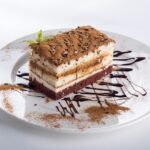
Incorporating healthy fats, like avocados or olive oil, can enhance the absorption of fat-soluble vitamins. For dessert, consider healthy options such as chia pudding or fruit-based snacks, providing a sweet finish without compromising nutrition.
Food Presentation and Serving
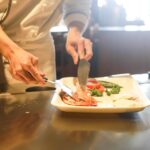
Even when it comes to meal prep, presentation matters. Utilizing clear, stackable containers can help keep meals organized while allowing for easy viewing of options. Layering ingredients in jars, such as salads, not only looks appealing but also helps keep the freshness intact.
To elevate the dining experience, consider garnishing dishes with fresh herbs or a sprinkle of seeds. This final touch enhances both flavor and visual appeal, transforming simple meals into restaurant-style recipes.
Common Cooking Mistakes
One common pitfall in meal preparation is failing to season adequately. For complex flavors, it’s important to adjust seasonings throughout the cooking process rather than only at the end. Additionally, overcooking can lead to dull textures and flavors, particularly in vegetables. Aim for crisp-tender textures to maintain nutritional content and taste.
Kitchen Tools and Modern Cooking
Investing in the right kitchen tools can streamline the meal prep process. Sharp knives, cutting boards, and high-quality storage containers are essential. Multi-functional appliances, like slow cookers or instant pots, offer versatility in cooking times and methods, allowing for more diverse meals.
Additionally, subscribing to meal prep services or following culinary influencers can provide fresh ideas and simplify the process, making it easier to embrace new trends.
Future of Culinary Innovation
As the meal prep culture evolves, we can expect innovations in cooking technology such as smart kitchen appliances that streamline meal preparation. These tools might include apps that automatically suggest recipes based on available ingredients or smart ovens that adapt cooking times and temperatures based on the recipe input.
The increasing importance of sustainability and ethical sourcing in food culture will likely influence meal preparation trends, emphasizing recipes and ingredients that are environmentally friendly.
Conclusion
The art of meal prep is a fusion of tradition and modern culinary practices, allowing home cooks to explore international cuisine while adhering to healthy eating standards. By mastering cooking techniques, selecting quality ingredients, and appreciating food presentation, meal preparation transforms from a chore into a culinary adventure. Engage in this vibrant journey, and simplify your week with thoughtfully prepared, nutritious meals.