


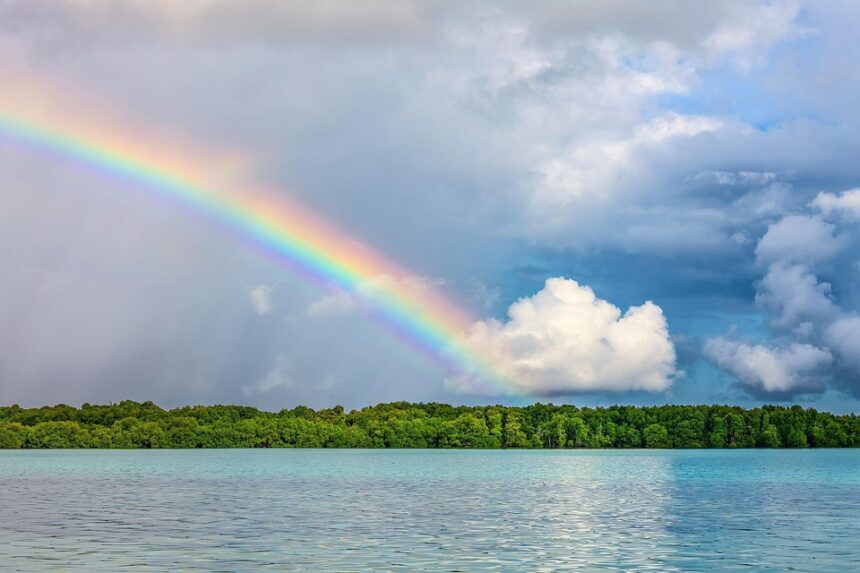
Nature exploration serves as a fundamental gateway to understanding the intricate tapestry of life on Earth. From towering forests and majestic mountains to flowing rivers and expansive oceans, our natural landscapes house a wealth of biodiversity that is both functional and beautiful. In the face of climate change and increasing human activity, an in-depth analysis of these ecosystems is vital for promoting environmental awareness and wildlife conservation.
Current Nature and Environmental Trends



The trends in nature exploration have shifted markedly in recent years. Nature enthusiasts are increasingly seeking authentic outdoor experiences, emphasizing the importance of natural ecosystems. Eco-tourism has emerged as a sustainable practice, allowing visitors to immerse themselves in untouched environments while promoting conservation efforts. Meanwhile, advancements in technology enable better understanding and appreciation of remote natural areas through nature photography and virtual access to biodiversity hotspots.


Ecosystems and Biodiversity
Biodiversity is the cornerstone of healthy ecosystems. Each species, from the smallest microorganisms to the largest mammals, plays a crucial role in maintaining ecological balance. The interconnectedness of species illustrates the complexity of natural ecosystems. Forests, for instance, are not only vital carbon sinks but also provide habitats for millions of species, contributing to their overall health and resilience.
Wildlife and Natural Habitats


Wildlife conservation efforts are increasingly focused on preserving habitats that support diverse animal populations. These natural habitats are under threat from urban development, agricultural expansion, and climate change. Protected areas, including national parks, serve as sanctuaries for wildlife, highlighting the importance of habitat preservation in mitigating the impacts of human activities.
Climate and Environmental Challenges
Climate change poses one of the most significant challenges to ecosystems globally. Rising temperatures, shifting weather patterns, and increasing frequency of extreme weather events disrupt natural habitats and threaten biodiversity. Analyzing these changes is crucial for formulating effective adaptation strategies that can help both wildlife and human communities cope with environmental fluctuations.
Conservation and Sustainability
Conservation strategies must emphasize sustainable living that balances ecological health with human needs. Initiatives such as reforestation, sustainable land management, and community-based conservation are gaining traction. Incorporating local knowledge into these efforts fosters ecological resilience, ensuring that initiatives are effective and culturally relevant.
Human Interaction with Nature
Understanding the dynamics between humans and nature is essential for fostering a long-term coexistence. Outdoor nature activities not only provide recreation but also deepen appreciation for the environment. Engaging in respectful exploration allows individuals to witness the beauty of wildlife while understanding their role in conservation efforts.
Common Environmental Mistakes
Despite good intentions, there are common mistakes made in environmental advocacy and personal practice. A prevalent misconception is that small individual actions do not contribute significantly to larger environmental goals. In reality, collective efforts can drive meaningful change, particularly in wildlife conservation and sustainable living. It is important to recognize the cumulative impact of informed choices.
Future of Nature Conservation
The future of nature conservation hinges on our ability to adapt to rapid environmental changes while fostering biodiversity. Integrating science with community involvement will be crucial. Efforts must focus on educating future generations about the importance of natural ecosystems, ensuring stewardship of the planet for years to come.
Conclusion
Exploring nature unveils rich treasures in the form of diverse ecosystems, wildlife, and breathtaking landscapes. It also brings to light the critical challenges posed by climate change and human impact. By enhancing environmental awareness and promoting wildlife conservation, we can take significant strides toward sustainable living. Collectively, our exploration into the wild opens pathways to a deeper understanding of our relationship with nature, fostering a future where both humanity and the environment can thrive.