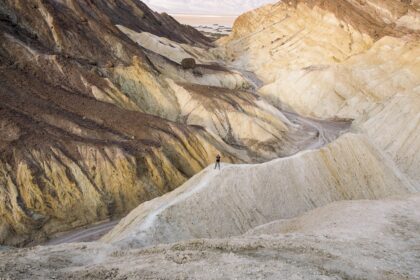



In an age where human activity profoundly reshapes the environment, understanding the interconnectedness of ecosystems has never been more critical. This article delves into the intricate web of interactions within the natural world, highlighting key aspects such as wildlife conservation, biodiversity, and sustainable living.
Current Nature and Environmental Trends

Recent trends indicate a growing awareness of the urgent need for environmental conservation. Reports highlight diminishing biodiversity and degradation of natural ecosystems due to urbanization, climate change, and pollution. In response, various organizations are fostering environmental awareness through educational initiatives and awareness campaigns aimed at preserving natural habitats.
Ecosystems and Biodiversity
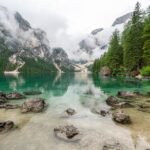
Biodiversity is essential for resilient ecosystems. Each species, whether flora or fauna, plays a specific role, contributing to ecosystem services such as pollination, nutrient cycling, and water purification. The Amazon rainforest, for example, houses millions of species that not only sustain local ecosystems but also help mitigate climate change by sequestering carbon. The loss of these species threatens the stability of these intricate networks.
Wildlife and Natural Habitats
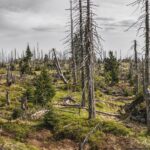
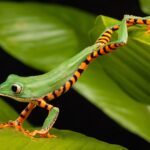
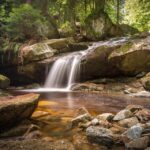
Forests and mountains serve as critical habitats for many species. These environments support a rich variety of life, from the majestic snow leopards of the Himalayas to the diverse bird species inhabiting rainforests. Efforts in wildlife conservation focus on protecting these habitats to ensure species survival. National parks and protected areas play a vital role in this endeavor, offering safe havens for endangered wildlife and preserving essential landscapes.
Climate and Environmental Challenges
Climate change poses immense challenges to natural ecosystems. Rising temperatures and changing precipitation patterns disrupt the habitats of countless species. Oceans are experiencing warming and acidification, adversely affecting marine life and coral reefs. These changes not only impact biodiversity but also threaten the livelihoods of communities that rely on natural resources.
Conservation and Sustainability
Conservation efforts now emphasize sustainable living practices. Organizations are advocating for eco tourism that minimizes environmental footprints while promoting appreciation for nature. By involving local communities in conservation strategies, there’s potential for sustainable economic development alongside the protection of vital ecosystems.
Human Interaction with Nature
The relationship between humans and nature is complex. While urban development has led to habitat loss, an increasing number of individuals are seeking nature exploration experiences. Outdoor activities such as hiking, bird watching, and nature photography foster a connection to the environment and encourage stewardship. Responsible recreational practices can significantly reduce human impact on natural environments.
Common Environmental Mistakes
Despite good intentions, common environmental mistakes persist. Overexploitation of resources, lack of awareness about invasive species, and pollution from waste are frequent issues. Ensuring education on sustainable practices and clean-up initiatives can help mitigate these impacts on our ecosystems.
Future of Nature Conservation
Looking ahead, the future of nature conservation hinges on global cooperation and innovative strategies. With greater scientific understanding and mapping of ecosystems, it becomes possible to implement targeted conservation efforts. The success of biodiversity hotspots and restoration projects will be critical in reinforcing the circle of life.
Conclusion
Understanding the interconnectedness of ecosystems reveals the delicate balance of life on Earth. A unified effort to promote biodiversity, address climate change, and support sustainable practices is essential for preserving our natural world. As stewards of the planet, every action we take has the power to influence the future of biodiversity and the health of our ecosystems.