


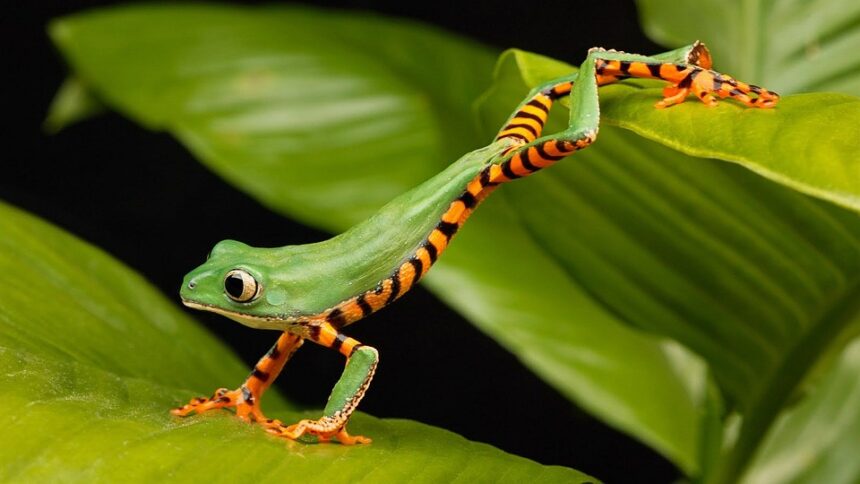
Nature serves as a tapestry interwoven with a rich diversity of life forms and ecosystems, each contributing to the overall balance of our planet. Understanding this intricate web not only enriches our appreciation of the natural world but also highlights the urgent need for its conservation and sustainable management.
Current Nature and Environmental Trends


In recent years, there has been an observable shift in global climate patterns that significantly impacts biodiversity. Elevated temperatures, altered precipitation, and extreme weather events challenge the resilience of natural ecosystems. The increasing emphasis on environmental awareness has sparked initiatives aimed at mitigating these changes. Citizen science projects, alongside designated protected areas, enhance our understanding of wildlife conservation and habitat management. Moreover, eco-tourism offers opportunities for sustainable engagement with nature, promoting environmental education while also providing economic benefits to local communities.



Ecosystems and Biodiversity
Biodiversity encompasses the variety of life forms within an ecosystem, including the genetic, species, and ecosystem diversity. Each component plays a unique role in sustaining life, forming the foundation of natural ecosystems. For instance, forests and mountains serve as critical carbon sinks, while rivers and oceans support a plethora of species. The interdependence of these elements highlights the necessity of healthy ecosystems, which are essential for maintaining ecological balance and providing vital resources.
Wildlife and Natural Habitats



Wildlife, from the smallest insects to the largest mammals, plays a crucial role in shaping their environments through intricate relationships. Forests are not merely collections of trees; rather, they are vibrant communities that provide habitats for countless organisms. Similarly, marine ecosystems, including coral reefs and deep-sea environments, host diverse species that contribute to their overall health. The preservation of these natural habitats is paramount to wildlife conservation and requires active engagement from all sectors of society.
Climate and Environmental Challenges
Climate change is one of the most formidable challenges facing natural ecosystems today. Rising temperatures and shifting weather patterns disrupt migration patterns, reproduction cycles, and food availability for both plant and animal life. Acidification of oceans and changing hydrological cycles similarly threaten aquatic ecosystems. Addressing these challenges demands urgent action, including the adoption of sustainable living practices that reduce our carbon footprint and protect vulnerable habitats.
Conservation and Sustainability
The future of biodiversity relies heavily on effective conservation strategies. Protected areas, such as national parks and wildlife reserves, serve as vital refuges for endangered species and help maintain ecological integrity. The integration of sustainable practices in agriculture and urban planning is essential to minimize human impact on nature. Employing strategies that encourage habitat preservation and restoration can fortify resilience against climate-induced changes.
Human Interaction with Nature
Although human activities contribute to environmental degradation, they can also facilitate meaningful connections with nature. Outdoor nature experiences, including hiking, bird-watching, and nature photography, foster a sense of responsibility towards the environment. Engaging with nature not only enhances mental well-being but also promotes environmental stewardship—critical in inspiring collective efforts toward wildlife conservation and sustainable practices.
Common Environmental Mistakes
Despite growing awareness, common environmental mistakes persist. Overconsumption, habitat destruction, and pollution often arise from a disconnect between daily activities and their ecological consequences. Educational outreach and proactive measures, such as reducing single-use plastics, conserving water, and supporting sustainable agriculture, are vital in correcting these oversights and fostering a culture of conservation.
Future of Nature Conservation
The future of nature conservation hinges on collaboration among governments, organizations, and communities. Innovative conservation initiatives that integrate ecological science with traditional knowledge are essential. As global citizens, we must advocate for policies that protect natural ecosystems and promote biodiversity while supporting socio-economic development. The role of eco-tourism, in particular, presents unique opportunities for sustainable engagement and funding for conservation efforts.
Conclusion
Understanding the harmony in diversity within nature’s ecosystems is crucial for ensuring the health of our planet. By fostering environmental awareness, promoting sustainable living practices, and actively participating in conservation efforts, we can safeguard the rich biodiversity that sustains us all. The intricate relationship between humanity and nature calls for profound respect and responsible management to ensure that future generations inherit a thriving, diverse world.