


Introduction
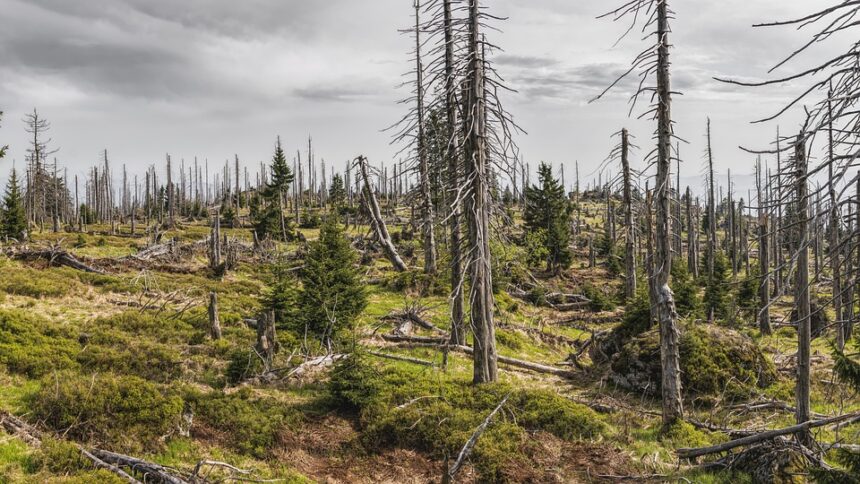
Nature is an intricate tapestry of interconnected systems and species that sustain life on Earth. From towering mountains to vast oceans, each ecosystem performs vital functions, ensuring not only the survival of diverse wildlife but also the well-being of human populations. This article delves into the marvels of nature, highlighting current trends, challenges, and the importance of environmental stewardship.


Current Nature and Environmental Trends
In recent years, there has been a growing awareness of environmental issues, largely spurred by increased media coverage and scientific studies. Activities like nature exploration, eco tourism, and sustainable living have gained popularity, emphasizing the need to conserve biodiversity and protect natural ecosystems. However, despite this awareness, the effects of climate change continue to threaten these ecosystems, leading to urgent calls for action.



Ecosystems and Biodiversity
Biodiversity is the cornerstone of resilient ecosystems, encompassing the richness of species and genetic diversity. Healthy ecosystems, such as rainforests and coral reefs, are not only vital for wildlife conservation but also provide essential services to humans, from clean air and water to natural resources. Preserving these natural environments is imperative for maintaining biological diversity and ecological balance.



Wildlife and Natural Habitats
Wildlife thrives in diverse habitats, each offering specific resources and conditions. Forests, for instance, serve as homes for countless species, while oceans provide critical sustenance for marine life. Human impact, however, has destabilized these habitats, leading to a significant loss of species. Conservation efforts aimed at protecting endangered species and restoring habitats are vital for preserving our planet’s natural heritage.
Climate and Environmental Challenges
The challenges posed by climate change are profound and multifaceted. Rising temperatures, altered precipitation patterns, and extreme weather events disrupt ecosystems, threatening wildlife and habitats alike. This situation underscores the need for global cooperation and innovative solutions to mitigate these effects while promoting environmental awareness among communities.
Conservation and Sustainability
Sustainability hinges on responsible interaction with the environment. Practices such as reforestation, sustainable agriculture, and clean energy initiatives are essential for minimizing human impact. Protected areas and national parks play a critical role in these efforts, offering sanctuaries for wildlife and spaces for outdoor nature experiences that foster a connection between people and the natural world.
Human Interaction with Nature
Humans have always interacted with nature, yet this interaction has evolved over time. Today, there is a growing recognition of the need to coexist with natural systems. Outdoor nature activities like hiking, camping, and nature photography not only enhance well-being but also promote environmental stewardship. It is crucial that we cultivate a sense of responsibility towards preserving these natural wonders.
Common Environmental Mistakes
Many conservation efforts are undermined by common mistakes, such as overconsumption, pollution, and habitat destruction. Education and public engagement are essential in fostering a culture of sustainability, where individuals understand the impact of their actions on biodiversity and natural ecosystems. Implementing eco-friendly practices at both individual and community levels can mitigate these issues significantly.
Future of Nature Conservation
The future of nature conservation rests on a paradigm shift towards sustainability and resilience. Integrating local communities into conservation strategies is crucial, as is the use of innovative technologies for monitoring ecosystems. As global awareness grows, it is imperative that we harness this momentum to propel policy changes and foster sustainable living practices for future generations.
Conclusion
The ecological marvels of our planet are not only beautiful but integral to sustaining life. Understanding the vital roles of ecosystems and species, along with the challenges posed by human impact and climate change, is essential for fostering sustainable practices. Through education, responsible interaction, and proactive conservation efforts, we can help ensure that these natural wonders continue to thrive for generations to come.