



The natural world is a tapestry of diverse habitats, ranging from majestic mountains to tranquil marshes. Each habitat plays a crucial role in sustaining biodiversity and maintaining ecological balance. This article delves into the scientific insights and contemporary trends surrounding nature exploration, wildlife conservation, and the pivotal ecological challenges faced today.
Current Nature and Environmental Trends



Recent years have seen an increased public interest in nature exploration, driven by a growing awareness of environmental issues. Urban populations are seeking outdoor experiences, leading to a rise in eco-tourism and outdoor activities. This trend not only connects individuals to their natural surroundings but also fosters a greater understanding of biodiversity and the imperative of conservation efforts.



Ecosystems and Biodiversity
Natural ecosystems are complex networks that support a multitude of life forms, from towering trees in forests to the intricate root systems in marshes. Biodiversity, representing the variety of life within these ecosystems, is essential for resilience. Healthy ecosystems provide services such as carbon sequestration, water purification, and habitat for wildlife, yet they are vulnerable to external pressures, including climate change and habitat loss.
Wildlife and Natural Habitats
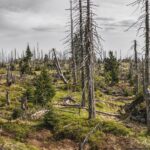


Wildlife is intrinsically linked to its habitats, which vary significantly across geographical zones. Forests serve as homes for a myriad of species, while mountains harbor unique alpine flora and fauna adapted to harsh conditions. Wetlands are critical to migratory birds and act as natural filters for water bodies. Understanding the specific needs of different species is fundamental in promoting effective wildlife conservation strategies that safeguard these habitats.
Climate and Environmental Challenges
Climate change poses significant threats to natural habitats, altering temperature and precipitation patterns, which in turn impact ecosystems. The rising frequency of extreme weather events further exacerbates these changes. Conservationists are challenged to adapt strategies to mitigate these impacts, focusing on habitat restoration, sustainable land use, and community engagement in conservation efforts. Environmental awareness is essential for fostering proactive responses to these challenges.
Conservation and Sustainability
Conservation efforts encompass a multitude of strategies aimed at maintaining biodiversity and natural landscapes. Protected areas, such as national parks, provide sanctuaries for countless species and serve as critical sites for biodiversity research. Sustainable living practices encourage individuals and communities to minimize their ecological footprint, promoting a balance between human activity and nature. Initiatives such as reforestation and wildlife corridors are vital for maintaining ecological integrity.
Human Interaction with Nature
Human interaction with nature can lead to both positive and negative consequences. While outdoor nature experiences like hiking and birdwatching foster appreciation for wildlife and ecosystems, they also risk disturbing sensitive habitats. Responsible eco-tourism emphasizes the importance of minimizing human impact while maximizing the conservation benefits to both ecosystems and local communities.
Common Environmental Mistakes
Mismanagement of natural resources and lack of awareness can lead to significant environmental mistakes. Common pitfalls include overexploitation of resources, pollution of freshwater systems, and failure to recognize the importance of maintaining biodiversity. Environmental education plays a critical role in informing individuals about these issues, encouraging more sustainable choices in daily life.
Future of Nature Conservation
The future of nature conservation hinges on collaborative efforts among governments, NGOs, and local communities. Innovative approaches that incorporate technology, such as remote sensing and data analytics, are proving essential in monitoring ecosystems and assessing the efficacy of conservation measures. As environmental awareness grows, there is hope for more robust policies that prioritize wildlife conservation and sustainable living practices.
Conclusion
From the peaks of mountains to the depths of marshes, our natural world is a delicate balance of ecosystems supporting diverse wildlife. Understanding the interconnectedness of nature is vital for fostering biodiversity and addressing climate change challenges. By embracing sustainable practices and enhancing environmental awareness, we can ensure that these precious habitats remain vibrant for generations to come.