



Forests cover approximately 31% of the Earth’s land area and play an integral role in sustaining life on our planet. Their multifaceted contributions encompass ecological balance, biodiversity, and climate regulation. Understanding the current state of our woodlands is crucial for effective conservation initiatives, which are increasingly under threat from human activity and climate change.
Current Nature and Environmental Trends



The past decades have seen a significant shift in the discourse on environmental health. Increasing awareness of climate change, along with a focus on sustainability, has propelled the conversation surrounding natural ecosystems. Forests serve as critical carbon sinks, absorbing carbon dioxide from the atmosphere and mitigating climate change impacts. Recent studies indicate that healthy forests can absorb up to 1.1 million metric tons of carbon per year.


Ecosystems and Biodiversity
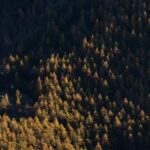
Forests are home to approximately 80% of the terrestrial species of animals, plants, and fungi. These diverse ecosystems are characterized by complex interactions between flora and fauna, which contribute to their overall resilience. The Amazon rainforest exemplifies this, hosting over 16,000 tree species and countless forms of wildlife, making it a crucial area for biodiversity. Protection of such environments is essential for maintaining the intricate web of life they support.
Wildlife and Natural Habitats


Wildlife conservation relies heavily on the preservation of natural habitats, particularly forests. The wildlife found in these regions is not only vital for ecological balance but also offers opportunities for nature exploration and ecotourism. Species such as the elusive snow leopard in mountainous forests or the endangered orangutan in tropical rainforests highlight the urgent need for effective habitat protection measures. These animals serve as indicators of ecosystem health and biodiversity.
Climate and Environmental Challenges
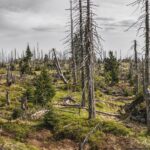
Forests face multiple challenges stemming from climate change, deforestation, and habitat fragmentation. Increased temperatures and altered precipitation patterns can disrupt forest ecosystems. For example, studies have indicated that prolonged droughts can increase the risk of wildfires, further impacting carbon sequestration abilities. Efforts to monitor forest health and address these challenges are imperative to mitigating future risks to these crucial ecosystems.
Conservation and Sustainability
In response to the pressing threats facing forests, a variety of conservation and sustainability initiatives have emerged. Sustainable forest management practices aim to balance ecological integrity with the social and economic needs of local communities. The establishment of national parks and protected areas serves as a safeguard for many of the world’s remaining forests, fostering both biodiversity and environmental awareness. Programs promoting eco tourism encourage responsible interaction with these ecosystems while providing economic benefits to surrounding communities.
Human Interaction with Nature
The relationship between humans and nature is complex. While urbanization and industrialization have led to habitat loss, there is also a growing movement towards sustainable living. Outdoor nature experiences, such as hiking, birdwatching, and nature photography, are increasingly popular. These activities not only foster a connection to the natural world but also promote environmental stewardship.
Common Environmental Mistakes
Despite advancements in environmental awareness, common mistakes continue to occur. For example, the misconception that all forested areas are protected can lead to complacency in conservation efforts. Moreover, invasive species introduction often goes unnoticed, putting native biodiversity at risk. Education and awareness campaigns are vital to address these issues and promote a deeper understanding of our impact on forests.
Future of Nature Conservation
The future of nature conservation relies on proactive measures and global cooperation. International treaties, along with local initiatives, must work in tandem to address the multifaceted challenges that forests face. Innovations in technology, such as remote sensing and biodiversity tracking, offer new avenues for monitoring ecosystems and enhancing conservation strategies.
Conclusion
Forests are invaluable to our global ecosystem, providing critical habitats, regulating climate, and supporting biodiversity. The road ahead necessitates a committed approach to conservation, emphasizing sustainable practices and active engagement in nature exploration. It is through these efforts that we can preserve the forests of fortune for future generations, ensuring a thriving planet.