



Introduction
The exploration of nature offers a profound connection to our environment, revealing the intricate interplay of ecosystems throughout the seasons. This article examines the diverse landscapes of our planet, from forests and mountains to rivers and oceans, while exploring wildlife conservation, biodiversity, and the impact of climate change. By understanding these elements, we can foster environmental awareness and promote sustainable living practices.



Current Nature and Environmental Trends
Across the globe, nature exploration has gained traction as individuals seek to reconnect with the environment. Trends in eco tourism have been on the rise, emphasizing experiences that highlight natural ecosystems while promoting conservation. The growing popularity of outdoor activities, such as hiking and photography, illustrates a collective shift toward appreciating biodiversity and raising awareness about environmental issues.


Ecosystems and Biodiversity
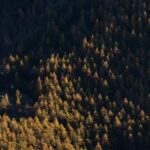
Healthy ecosystems sustain a robust diversity of species, essential for maintaining ecological balance. For instance, forests—home to about 80% of terrestrial biodiversity—are being studied vigorously for their complex interdependencies. Seasonal changes significantly influence species behavior and habitat availability. Understanding these dynamics is crucial for effective wildlife conservation efforts.


Wildlife and Natural Habitats
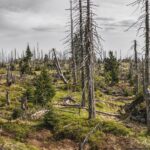
Wildlife, ranging from large mammals to microfauna, is intricately tied to its natural habitats. Animals adapt their behaviors based on seasonal variations, such as migration patterns in birds or hibernation in bears. Protected areas, like national parks, provide refuge for countless species, fostering genetic diversity essential for adaptation and resilience against climate change.
Climate and Environmental Challenges
Climate change poses severe challenges, prompting shifts in temperature and precipitation patterns that directly affect ecosystems. Coral reefs, often regarded as the rainforests of the sea, are suffering from bleaching due to warming waters. Monitoring these changes allows scientists to understand impacts on marine biodiversity and implement targeted conservation strategies.
Conservation and Sustainability
Conservation efforts are vital in safeguarding natural environments. Initiatives focused on sustainable living, such as reforestation projects and wildlife corridors, play a critical role in mitigating the effects of human encroachment. Promoting practices that respect the environment can support biodiversity while fulfilling human needs for natural resources.
Human Interaction with Nature
Human activities, such as urban development, agriculture, and pollution, increasingly encroach upon natural habitats. Recognizing the consequences of these actions is essential for fostering environmental awareness. Education in outdoor settings can bridge the gap between humans and nature, encouraging responsible stewardship of the planet.
Common Environmental Mistakes
Notably, a lack of understanding often leads to common environmental mistakes. Overexploitation of resources, introduction of invasive species, and neglecting the importance of local ecosystems can have detrimental effects. Awareness and education are key to cultivating a culture of conservation.
Future of Nature Conservation
The future of nature conservation hinges on action—both individually and collectively. Engaging in eco tourism, supporting biodiversity initiatives, and practicing sustainable lifestyles can help restore balance within ecosystems. Additionally, technology can play a vital role in conservation efforts, offering tools for monitoring wildlife and habitats.
Conclusion
Nature exploration offers invaluable insights into the complex relationships within our ecosystems. By understanding the importance of biodiversity, recognizing the threats posed by climate change, and committing to sustainable practices, we can work towards a future that honors and protects our natural world. Engaging with nature not only enriches our lives but also reinforces our responsibility to safeguard the environment for generations to come.