


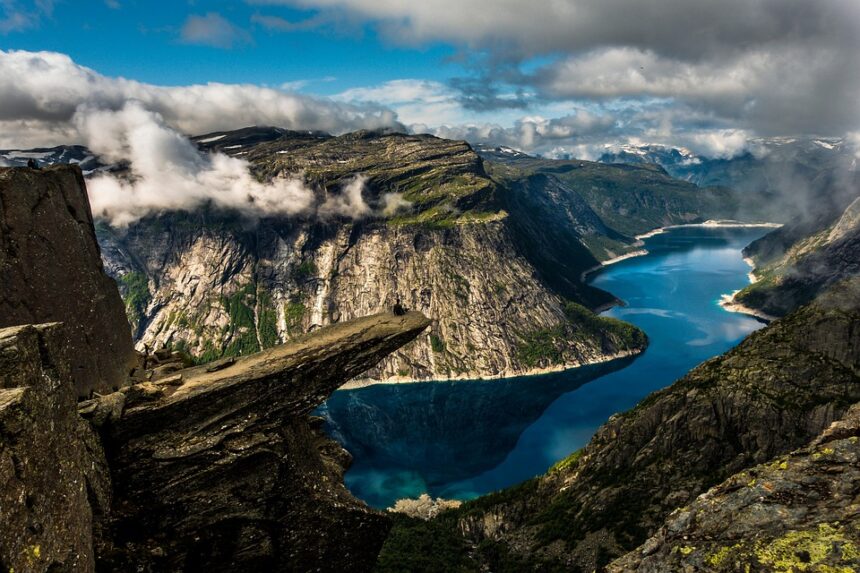
As our planet faces unprecedented environmental challenges, the urgency for wildlife conservation has never been clearer. The intricate connections between wildlife, ecosystems, and human activities highlight the critical need to protect our natural heritage. This article explores current trends, biodiversity, and the challenges we face in preserving the delicate balance of our Earth.
Current Nature and Environmental Trends


The 21st century has ushered in alarming environmental trends, including deforestation, habitat loss, and alarming rates of species extinction. According to the World Wildlife Fund, wildlife populations have declined on average by 68% since 1970. This offers stark evidence of the escalating crisis our planet faces due to human impact and climate change.


Ecosystems and Biodiversity
Biodiversity, the variety of life within an ecosystem, is critical for resilience and stability. Healthy ecosystems, such as forests, wetlands, and oceans, provide essential services like clean air, water, and food. For instance, forests, covering approximately 31% of the Earth’s land area, play a vital role in carbon sequestration, safeguarding against climate change.
Wildlife and Natural Habitats


Wildlife conservation is intrinsic to maintaining biodiversity. Species such as the Amur leopard and Sumatran orangutan illustrate the fragility of natural habitats. Protected areas, including national parks, serve as sanctuaries for endangered species and are essential in preserving unique ecosystems. The Yellowstone National Park, for example, not only protects wildlife but also facilitates ecological research that informs conservation strategies.
Climate and Environmental Challenges
Climate change represents one of the most significant threats to wildlife and natural ecosystems. Rising temperatures, changes in precipitation patterns, and extreme weather events disrupt habitats. Coral reefs, often referred to as the “rainforests of the sea,” face bleaching due to ocean warming, endangering countless marine species. It is imperative to address these challenges to sustain both wildlife and human populations.
Conservation and Sustainability
Effective conservation strategies must integrate sustainability at their core. Practices such as eco tourism offer a dual benefit: promoting conservation while providing a revenue stream for local communities. By engaging visitors in responsible and ethical wildlife observation, we not only educate but also foster an emotional connection to nature, reinforcing the importance of environmental awareness.
Human Interaction with Nature
Human activities, ranging from urbanization to pollution, exert immense pressure on natural ecosystems. Acknowledging our role as stewards of the environment is crucial. Outdoor nature experiences, such as hiking and wildlife photography, not only deepen our appreciation for nature but also inspire collective action for conservation. Utilizing sustainable living practices, including reducing waste and opting for renewable resources, enhances our relationship with the planet.
Common Environmental Mistakes
Despite growing awareness, common mistakes persist, such as overconsumption and neglecting the value of local ecosystems. Often, individuals overlook how daily choices impact global biodiversity. Education on local wildlife and the importance of choosing sustainable products can help mitigate these issues.
Future of Nature Conservation
Looking ahead, the future of nature conservation hinges on collaboration between governments, NGOs, and individuals. Innovative approaches, such as community-based conservation and technology in wildlife monitoring, present opportunities to enhance traditional conservation methods. Engaging younger generations through environmental education will cultivate a lasting commitment to protecting our planet.
Conclusion
Protecting our planet’s wildlife and natural ecosystems is not merely the responsibility of conservationists but a collective duty that encompasses all humanity. As we navigate the challenges of climate change and biodiversity loss, it is imperative to foster environmental awareness and promote sustainable practices. Our planet’s future depends on our ability to unite in the protection of its natural wonders, ensuring they endure for generations to come.