


Introduction
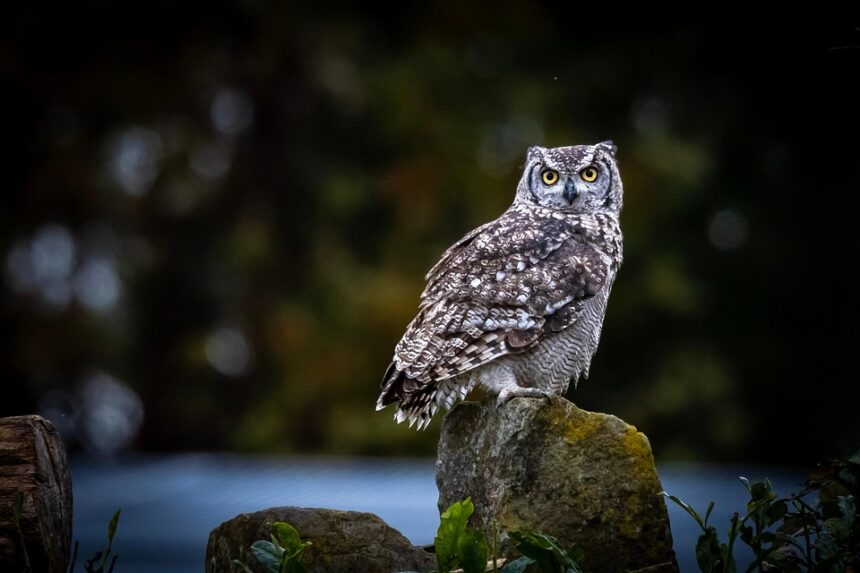
The phenomenon of silent extinction is a grave concern that emphasizes the intricate web of life within our ecosystems. As biodiversity diminishes, the crucial roles that various species play within their environments are threatened. This article explores the importance of every species in the context of conservation efforts, particularly focusing on nature exploration, wildlife conservation, and human interactions with natural ecosystems.


Current Nature and Environmental Trends
Recent trends indicate a rapid decline in global biodiversity, primarily attributed to habitat destruction, climate change, and pollution. According to the Intergovernmental Science-Policy Platform on Biodiversity and Ecosystem Services (IPBES), over one million species face extinction. Understanding these trends is essential for effective conservation strategies.



Ecosystems and Biodiversity
Natural ecosystems, including forests, mountains, rivers, and oceans, provide essential services such as clean air, water filtration, and carbon sequestration. The loss of biodiversity disrupts these natural processes. For instance, pollinators like bees and butterflies are critical for food production; their decline directly impacts human sustenance.


Wildlife and Natural Habitats
Wildlife conservation hinges on protecting natural habitats. Forests serve as reservoirs of biodiversity, while mountains provide unique ecosystems that support endemic species. However, escalating deforestation and urbanization fragment these habitats, leading to isolated populations that struggle for survival.
Climate and Environmental Challenges
Climate change poses significant threats to biodiversity, altering habitats and disrupting ecological relationships. Rising temperatures, changing precipitation patterns, and increasing frequencies of natural disasters all contribute to the vulnerability of various species. Understanding these climate dynamics is vital for developing effective conservation strategies.
Conservation and Sustainability
Sustainable living practices are crucial for mitigating human impact on nature. Actions such as promoting eco tourism, engaging in responsible travel, and encouraging outdoor nature exploration help create awareness about biodiversity and conservation. National parks and protected areas play a key role, acting as sanctuaries for threatened species and ecosystems.
Human Interaction with Nature
Humans have an intricate relationship with nature. While our activities have often led to environmental degradation, there is increasing awareness of our responsibilities to protect wildlife and natural habitats. Educational programs, nature photography, and community conservation projects foster a deeper appreciation for the environment.
Common Environmental Mistakes
Despite growing environmental awareness, common mistakes persist, including overexploitation of natural resources, pollution, and unregulated development. These issues often stem from a lack of understanding of ecological principles and the interconnectedness of various species within ecosystems.
Future of Nature Conservation
The future of nature conservation relies on collaborative efforts between governments, organizations, and local communities. Innovative approaches, including the integration of technology in conservation monitoring and the promotion of citizen science, are essential to enhance biodiversity protection.
Conclusion
In conclusion, every species counts in the ongoing fight against silent extinction. As we continue to explore the wonders of nature, it is imperative to foster a culture of environmental awareness and sustainable living. Active participation in wildlife conservation and ecosystem protection can ensure that future generations enjoy the rich biodiversity our planet has to offer.