


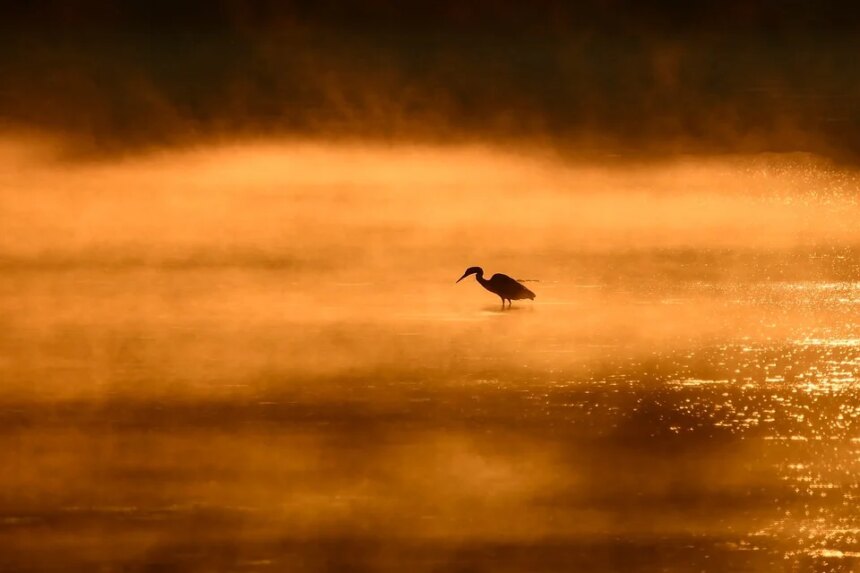
Climate change poses a significant threat to the delicate balance of biodiversity across the globe. As temperatures rise and weather patterns shift, the repercussions are profoundly felt within natural ecosystems, impacting wildlife, habitats, and human interactions with the environment.
Current Nature and Environmental Trends


Recent trends show alarming rates of habitat loss, species extinction, and ecological imbalance. According to the Intergovernmental Science-Policy Platform on Biodiversity and Ecosystem Services (IPBES), around 1 million species face extinction, many within decades, largely due to climate change and human activities. This crisis is exacerbated by deforestation, pollution, and urbanization, undermining the stability of natural ecosystems.


Ecosystems and Biodiversity
Biodiversity, the variety of life in all its forms, is essential for ecosystem health. Forests and mountains, rivers, and oceans are critical habitats that sustain numerous species. Healthy ecosystems provide vital services, such as pollination, water purification, and climate regulation. However, climate change threatens these ecosystems by altering species distributions, disrupting migration patterns, and changing breeding seasons.
Wildlife and Natural Habitats


Wildlife conservation is integral to maintaining biodiversity. Species such as polar bears, coral reefs, and rainforests are particularly vulnerable. For instance, rising ocean temperatures lead to coral bleaching, which endangers marine ecosystems. In forests, changing precipitation patterns can disrupt the life cycles of various mammals and birds, leading to population declines. Protecting these habitats is crucial, as they are often the only refuge for endangered species.
Climate and Environmental Challenges
The impacts of climate change are widespread. Natural disasters, such as wildfires, floods, and hurricanes, are becoming increasingly frequent and severe. These events not only threaten wildlife and their habitats but also pose risks to human communities and their livelihoods. Flooding can alter river ecosystems, while wildfires can devastate forests, drastically reducing biodiversity in affected areas.
Conservation and Sustainability
Conservation efforts are essential in combating the adverse effects of climate change. Strategies include establishing protected areas, implementing wildlife corridors, and engaging local communities in sustainable practices. Eco-tourism can be a powerful tool, helping to raise awareness and generate funds for conservation initiatives. Sustainable living practices, such as reducing waste and promoting renewable energy, can also play a key role in minimizing human impact on nature.
Human Interaction with Nature
Human activities are a major driver of environmental change. Unsustainable agricultural practices, overfishing, and urban sprawl have led to habitat degradation and wildlife loss. Educating individuals about their environmental footprint and promoting responsible outdoor nature experiences can foster a deeper connection with nature and enhance environmental awareness.
Common Environmental Mistakes
Many make common mistakes that inadvertently harm ecosystems. These include littering, disturbing wildlife, and using harmful chemicals in gardening. Such actions can have cascading effects on local ecosystems. Encouraging responsible behavior, such as staying on trails and using biodegradable products, is essential for preserving natural landscapes.
Future of Nature Conservation
The future of conservation lies in collaboration among governments, NGOs, and communities. Innovative approaches, such as integrating traditional ecological knowledge, can enhance conservation strategies. Furthermore, ongoing research into climate change impacts will be vital for making informed decisions to protect biodiversity and ecosystems.
Conclusion
Maintaining the fragile balance between climate change and biodiversity is an urgent imperative. Protecting natural ecosystems through effective conservation strategies, community involvement, and promoting sustainable living is crucial for the health of our planet. As stewards of the Earth, we must prioritize environmental awareness and engage in nature exploration to foster a deeper appreciation of the natural world.