



Introduction
Biodiversity loss is increasingly recognized as one of the most pressing issues confronting our planet today. With countless species facing extinction and ecosystems under threat, this crisis poses significant risks for both the environment and humanity. Understanding the factors contributing to biodiversity loss is essential for fostering effective conservation efforts and promoting sustainable living.


Current Nature and Environmental Trends
Recent studies indicate that up to one million species are currently at risk of extinction due to human activities. Key drivers include habitat destruction, climate change, pollution, and overexploitation of natural resources. As urban areas expand and agriculture intensifies, the delicate balance of natural ecosystems is increasingly disrupted, leading to a decline in biodiversity.


Ecosystems and Biodiversity
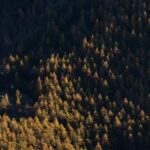
Natural ecosystems, such as forests, mountains, rivers, and oceans, are vital for maintaining biodiversity. Each habitat supports a unique array of plants and animals, contributing to overall ecological health. Forests, for instance, are home to about 80% of terrestrial biodiversity, while oceans provide habitats for countless marine species. Protecting these ecosystems is crucial not only for wildlife conservation but also for the services they provide to humanity, such as clean water and carbon storage.


Wildlife and Natural Habitats
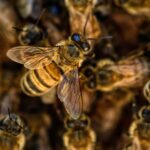
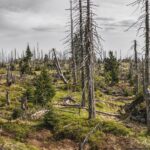
Wildlife plays an integral role in maintaining ecosystem equilibrium. Pollinators like bees and butterflies, for example, are essential for plant reproduction and food production. Unfortunately, habitat loss has severely impacted their populations, leading to declines in both animal and plant life. Conservation efforts must ensure these natural habitats are preserved and restored to support wildlife and sustain biodiversity.
Climate and Environmental Challenges
Climate change exacerbates existing environmental challenges, further threatening biodiversity. Alterations in weather patterns affect species distribution, breeding cycles, and food availability. As temperatures rise, many species struggle to adapt, leading to shifts in natural habitats and increased extinction rates. Addressing climate change necessitates a multifaceted approach, including reducing greenhouse gas emissions and implementing sustainable land-use practices.
Conservation and Sustainability
Conservation efforts are critical in mitigating biodiversity loss. Protected areas, such as national parks, play a pivotal role in safeguarding ecosystems and their inhabitants. Sustainable practices in agriculture, forestry, and tourism are equally vital, helping to balance human needs with environmental preservation. Moreover, promoting eco tourism can raise awareness, providing funding and resources for conservation projects while encouraging outdoor nature exploration.
Human Interaction with Nature
Human activities significantly influence biodiversity outcomes. Urbanization and industrial practices often lead to habitat destruction and fragmentation. An increase in outdoor nature experiences can foster a deeper connection to the environment, encouraging conservation-oriented behavior. Educational programs focused on environmental awareness can also empower communities to take action for biodiversity protection.
Common Environmental Mistakes
Despite growing awareness, several common mistakes persist in the conservation landscape. Overconsumption of resources, lack of consideration for local ecological impacts, and neglecting indigenous knowledge are significant barriers to effective conservation. It is essential to adopt a holistic approach that respects and engages with the natural world and the communities that rely upon it.
Future of Nature Conservation
The future of biodiversity and ecosystems hinges on our collective actions today. Innovative conservation strategies, community-based projects, and rigorous scientific research are crucial for reversing current trends. By fostering partnerships between various stakeholders, including governments, NGOs, and local communities, we can develop sustainable solutions tailored to specific environmental challenges.
Conclusion
As biodiversity loss continues to threaten the planet’s ecological health, proactive measures must be implemented to protect our natural ecosystems. Through awareness, education, and sustainable practices, we can work towards a future where both humanity and nature thrive. Engaging in outdoor nature activities and advocating for wildlife conservation not only enriches our lives but also plays a vital role in safeguarding the planet’s ecological integrity.