



Introduction
The world is witnessing a remarkable decline in biodiversity, with species extinction occurring at an alarming rate. This loss not only threatens wildlife but also the integrity of natural ecosystems that sustain human life. Addressing the drivers behind this crisis is crucial for the survival of various species and the health of our planet.


Current Nature and Environmental Trends
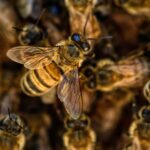
Recent studies indicate that nearly one million species are currently at risk of extinction, primarily due to human activities. Trends show a rapid degradation of habitats, altered climatic conditions, and increased pollution. The loss of biodiversity is linked to our reliance on resources and patterns of consumption that prioritize short-term gains over long-term sustainability.



Ecosystems and Biodiversity
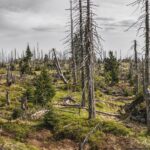
Ecosystems, ranging from forests and mountains to rivers and oceans, are essential for maintaining biodiversity. These natural ecosystems provide vital services such as clean air and water, soil fertility, and carbon sequestration. However, habitat destruction due to urbanization, deforestation, and agriculture disrupts these ecosystems, leading to a decline in species diversity.


Wildlife and Natural Habitats
Wildlife conservation is under threat from multiple fronts. The loss of habitat and fragmentation often forces species into smaller territories, reducing genetic diversity and increasing vulnerability to diseases. Ecosystem imbalances can trigger a cascade effect, impacting not just wildlife but also local communities dependent on these natural habitats.
Climate and Environmental Challenges
Climate change poses a severe challenge to biodiversity. Rising temperatures, altered rainfall patterns, and increased frequency of extreme weather events disrupt the delicate balance of ecosystems. Species unprepared for such rapid changes may struggle to survive, leading to further declines in biodiversity.
Conservation and Sustainability
Efforts aimed at conservation and sustainability are crucial in mitigating the ongoing crisis. Protected areas, such as national parks, serve as refuges for many species. Conservation initiatives focus on restoring habitats, protecting endangered species, and fostering biodiversity through sustainable practices. Community engagement is essential for successful wildlife conservation, as local populations often have valuable insights into ecosystem management.
Human Interaction with Nature
Human interaction with nature is complex and multifaceted. Outdoor nature experiences, such as hiking and nature photography, foster a connection to the environment that can inspire conservation efforts. However, irresponsible tourism can lead to habitat degradation and wildlife disturbances. Eco-tourism, when managed sustainably, can provide economic benefits while promoting environmental awareness.
Common Environmental Mistakes
Despite growing awareness, several common mistakes persist. Overexploitation of natural resources, illegal wildlife trade, and pollution continue to threaten biodiversity. A lack of understanding about the value of ecosystems often leads to neglect, while short-term economic interests overshadow long-term environmental health. Promoting sustainable living practices can help mitigate these mistakes and foster a healthier relationship with nature.
Future of Nature Conservation
The future of nature conservation hinges on collaborative efforts among governments, NGOs, and communities. Innovative conservation strategies, such as habitat restoration and the establishment of wildlife corridors, are essential for enabling species to adapt to changing conditions. Increasing environmental awareness through education is critical for cultivating a culture that values and protects biodiversity.
Conclusion
The urgent need to address the causes of species extinction cannot be overstated. A multifaceted approach involving conservation initiatives, sustainable living practices, and increased public engagement is crucial. As stewards of the planet, we must prioritize the preservation of biodiversity to ensure the health and sustainability of natural ecosystems. By nurturing our connection with nature, we can work towards a resilient future.