



The intricate web of life on Earth continues to face unprecedented challenges as human activity intensifies. From deforestation to pollution, the consequences of our actions have begun to unravel the delicate balance of natural ecosystems. However, individuals can play a significant role in fostering a greener tomorrow through informed actions and responsible choices in nature exploration and conservation.
Current Nature and Environmental Trends


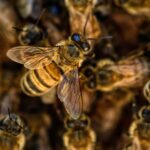
As climate change intensifies, natural habitats and biodiversity are under immense stress. Recent studies highlight an alarming decline in wildlife populations, with some species facing extinction within our lifetime. The International Union for Conservation of Nature (IUCN) reports that nearly 30% of assessed species are threatened, underscoring the urgent need for action and awareness among the public.

Ecosystems and Biodiversity
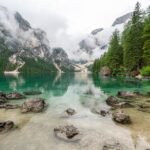
Biodiversity is essential for ecosystem resilience and function. Each species, from the smallest microorganism to the largest mammal, plays a role in maintaining ecological balance. Unfortunately, habitat loss, driven mostly by agriculture and urbanization, poses significant threats to these natural ecosystems. Analysts urge the protection of critical habitats through conservation programs that prioritize preserving areas such as forests, wetlands, and marine environments.
Wildlife and Natural Habitats

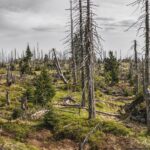

Wildlife conservation is not just about preserving iconic species; it’s about maintaining the entire fabric of life within ecosystems. Initiatives that promote sustainable living can mitigate the effects of habitat destruction and pollution. For instance, responsible eco tourism can provide financial incentives for conservation, allowing local communities to coexist with wildlife, ultimately leading to healthier ecosystems.
Climate and Environmental Challenges
Climate change presents a formidable challenge, resulting in shifting weather patterns, rising sea levels, and increased frequency of extreme weather events. These changes affect both terrestrial and marine habitats, leading to disruptions in migration patterns, breeding cycles, and overall biodiversity. As stewards of the Earth, humans must adapt their behaviors to reduce carbon footprints, conserve energy, and support renewable resources.
Conservation and Sustainability
Conservation strategies are essential for safeguarding biodiversity. Engaging in local conservation efforts, participating in tree planting, and supporting wildlife corridors can make a positive impact. Furthermore, sustainable living practices in daily routines—such as reducing plastic waste and choosing sustainable products—can contribute significantly to healthier ecosystems.
Human Interaction with Nature
An understanding of human interaction with nature often reveals both positive and negative impacts. Outdoor nature experiences, such as hiking, birdwatching, and camping, promote environmental awareness by fostering a connection with the land. This bond can inspire advocacy for conservation efforts and a deeper appreciation for the need to protect natural resources.
Common Environmental Mistakes
Despite growing awareness, several common environmental mistakes persist. Relying too heavily on single-use plastics, misunderstanding recycling guidelines, and supporting industries that harm ecosystems are issues many individuals encounter. Overcoming these challenges requires education and accountability at all levels of society.
Future of Nature Conservation
The future of nature conservation hinges on collaborative efforts between governments, non-profits, local communities, and individuals. Programs that integrate scientific research with community input can create effective conservation strategies. Moreover, educational initiatives that promote environmental awareness are vital to foster a new generation of eco-conscious citizens.
Conclusion
In conclusion, making a difference for a greener tomorrow is a collective responsibility. Through informed nature exploration, sustainable practices, and active participation in conservation efforts, individuals can contribute to the preservation of biodiversity and ecosystems. As awareness grows, so too does the hope for a prosperous coexistence with the natural world.