



The quest for clean energy is not solely about reducing carbon emissions; it intertwines deeply with the world of nature, wildlife, and ecosystems. As renewable energy technologies proliferate, their implications for the environment and our natural landscapes are profound. The synergy between clean energy innovations and environmental conservation is crucial for sustaining biodiversity and promoting the health of our planet.
Current Nature and Environmental Trends



Recent years have seen a significant shift in energy production towards renewable sources such as solar, wind, and hydroelectric power. This trend not only influences carbon emissions but also reflects a deeper understanding of the interconnectivity between our energy systems and natural ecosystems. According to reports, the shift is expected to significantly reduce environmental degradation. Thus, nature exploration can reveal how these energy solutions coexist with, and sometimes benefit, our natural surroundings.



Ecosystems and Biodiversity
Natural ecosystems, such as forests, wetlands, and marine environments, are home to a staggering variety of species. Biodiversity is crucial for ecosystem stability and resilience. Studies indicate that areas rich in biodiversity can better withstand the pressures brought about by climate change. The deployment of renewable energy infrastructure, when done thoughtfully, can enhance wildlife habitats. For example, solar farms, if properly designed, can coexist with native plant species and even serve as biodiversity hotspots.
Wildlife and Natural Habitats

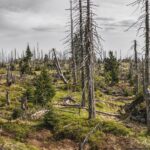

Wildlife conservation efforts are increasingly recognizing the importance of integrating renewable energy solutions. Wind turbines, often criticized for their impact on bird and bat populations, can be sited more judiciously to minimize disruption. Innovative design modifications and monitoring technologies can help mitigate these impacts, fostering a balance between energy production and wildlife protection.
Climate and Environmental Challenges
Climate change remains one of the most pressing environmental challenges of our time, influencing temperature and rainfall patterns and leading to habitat loss. Transitioning to renewable energy is a critical component of addressing these challenges. Renewable energy technologies can reduce reliance on fossil fuels, thus minimizing greenhouse gas emissions. This transition is essential to preserve our forests, rivers, oceans, and natural landscapes, which are increasingly threatened by climate change.
Conservation and Sustainability
Conservation strategies now often incorporate sustainable living principles, encouraging communities to adopt practices that support both biodiversity and clean energy. National parks and protected areas serve as critical refuges for wildlife, often integrating renewable energy solutions, such as solar panels, to power visitor centers sustainably. These practices underscore the role of eco tourism in promoting environmental awareness and generating support for conservation initiatives.
Human Interaction with Nature
Human interaction with nature is evolving as societies recognize their essential role in protecting the environment. Outdoor nature experiences, such as wildlife watching and hiking in forests, foster a deeper connection to the natural world. Such experiences can stimulate interest in wildlife conservation and biodiversity and underscore the importance of sustainable practices.
Common Environmental Mistakes
While the shift to renewable energy is encouraging, common mistakes remain, such as the improper siting of renewable projects that can disrupt natural habitats. It is vital to implement comprehensive environmental assessments to avoid potential pitfalls associated with new infrastructure. Awareness of these challenges can help guide future developments in cleaner energy while preserving ecosystems.
Future of Nature Conservation
The future of nature conservation is closely linked to the development and implementation of renewable energy technologies. As societies grapple with the implications of climate change, an understanding of biodiversity’s critical roles through rigorous scientific exploration will inform conservation efforts. Collaborative approaches that include communities, scientists, and policymakers are essential for fostering an integrated relationship between clean energy and wildlife conservation.
Conclusion
The renewable revolution presents both opportunities and challenges for nature and the environment. By aligning clean energy innovations with wildlife conservation and promoting environmental awareness, we can work toward a sustainable future where natural ecosystems thrive alongside human activities. The journey toward ecological balance is ongoing, reminding us of the critical importance of preserving our planet for generations to come.