



As urban areas continue to expand, one might assume that biodiversity diminishes with the encroachment of concrete and steel. However, recent studies reveal that cities themselves can serve as unexpected reservoirs of wildlife and natural ecosystems, offering profound opportunities for nature exploration and environmental awareness. This article delves into the hidden biodiversity within urban spaces, highlighting the importance of every green space in fostering wildlife conservation amidst climate change.
Current Nature and Environmental Trends


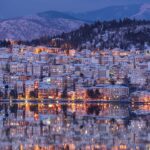
Urbanization is a significant trend influencing ecosystems worldwide. The United Nations estimates that over 55% of the global population resides in urban areas, a figure projected to rise to 68% by 2050. This rapid urban growth prompts essential discussions around sustainable living and biodiversity preservation. While urbanization often leads to habitat destruction, many cities are increasingly implementing initiatives to create green spaces that enhance biodiversity, promote wildlife habitats, and mitigate the effects of climate change.

Ecosystems and Biodiversity
Urban ecosystems are often underestimated in their ecological value. Studies have shown that cities can host a surprising array of flora and fauna, supported by parks, gardens, and corridors that connect natural habitats. These urban ecosystems can harbor species typically associated with rural or undisturbed environments, such as butterflies, birds, and various small mammals. The widespread planting of native species in urban landscaping has been linked to increased biodiversity and improved habitat quality.
Wildlife and Natural Habitats


Urban wildlife is a growing subject of interest among researchers and nature enthusiasts alike. Species like foxes, raccoons, and even peregrine falcons are increasingly adapting to city life. Birdwatching in urban parks has gained popularity, with many birds using cities as migration stopovers or even permanent residences. Moreover, urban wetlands and rivers often support diverse plant and animal communities, although their ecological health requires vigilant monitoring.
Climate and Environmental Challenges
Urban areas face numerous environmental challenges, including heat islands, pollution, and diminished water quality. These issues exacerbate the effects of climate change, stressing the need for adaptive strategies. Increasing green spaces, enhancing urban forests, and restoring natural habitats are crucial measures that cities can adopt to combat climate-related impacts and foster resilient ecosystems. Innovative measures such as green roofs and rain gardens can capture rainfall, reduce runoff, and promote biodiversity.
Conservation and Sustainability
Conservation efforts in urban settings emphasize sustainable practices that engage local communities. Initiatives focused on citizen science allow urban dwellers to participate in biodiversity assessments, fostering a sense of connection to their environment. Local organizations often collaborate with governmental bodies to establish protected areas, ensuring that critical habitats are preserved for future generations. Sustainable urban planning aims to balance development needs with the preservation of biodiversity.
Human Interaction with Nature
Reconnecting individuals with nature is crucial for environmental awareness and wildlife conservation. People increasingly seek outdoor nature experiences in urban settings, whether through guided nature walks, volunteer programs, or educational workshops. Nature photography has also emerged as a popular way to encourage appreciation for urban biodiversity, prompting residents to observe and document their local environments.
Common Environmental Mistakes
Despite growing awareness, common misconceptions about urban biodiversity persist. One prevalent misconception is that urban areas lack significant wildlife. While it is true that urban environments often support fewer species than natural habitats, they still provide essential resources for numerous organisms. Another mistake is the perception that native plants are less aesthetically pleasing than ornamental species. In reality, native plants are crucial for supporting local wildlife and promoting a balanced ecosystem.
Future of Nature Conservation
The future of nature conservation in urban areas hinges on fostering partnerships between various stakeholders, including governments, researchers, and community members. Initiatives targeting eco tourism can generate interest in urban biodiversity while providing economic incentives for conservation. Investing in educational programs can also cultivate a generation of environmentally conscious citizens committed to preserving their local ecosystems.
Conclusion
Beyond the allure of the rainforest, urban spaces are home to rich and diverse ecosystems that nurture an array of wildlife. As urbanization continues to transform landscapes, understanding the significance of these hidden biodiverse havens is critical. By promoting sustainable living practices and prioritizing conservation efforts, cities can cultivate vibrant ecosystems, ensuring that future generations inherit a world teeming with life. Embracing nature exploration, increasing environmental awareness, and advocating for urban biodiversity are essential steps in preserving the natural heritage that coexists alongside humanity.