

Introduction
Climate change is imperiling ecosystems around the globe, compelling wildlife to adapt to rapidly altering environments. As temperatures rise and precipitation patterns shift, many species are facing unprecedented challenges in their natural habitats. Understanding these dynamics is crucial for wildlife conservation and biodiversity sustainability.


Current Nature and Environmental Trends
Observations from various natural ecosystems indicate that climate change is contributing to a host of environmental shifts. Glaciers are retreating, sea levels are rising, and geographic ranges of species are changing. These transformations not only affect individual species but also disrupt entire ecosystems, leading to the collapse of ecological balances.


Ecosystems and Biodiversity
Healthy biodiversity contributes to resilient ecosystems. Rich biodiversity ensures that ecosystems can adapt to changes, maintaining crucial processes such as pollination, nutrient cycling, and water purification. However, climate change threatens biodiversity, with species migration and extinction risks threatening to destabilize these vital natural systems.


Wildlife and Natural Habitats
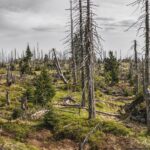
Wildlife is inherently tied to its habitat. As climate change alters conditions across forests, mountains, rivers, and oceans, many species are forced to migrate to more suitable environments or face extinction. For example, polar bears are losing their sea ice habitat, impacting their ability to hunt seals, a primary food source.
Climate and Environmental Challenges
Natural landscapes are increasingly facing challenges such as habitat degradation, extreme weather events, and invasive species that disrupt ecological balance. These challenges are particularly evident in regions vulnerable to climate impacts, including wetlands threatened by rising sea levels and forests ravaged by wildfires. As these issues escalate, the urgency for effective conservation strategies becomes clear.
Conservation and Sustainability
Addressing climate-related challenges through conservation initiatives is paramount. This includes protecting and restoring natural landscapes, implementing sustainable land-use practices, and promoting biodiversity. Efforts such as reforestation and the establishment of protected areas are vital for safeguarding ecosystems against the effects of climate change.
Human Interaction with Nature
Human activities significantly impact the environment, contributing to climate change and habitat destruction. Urbanization, pollution, and over-exploitation of resources can diminish the quality of natural ecosystems. Therefore, fostering environmental awareness and promoting sustainable living practices can help mitigate these impacts.
Common Environmental Mistakes
Many people unknowingly contribute to environmental degradation through actions such as disregarding waste management, supporting unsustainable products, or failing to engage in responsible outdoor activities. Education and proactive efforts in sustainable living can help reduce these mistakes and foster a more harmonious relationship with nature.
Future of Nature Conservation
Looking ahead, the future of nature conservation relying heavily on global cooperation and commitment. Initiatives focusing on eco tourism, habitat restoration, and sustainable land management can empower communities while promoting environmental awareness. This collective effort is crucial for ensuring that the delicate balance of natural ecosystems is preserved amidst ongoing climate changes.
Conclusion
As climate change continues to present significant challenges, urgent action is needed to conserve wildlife and protect natural ecosystems. By prioritizing sustainable practices and fostering an appreciation for our environment through nature exploration and outdoor experiences, we can work toward a better future for both wildlife and the planet.