


Introduction
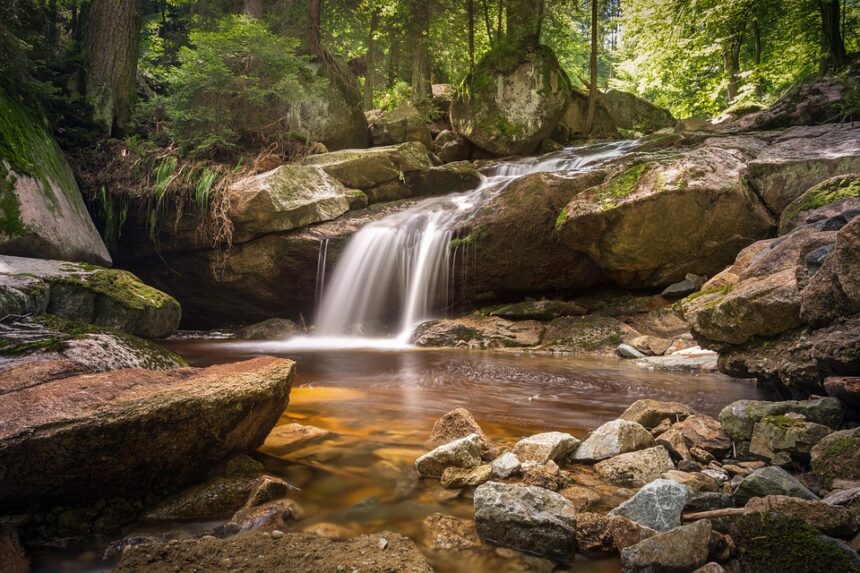
In an age characterized by rapid urbanization and climate change, nature exploration has emerged as a crucial means of understanding and appreciating our environment. The study of natural ecosystems not only helps us document biodiversity but also provides insights into the urgent need for wildlife conservation. This article delves into current trends in nature exploration, examines the intricate relationships within ecosystems, and highlights the challenges and opportunities for sustainable living.



Current Nature and Environmental Trends
Recent surveys indicate a rising public interest in outdoor activities, reflecting a broader trend toward environmental awareness. Events such as Earth Day and significant media coverage of climate-related issues have contributed to this heightened consciousness. As more people venture into natural parks and protected areas, and as eco-tourism gains traction, there is an increasing recognition of the value of preserving our natural habitats.



Ecosystems and Biodiversity
The health of any ecosystem is directly tied to its biodiversity. Complex interactions among various species contribute to the overall resilience of natural systems. For instance, forests not only provide a habitat for numerous animal and plant species but also play a vital role in carbon sequestration, soil health, and water regulation. As studies show, areas with high biodiversity are better equipped to withstand environmental disturbances caused by climate change.


Wildlife and Natural Habitats
Wildlife conservation efforts focus on preserving critical habitats. For example, coastal wetlands and mangrove forests serve as breeding grounds for countless marine species and act as buffers against storm surges. Yet, habitat destruction due to human activities continues to threaten wildlife populations. With ongoing deforestation, urban sprawl, and pollution, there is an urgent need for innovative strategies to protect these natural habitats.
Climate and Environmental Challenges
Climate change poses significant challenges to ecosystems around the globe. Increasing temperatures, shifting precipitation patterns, and rising sea levels are altering the habitats of many species, resulting in shifts in biodiversity and ecosystem services. For example, coral reefs, which are vital for many marine species, are experiencing bleaching events due to warmer ocean temperatures. Understanding these changes is critical for developing effective conservation strategies.
Conservation and Sustainability
The concept of sustainability is at the heart of conservation efforts. By promoting sustainable living practices, such as responsible tourism and eco-friendly agriculture, communities can mitigate their impact on natural ecosystems. Organizations and governments are increasingly collaborative with local populations to develop conservation programs that prioritize biodiversity while enhancing economic opportunities through eco-tourism.
Human Interaction with Nature
While human activities often have detrimental effects on the environment, they can also foster positive changes. Educational programs emphasize the importance of respecting wildlife and ecosystems, encouraging individuals to engage in outdoor nature experiences that promote a deeper understanding of environmental issues. Nature photography, for example, can raise awareness about the beauty and fragility of ecosystems, inspiring others to take action.
Common Environmental Mistakes
Despite growing awareness, several common environmental mistakes persist. These include neglecting the importance of native species in ecosystems, underestimating the effects of pollution, and overlooking the cumulative impact of seemingly small individual actions. Addressing these misconceptions is essential for effective environmental advocacy and wildlife conservation.
Future of Nature Conservation
The future of nature conservation depends on building robust partnerships among governments, NGOs, and local communities. Innovative strategies that blend traditional ecological knowledge with modern science are essential for creating resilient ecosystems. Embracing technology can enhance monitoring and reporting, providing timely information necessary for effective conservation efforts.
Conclusion
As the challenges posed by climate change and human impact on nature continue to escalate, our understanding of natural ecosystems and biodiversity becomes even more critical. Nature exploration not only enriches our lives but also serves as a foundation for informed environmental awareness and sustainable practices. The collective responsibility of individuals, communities, and organizations is essential for ensuring that future generations can enjoy and benefit from the planet’s remarkable natural heritage.