



The intricate relationship between humans and the natural world is increasingly under scrutiny, driven by accelerating environmental changes and a heightened awareness of wildlife conservation. As we delve deep into nature exploration, it’s essential to consider how our ecosystems, biodiversity, and sustainable practices can shape the future of our planet.
Current Nature and Environmental Trends



Over the past decade, there has been a discernible shift towards environmental awareness, with communities around the globe prioritizing sustainability. This trend is manifested in the rising popularity of eco-tourism, which emphasizes responsible travel to natural areas while conserving the environment. According to the United Nations World Tourism Organization, eco-tourism represents a growing segment of the travel industry, accounting for significant economic and ecological benefits.



Ecosystems and Biodiversity
Natural ecosystems serve a crucial role in maintaining global biodiversity. Forests, wetlands, and oceans are not only home to countless species but also provide essential services such as carbon sequestration, water purification, and soil fertility. The Intergovernmental Science-Policy Platform on Biodiversity and Ecosystem Services (IPBES) emphasizes that biodiversity is fundamental to ecosystem resilience. Biodiversity loss can threaten these functions, highlighting the importance of wildlife conservation initiatives.
Wildlife and Natural Habitats

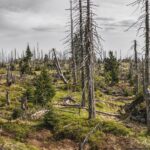

Wildlife, residing in varied habitats, is essential for ecological balance. Forests and mountains host diverse species, while rivers and oceans teem with marine life. Each habitat contributes uniquely to the global ecosystem. Protecting these habitats is critical in combating climate change, as intact ecosystems can absorb CO2 and mitigate the impacts of global warming. Studies suggest that degraded habitats can release stored carbon, exacerbating climate issues.
Climate and Environmental Challenges
Climate change presents grave challenges to global ecosystems. Rising temperatures, altered precipitation patterns, and extreme weather events threaten the stability of natural habitats. Species are forced to adapt, migrate, or face extinction. The World Wildlife Fund (WWF) reported alarming shifts in species distribution due to climate change. Immediate action is required to mitigate these effects through sustainable living practices and conservation policies.
Conservation and Sustainability
Conservation efforts are imperative for preserving biodiversity. Policies supporting protected areas, like national parks, are essential in safeguarding habitats from human encroachment and industrial activities. Sustainable living practices, such as reducing waste, conserving water, and supporting local biodiversity through community gardens, can significantly impact global conservation efforts.
Human Interaction with Nature
Human interaction with the natural world can have both positive and negative effects. Outdoor nature experiences foster appreciation and stewardship, often leading individuals to advocate for conservation. However, activities like urban expansion, pollution, and resource over-extraction can lead to ecosystem degradation. Awareness and education are vital in promoting a harmonious relationship between people and nature.
Common Environmental Mistakes
Many individuals inadvertently contribute to environmental degradation through daily behaviors. Common mistakes include excessive plastic use, neglecting energy conservation, and failing to support eco-friendly products. Emphasizing environmentally friendly practices in everyday life is crucial for minimizing human impact on nature.
Future of Nature Conservation
The future of nature conservation hinges on collective action and a paradigm shift in human values toward nature. Encouraging eco-tourism and nature photography can raise awareness of environmental issues, fostering a deeper connection to global ecosystems. As technology evolves, it also offers innovative solutions for conservation, including remote sensing for habitat monitoring and genetic studies for species restoration.
Conclusion
Understanding the complexities of our natural world is imperative for fostering a sustainable relationship between humanity and nature. Active participation in nature exploration, wildlife conservation, and community engagement can weave a more resilient future for our planet. With growing environmental awareness and concerted efforts, we can preserve the breathtaking beauty and ecological diversity that our Earth offers.