



As our planet faces unprecedented environmental challenges, stories of positive change serve as beacons of hope. Through nature exploration, community-driven conservation, and sustainable living practices, individuals and organizations are making meaningful strides in protecting our natural ecosystems. This article delves into these inspiring narratives, emphasizing the interconnectedness of biodiversity, ecosystems, and human activity.
Current Nature and Environmental Trends



Recent trends in environmental movements have highlighted the importance of grassroots initiatives. Citizen science programs are on the rise, allowing local communities to participate in wildlife monitoring and habitat restoration. These projects not only enhance environmental awareness but also empower individuals by allowing them to take actionable steps toward conservation.



Ecosystems and Biodiversity
Biodiversity is crucial for maintaining healthy ecosystems. Diverse habitats ensure resilience against environmental changes, supporting a variety of species that contribute to ecological balance. Conservation efforts, such as habitat restoration in the Amazon rainforest, illustrate the positive impacts of reforestation and the protection of endangered species. Such efforts not only preserve wildlife but also enhance ecosystem services such as carbon capture and soil fertility.
Wildlife and Natural Habitats

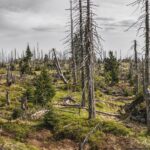

Exploring natural habitats can foster a deeper appreciation for wildlife. National parks like Yellowstone and the Galápagos Islands offer unique opportunities to witness diverse species in their natural environments. Eco-tourism promotes responsible travel, allowing visitors to experience breathtaking landscapes while supporting local conservation efforts. Sustainable practices in these protected areas help ensure that wildlife conservation remains viable for generations to come.
Climate and Environmental Challenges
Climate change poses significant threats to ecosystems worldwide, leading to habitat destruction, species extinctions, and altered natural phenomena. The increasing frequency of wildfires, rising sea levels, and shifting climate patterns are stark reminders of the urgent need for collective action. Scientific studies indicate that addressing climate change requires a multifaceted approach, focusing on carbon reduction, natural resource management, and promoting sustainable practices.
Conservation and Sustainability
Conservation strategies are evolving, with an increasing emphasis on sustainable living. Community-led initiatives that encourage local food production and energy conservation can significantly reduce individual environmental footprints. Programs promoting native plant gardens and organic farming practices enhance biodiversity while supporting sustainable ecosystems. Effective conservation combines scientific research with community involvement to develop strategies tailored to local ecological needs.
Human Interaction with Nature
Human impact on nature is profound, influencing biodiversity and ecosystem health. Urbanization and industrialization have led to habitat fragmentation and pollution. However, increased environmental awareness has spurred movements advocating for greener urban spaces, such as rewilding projects and green roofs that integrate nature into city landscapes. Engaging in outdoor nature experiences encourages a profound connection between individuals and the environment, fostering a sense of responsibility for its preservation.
Common Environmental Mistakes
Despite growing awareness, common misunderstandings still permeate environmental discussions. Overharvesting, for instance, can deplete resources faster than they can regenerate. Moreover, misconceptions about invasive species can lead to misguided efforts that ultimately harm local biodiversity. Education and accurate information are essential in mitigating these mistakes and steering efforts toward effective conservation.
Future of Nature Conservation
The future of nature conservation hinges on collaborative efforts that bridge scientific research, public policy, and community engagement. The integration of technology, such as remote sensing and geo-spatial mapping, enhances our ability to monitor ecosystems and gauge the effectiveness of conservation strategies. As the urgency of climate action continues to grow, the synergy between preservation and innovation will be paramount in ensuring the sustainability of our planet.
Conclusion
The journey from awareness to action is critical in the realm of environmental change. By sharing inspiring stories of individuals and communities dedicated to wildlife conservation and sustainable living, we can motivate others to become stewards of the earth. As we continue to explore nature’s wonders, it is essential to recognize our role in preserving its beauty for future generations.