



As the world grapples with unprecedented environmental changes, the work of wildlife conservationists emerges as vital in safeguarding the planet’s irreplaceable natural resources. These guardians of the wild, from local communities to international NGOs, strive to maintain biodiversity and restore ecosystems, often in the face of overwhelming challenges.
Current Nature and Environmental Trends


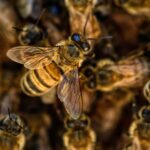
Global studies suggest that nearly one million species are at risk of extinction. This alarming trend is driven by habitat loss, climate change, and pollution, emphasizing the importance of a multifaceted approach to conservation. The rise of eco-tourism has bolstered interest and investment in protected areas, emphasizing the need for sustainable practices that benefit both local communities and the environment.


Ecosystems and Biodiversity
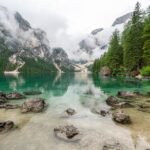
Biodiversity is the cornerstone of resilient ecosystems. Forests, mountains, rivers, and oceans are rich with life; they provide fundamental services such as clean air, water filtration, and climate regulation. Healthy ecosystems enhance food security and sustain livelihoods, underscoring the interconnectedness of all species, including humans. For instance, coral reef systems support diverse marine life, while forests act as carbon sinks, mitigating climate change.
Wildlife and Natural Habitats

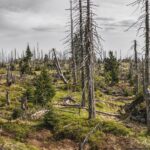

Wildlife conservation efforts are centered around protecting rare and endangered species and their habitats. Initiatives like rewilding—restoring ecosystems to their natural state—are gaining traction. Such strategies not only foster biodiversity but also strengthen resilience against climate change. Additionally, the preservation of natural habitats ensures the survival of endemic species whose evolutionary legacy is critical to ecological stability.
Climate and Environmental Challenges
Climate change presents one of the greatest threats to wildlife and ecosystems. Rising temperatures and unpredictable weather patterns accelerate habitat degradation. Forests face increased risks from pests and wildfires, while marine ecosystems suffer from ocean acidification and rising sea levels. Remote monitoring and advanced technology play pivotal roles in studying these changes, facilitating the development of effective conservation strategies.
Conservation and Sustainability
Sustainable living is a guiding principle in conservation efforts. Practices such as reforestation, wildlife corridors, and organic farming can maintain ecological balance and support local communities. Conservationists promote awareness about sustainable resource use, emphasizing the importance of preserving natural beauty for future generations. Educational campaigns aim to empower individuals to reduce their ecological footprint through responsible outdoor activities and nature photography.
Human Interaction with Nature
Humans have long influenced natural environments, often to the detriment of wildlife and biodiversity. Urbanization, pollution, and climate change pose significant challenges. Nevertheless, embracing a conservation mindset—where outdoor nature experiences encourage respect for wildlife—can catalyze positive change. National parks and protected areas serve as models for coexistence, showcasing the benefits of preserving space for both nature and human enjoyment.
Common Environmental Mistakes
Despite increased awareness, common mistakes persist. Overexploitation of resources, neglecting local ecosystems, and underestimating the impact of climate change are prevalent. Moreover, many conservation initiatives overlook the cultural significance of local wildlife, which can lead to conflict and resistance. Engaging communities in conservation planning is critical to fostering long-term sustainable practices.
Future of Nature Conservation
The future of nature conservation lies in collaborative efforts that prioritize biodiversity, integrate traditional ecological knowledge, and harness scientific innovation. Partnerships between governments, businesses, and NGOs are essential to addressing the complexities of climate change and habitat loss. Furthermore, increased emphasis on eco-tourism can create economic opportunities while promoting environmental stewardship.
Conclusion
Wildlife conservation is a shared responsibility that highlights the need for informed action. As guardians of the wild, conservationists, communities, and individuals must continue to advocate for natural ecosystems. By supporting conservation efforts and fostering environmental awareness, we can ensure that the richness of our planet’s biodiversity endures for generations to come.