


Introduction
Nature exploration serves as a vital pedagogical tool for understanding environmental systems and fostering a deep sense of stewardship. Immersing oneself in natural ecosystems not only enriches individual experiences but also cultivates a profound appreciation for wildlife and the complexity of our planet. This article delves into critical aspects of nature exploration and its implications for wildlife conservation, biodiversity, and sustainable living.



Current Nature and Environmental Trends
Recent trends in nature exploration highlight a growing interest in outdoor activities, spurred by a global shift towards experiencing nature firsthand. The rise of eco tourism—travel that focuses on conservation and minimizing environmental impact—has transformed how individuals interact with wildlife and landscapes. Increasing urbanization, however, poses threats to access and awareness, prompting initiatives for protected areas and national parks to preserve vital ecosystems.



Ecosystems and Biodiversity
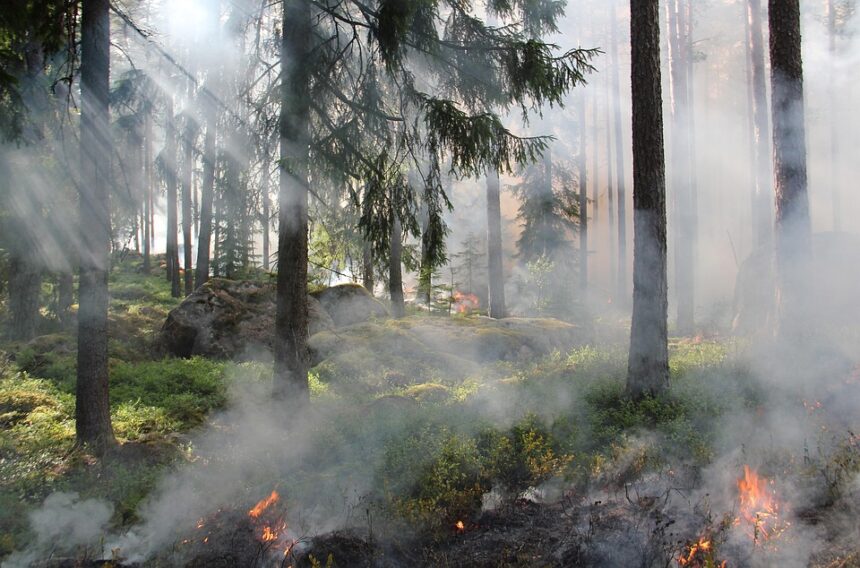
Natural ecosystems, ranging from forests to mountains, rivers to oceans, play a critical role in sustaining biodiversity. These environments are teeming with life and serve as habitats for countless species. Recent studies indicate that diverse ecosystems are more resilient against climate change, emphasizing the importance of conserving these areas. For example, temperate forests, which comprise a significant percentage of biodiversity, also act as carbon sinks, helping mitigate climate change effects.


Wildlife and Natural Habitats
Understanding wildlife requires engaging with their natural habitats. Exploration provides critical insights into animal behavior, migration patterns, and ecological roles. However, it is essential to balance wildlife observation with conservation efforts to prevent disturbance. Ethical wildlife photography, for instance, fosters awareness while ensuring minimal impact on animals and their environments.
Climate and Environmental Challenges
Climate change represents a significant challenge to ecosystems, affecting species distributions, breeding cycles, and food availability. The alteration of natural landscapes due to extreme weather events necessitates urgent attention in conservation strategies. Understanding these changes through direct exploration allows researchers and outdoor enthusiasts alike to advocate for informed policies and practices aimed at mitigating human impact.
Conservation and Sustainability
Conservation efforts are critical in safeguarding biodiversity. Strategies such as habitat restoration, wildlife corridors, and community-based conservation initiatives play crucial roles. Sustainable living practices, like reducing waste and promoting renewable resources, contribute to healthier ecosystems. Education through nature exploration enhances public understanding and engagement in these efforts, empowering individuals to make informed choices.
Human Interaction with Nature
Human interactions with the environment have multifaceted implications. While outdoor nature experiences can foster environmental awareness and connection to the planet, they can also result in adverse impacts if not managed responsibly. Balancing recreation and conservation is essential for maintaining the integrity of nature while enhancing the human experience.
Common Environmental Mistakes
Despite best intentions, common environmental mistakes emerge during nature exploration. Disturbing habitats, leaving waste, and engaging in harmful practices like feeding wildlife can have lasting repercussions. Educational campaigns that raise awareness about responsible outdoor behavior are imperative for protecting ecosystems.
Future of Nature Conservation
The future of nature conservation hinges on community involvement and global collaboration. As the need for conservation becomes increasingly urgent, leveraging outdoor nature experiences can act as a catalyst for change. Initiatives that integrate local knowledge with scientific research can help cultivate the next generation of nature advocates committed to preserving our planet’s ecological heritage.
Conclusion
Nature exploration is undeniably a powerful tool in understanding and appreciating the intricate web of life on Earth. By fostering a greater understanding of natural ecosystems, engaging in responsible wildlife observation, and promoting sustainable living practices, we can contribute to a healthier planet for future generations. Enhanced environmental awareness through outdoor experiences serves as a crucial step towards effective biodiversity conservation and climate resilience.