


Introduction
As the planet faces increasing environmental threats, the need for sustainable choices becomes crucial. Individuals can play a pivotal role in mitigating climate change by making conscientious decisions that positively impact nature and wildlife. This article explores simple steps to reduce your carbon footprint while engaging with the natural world.



Current Nature and Environmental Trends
Current trends indicate a growing awareness surrounding environmental issues. From renewable energy adoption to organic farming, the rise of eco-tourism reflects a shift towards sustainable living practices. However, human activities continue to exert pressure on natural ecosystems, highlighting the need for real change.



Ecosystems and Biodiversity
Biodiversity is fundamental for maintaining resilient ecosystems. The complex interactions among species contribute to ecosystem services—everything from pollination to water purification. Protecting diverse habitats is essential, as declines in biodiversity can lead to ecosystem instability, adversely affecting wildlife conservation efforts.


Wildlife and Natural Habitats
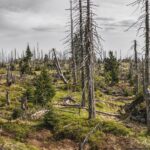
Habitat destruction poses a significant threat to wildlife. Urbanization, deforestation, and pollution often lead to species endangerment. Initiatives aimed at creating protected areas are crucial for preserving natural habitats and ensuring the survival of diverse flora and fauna. These spaces not only shelter wildlife but also provide opportunities for outdoor nature experiences.
Climate and Environmental Challenges
Climate change is reshaping our natural landscapes. Rising temperatures and shifting weather patterns disrupt delicate ecosystems, prompting changes in migrating species and altering growth cycles of plants. Addressing these challenges requires a multi-faceted approach that includes reducing greenhouse gas emissions and promoting sustainable land-use practices.
Conservation and Sustainability
Conservation efforts must focus on balancing human needs with the health of the planet. Sustainable living practices, such as reducing waste and selecting eco-friendly products, contribute to ecological balance. Engaging in eco-tourism can also foster respect for natural environments while supporting local economies.
Human Interaction with Nature
The way we interact with nature can significantly impact biodiversity. It is essential to develop environmental awareness to encourage responsible interactions. Activities like nature photography or hiking should be conducted respectfully, with minimal disturbance to habitats.
Common Environmental Mistakes
One common mistake is the underestimation of personal carbon footprints. Small daily choices—such as single-use plastics and food waste—accumulate and contribute to environmental degradation. Education on sustainable practices is vital for minimizing these impacts.
Future of Nature Conservation
The future of nature conservation hinges on collaborative efforts among governments, communities, and individuals. By fostering a culture of environmental stewardship, we can ensure that natural ecosystems thrive for generations to come. Continuous research and awareness initiatives will further catalyze positive changes in conservation strategies.
Conclusion
Reducing your carbon footprint involves thoughtful choices that respect and protect natural ecosystems. By engaging in nature exploration, supporting wildlife conservation, and practicing sustainable living, each of us can contribute to a healthier planet. The journey toward environmental awareness not only benefits wildlife but enriches our lives through meaningful outdoor nature experiences.