



Introduction
In an era where economic growth often conflicts with environmental sustainability, the challenge of balancing these two vital aspects has never been more pressing. Sustainable development aims to meet the needs of the present without compromising the ability of future generations to meet their own needs. By focusing on nature exploration and wildlife conservation, societies can work to foster a harmonious relationship with our planet’s natural ecosystems.



Current Nature and Environmental Trends
Recent trends indicate a growing awareness of the critical role of biodiversity in maintaining ecological stability. Global initiatives are increasingly recognizing that protecting natural habitats and wildlife is essential to sustaining human life. Some regions are seeing a rise in eco-tourism, spurred by public interest in experiencing and safeguarding these natural ecosystems.

Ecosystems and Biodiversity
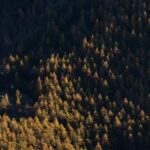
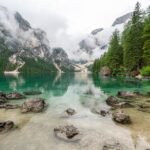
Natural ecosystems are complex networks of interdependent species. Biodiversity, the variety of life in these ecosystems, not only supports ecological resilience but also enhances productivity. Healthy populations of plants and animals contribute to vital ecosystem services, such as pollination, water purification, and climate regulation. However, habitat destruction and climate change pose significant threats to these intricate relationships.


Wildlife and Natural Habitats
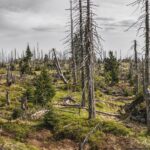
Forests, rivers, oceans, and mountains provide critical habitats for countless species. Forests, for example, are carbon sinks that play a significant role in mitigating climate change while offering homes to diverse wildlife. Protecting these habitats through sustainable logging practices and reforestation efforts is essential for both biodiversity and long-term economic growth.
Climate and Environmental Challenges
Climate change represents a formidable challenge to our natural landscapes and biodiversity. Rising temperatures, altered precipitation patterns, and increased frequency of extreme weather events threaten ecosystems globally. Sustainable living practices—such as reducing consumption, utilizing renewable energy sources, and minimizing waste—are crucial in combating these changes and preserving natural environments.
Conservation and Sustainability
Conservation efforts have gained momentum in recent years, focusing on protecting endangered species and restoring damaged ecosystems. Effective management of national parks and protected areas is vital for safeguarding biodiversity. These areas serve as benchmarks for sustainable practices and offer opportunities for outdoor nature experiences that foster environmental awareness.
Human Interaction with Nature
Human activities have a profound impact on nature. Unsustainable agriculture, urbanization, and industrial development often lead to habitat loss and increased pollution. Cultivating a deeper understanding of the interconnections between human well-being and natural ecosystems is essential for inspiring responsible stewardship of the environment.
Common Environmental Mistakes
Despite advancements in environmental awareness, several common mistakes persist. Overlooking the importance of local ecosystems, failing to engage communities in conservation efforts, and prioritizing short-term economic gains over long-term sustainability can hinder progress. Education and community engagement are essential to rectify these misunderstandings.
Future of Nature Conservation
The future of conservation lies in innovative approaches that integrate economic development with environmental protection. Initiatives promoting eco-tourism can provide sustainable income for local communities while preserving natural habitats. Additionally, leveraging technology for monitoring wildlife and habitats can enhance conservation efforts and foster a culture of environmental accountability.
Conclusion
Balancing economic growth with biodiversity preservation is an ongoing challenge that requires collective effort and commitment. By fostering a culture of sustainable living, enhancing environmental awareness, and promoting responsible practices in nature exploration, societies can make a meaningful impact on the health of our planet. The path forward is clear: a commitment to conservation is not just an environmental issue but a crucial aspect of sustainable development.