

Introduction
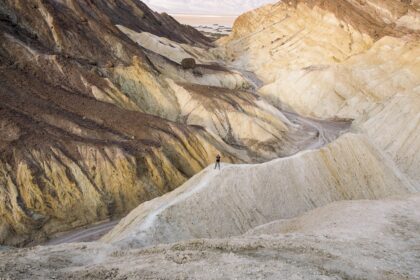
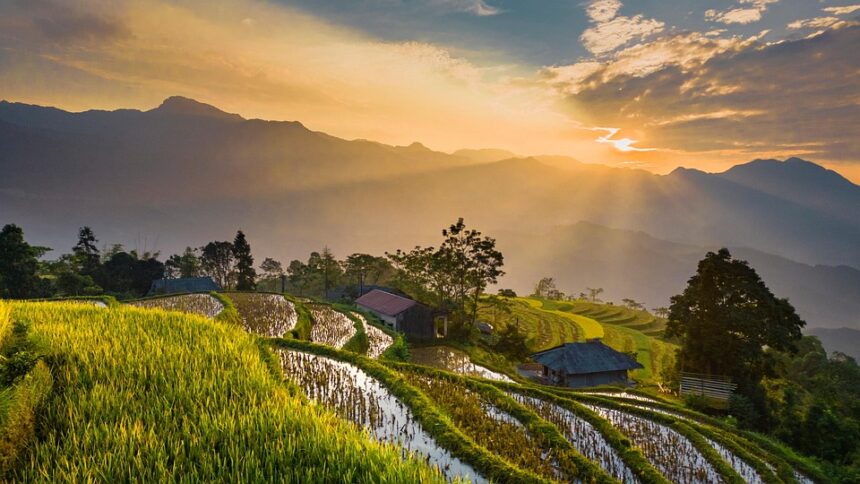
The concept of slow travel has gained popularity as more people seek immersive experiences in nature. This approach emphasizes deeper connections with the environment while promoting sustainability. As the modern world accelerates, slow travel invites us to explore natural ecosystems, wildlife, and diverse landscapes at a more thoughtful pace, fostering a greater sense of environmental awareness.



Current Nature and Environmental Trends
Amid rising concerns about climate change, more travelers are gravitating towards eco tourism. This shift reflects a desire to engage responsibly with the planet, evidencing a deeper understanding of biodiversity and environmental challenges. According to recent studies, eco tourism contributes to local economies while promoting conservation efforts in various regions.

Ecosystems and Biodiversity
Forests, mountains, rivers, and oceans are vital components of our planet’s ecosystems. Each habitat supports unique flora and fauna, and biodiversity is crucial for ecological resilience. For instance, rainforests like the Amazon are rich in species that contribute to global carbon storage and oxygen production. Acknowledging the intricate relationships within natural ecosystems can enhance our nature exploration experiences and encourage sustainable practices.


Wildlife and Natural Habitats
Whether trekking through a national park or observing marine life along coastlines, wildlife encounters are integral to outdoor nature experiences. Protected areas serve as sanctuaries for various species, allowing populations to thrive in their natural habitats. Efforts towards wildlife conservation are essential for maintaining these ecosystems and can inform visitors about the importance of preserving these delicate balances.
Climate and Environmental Challenges
Climate change poses significant threats to natural landscapes worldwide. Increased temperatures and shifting weather patterns disrupt traditional ecosystems and can lead to species decline or extinction. Factors such as habitat loss and pollution further exacerbate these challenges, necessitating urgent action. Advocating for climate-conscious travel and sustainable living practices can mitigate human impact on nature and support conservation initiatives.
Conservation and Sustainability
Promoting biodiversity and sustainable practices is essential for the preservation of natural environments. Engaging with local conservation organizations can provide travelers with opportunities to contribute meaningfully. Participating in efforts to restore degraded landscapes or volunteering for wildlife surveys directly supports ecological health and enhances personal connection to nature.
Human Interaction with Nature
Human interaction with nature can significantly impact both ecosystems and personal well-being. Experiences in natural settings have been shown to reduce stress and improve mental health. However, understanding our role in these environments is crucial. Activities such as responsible outdoor recreation and mindful nature photography can create awareness of environmental stewardship while fostering appreciation for our natural surroundings.
Common Environmental Mistakes
Despite a growing commitment to nature conservation, travelers often overlook basic principles of environmental responsibility. Littering, disturbing wildlife, and choosing unsustainable activities can lead to significant harm. Recognizing these common pitfalls encourages responsible behaviors and supports efforts to protect sensitive habitats.
Future of Nature Conservation
The future of nature conservation relies on collaborative efforts between governments, organizations, and local communities. Enhancing educational programs about biodiversity and climate change can empower individuals to take action in their own lives. As eco tourism grows, integrating conservation principles into travel experiences can cultivate long-lasting commitments to preserving our natural world.
Conclusion
Slow travel presents a unique opportunity to reconnect with nature by immersing oneself in diverse ecosystems and understanding the importance of wildlife conservation. By fostering environmental awareness and adopting sustainable practices, travelers can contribute to the preservation of the planet’s incredible biodiversity. Ultimately, the art of slow travel enriches our lives while nurturing the landscapes we cherish for generations to come.