


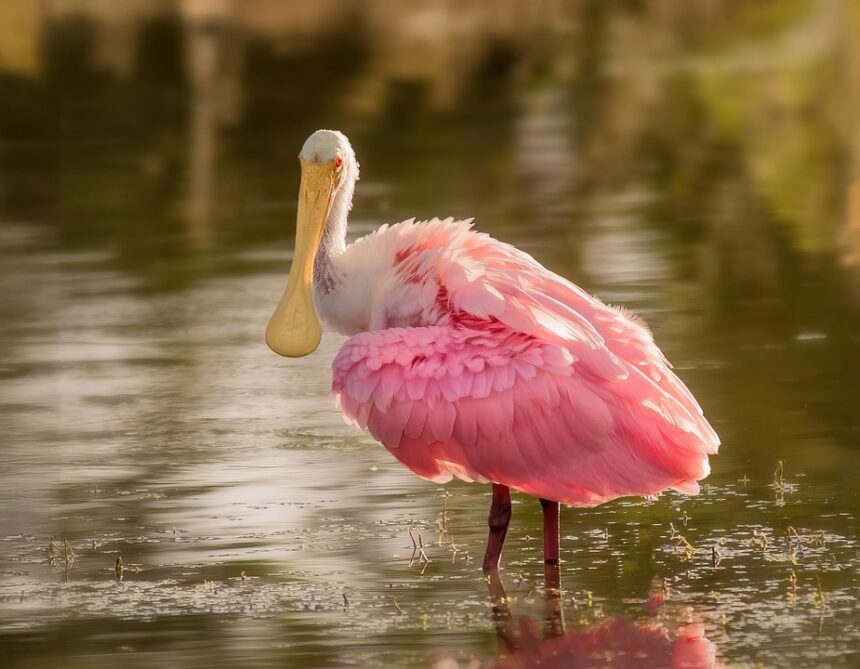
The intricate web of life that sustains our planet is largely dependent on the delicate balance of biodiversity, with pollinators playing a pivotal role. From deep forests to vibrant oceans, the influence of these creatures transcends ecosystems and directly impacts human existence. This article explores the importance of biodiversity, the plight of pollinators, and the urgent need for conservation efforts to ensure a sustainable future.
Current Nature and Environmental Trends


In recent years, public awareness of the vital link between biodiversity and environmental health has increased significantly. Reports from the Intergovernmental Science-Policy Platform on Biodiversity and Ecosystem Services (IPBES) highlight alarming declines in species populations and habitats. Key drivers such as habitat destruction, climate change, and pollution pose severe threats to biodiversity globally. As national parks and protected areas face increased pressure, the imperative for proactive conservation strategies has never been more urgent.



Ecosystems and Biodiversity
Biodiversity encompasses the variety of life on Earth, including genetic, species, and ecosystem diversity. Natural ecosystems, whether they be lush forests, expansive mountains, or vibrant coral reefs, thrive due to the interactions between different species. Pollinators, such as bees, butterflies, and birds, are crucial for the reproduction of more than 75% of flowering plants. Their role helps to maintain healthy landscapes, which in turn supports various other species within these ecosystems.
Wildlife and Natural Habitats


The loss of pollinator populations jeopardizes the health of wildlife habitats. For instance, the decline of bee species adversely affects fruit and flower production, leading to decreased food availability for various animals. Healthy ecosystems not only sustain plant and animal life but also provide essential services to human populations, including clean air and water. Conservation efforts aimed at protecting natural habitats are essential for maintaining the intricate relationships that facilitate biodiversity.
Climate and Environmental Challenges
Climate change exacerbates the challenges facing biodiversity, leading to shifts in habitat ranges and altered seasonal patterns that disrupt the lifecycle of many species, including pollinators. As temperatures rise, many plants and their dependent pollinators may not sync properly, resulting in mismatched timings for blooming and pollination. This disruption can lead to decreased plant reproduction and further declines in wildlife populations, creating a vicious cycle of environmental degradation.
Conservation and Sustainability
Effective conservation strategies are necessary to halt the current rates of biodiversity loss. Initiatives focusing on sustainable living practices, such as organic farming and habitat restoration, can support pollinator populations. Protected areas, including national parks, serve as sanctuaries for many species and can help buffer against the impacts of climate change. These spaces are crucial for biodiversity conservation, allowing ecosystems to recover and adapt over time.
Human Interaction with Nature
Human activities often impose significant stress on natural ecosystems. Urbanization, agriculture, and industrial developments contribute to habitat loss and pollution. Conversely, outdoor nature experiences, such as eco-tourism and nature photography, can serve as powerful tools for environmental awareness. Engaging people with nature fosters a deeper appreciation for biodiversity and encourages sustainable practices that can help protect environments at risk.
Common Environmental Mistakes
Despite the increased awareness, common mistakes persist. These include the overuse of pesticides that harm pollinators, poor waste management practices, and an underestimation of the value of ecosystem services. Education and advocacy play vital roles in shifting public perception and behavior towards more sustainable solutions. By understanding our impact on nature, individuals can contribute to conservation efforts more effectively.
Future of Nature Conservation
The future of nature conservation hinges on collaborative efforts across multiple sectors, including governments, NGOs, and local communities. As ecological challenges continue to grow, innovative solutions such as rewilding and community-based conservation projects show promise. These strategies not only support biodiversity but also empower local populations to engage actively in protecting their natural environments.
Conclusion
The power of pollinators extends beyond the immediate benefits they provide to ecosystems; they are a crucial component of global biodiversity. Understanding the interconnectedness of all living organisms fosters a greater commitment to conservation and sustainable living practices. By valuing and protecting biodiversity, we ensure the health of our planet for generations to come.