



In a world teeming with life, the smallest organisms often go unnoticed. Microorganisms such as bacteria, fungi, and protozoa play an essential role in sustaining biodiversity and supporting ecosystems globally. Their significance extends beyond mere existence; they interact with various components of natural ecosystems, influencing everything from soil health to climate regulation. A deeper understanding of these tiny allies enhances our nature exploration and reveals new avenues for wildlife conservation.
Current Nature and Environmental Trends


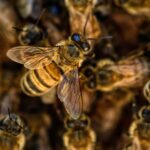
Today, growing interest in biodiversity has shifted focus towards understanding the intricate roles that microorganisms play in natural ecosystems. Research highlights how these organisms contribute to essential ecological processes such as decomposition, nutrient cycling, and plant growth. As climate change complicates ecosystems, recognizing the resilience and adaptability offered by microorganisms becomes increasingly critical.



Ecosystems and Biodiversity
Microorganisms are foundational to healthy ecosystems, facilitating interactions among flora and fauna. The symbiotic relationships they form—be it mycorrhizal fungi aiding plant nutrient uptake or nitrogen-fixing bacteria enriching soil—underscore their importance. Such interactions not only ensure biodiversity but also maintain the stability of forests, mountains, rivers, and oceans. Higher biodiversity equates to more resilient ecosystems, capable of withstanding environmental fluctuations.
Wildlife and Natural Habitats



Microorganisms are crucial in shaping and sustaining natural habitats. In forest ecosystems, for example, they decompose organic matter, releasing nutrients that support a diverse array of plant and animal species. Conservation efforts aiming to protect wildlife must therefore incorporate the health of microbial communities. Similarly, coral reefs rely on microorganisms for nutrient cycling, thus emphasizing the interconnectedness of life and the fragility of aquatic ecosystems.
Climate and Environmental Challenges
As the planet faces increasing climate challenges, microorganisms contribute significantly to carbon cycles and soil health, ultimately influencing climate regulation. They sequester carbon through processes such as methanogenesis and anaerobic digestion. Understanding these roles is vital for developing strategies to combat climate change while fostering an awareness of how interconnected our environmental systems truly are.
Conservation and Sustainability
Effective wildlife conservation strategies must include ecosystem conservation, which in turn depends heavily on the health of microbial life. Sustainable living practices that prioritize soil health and minimize pollution can enhance microbial diversity, making ecosystems more resilient. For instance, regenerative agriculture recognizes the importance of soil microorganisms in crafting sustainable food systems.
Human Interaction with Nature
Human activities significantly impact microbial populations, from pollution to deforestation. Urbanization often disrupts natural ecosystems, diminishing biodiversity. Re-establishing the connections between humans and nature can foster a greater appreciation for the roles microorganisms play, prompting initiatives for eco tourism and responsible outdoor nature experiences that emphasize environmental awareness and conservation.
Common Environmental Mistakes
Many conservation efforts overlook the vital contributions of microorganisms. A failure to recognize their roles leads to incomplete understanding of ecosystem dynamics. Misapplications in agriculture, such as overuse of fertilizers and pesticides, disrupt microbial populations, contributing to biodiversity loss and soil degradation. Recognizing these common errors is essential for developing more effective conservation strategies.
Future of Nature Conservation
Looking ahead, the future of nature conservation hinges on robust research into microorganism function and diversity. Integrating these findings into conservation models can lead to more efficient strategies for restoring ecosystems. Collaborations between scientists, conservationists, and the public can foster a culture of ecological responsibility, urging society to appreciate both visible wildlife and the crucial microorganisms that support it.
Conclusion
Microorganisms, despite their minuscule size, hold immense power in shaping global biodiversity. As we venture further into nature exploration and strive for sustainable living, understanding and preserving these tiny allies will be essential. Through an informed ecological approach, we can ensure the health and resilience of ecosystems, ultimately supporting the intricate tapestry of life on Earth.