


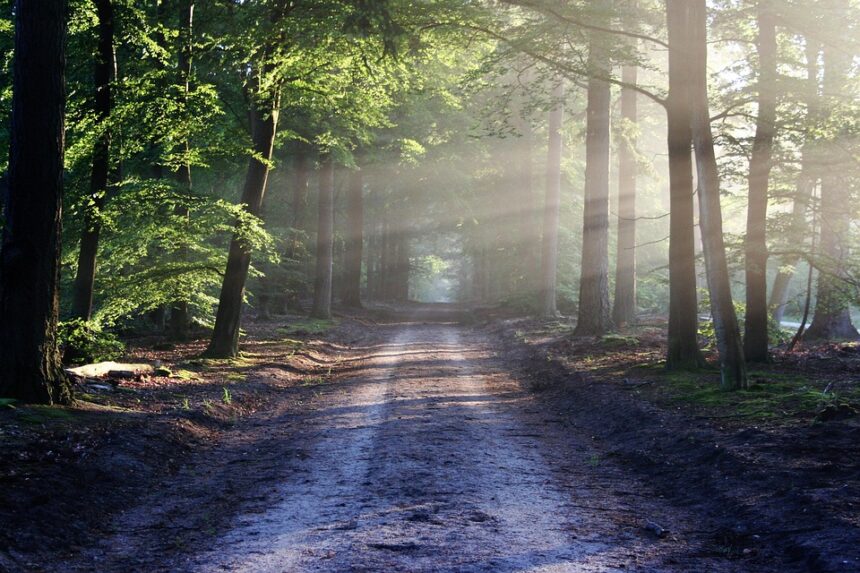
Nature is a wondrous tapestry, woven with ecosystems that boast extraordinary wildlife, lush forests, towering mountains, and flowing rivers. As we embark on journeys through these breathtaking landscapes, it becomes imperative to examine our interaction with the environment. This article explores the intricate balance between nature exploration and the responsibility we carry to maintain its beauty and biodiversity.
Current Nature and Environmental Trends



In recent years, nature exploration has grown immensely as people seek solace from urban environments. Trends indicate a significant rise in eco tourism, with travelers prioritizing destinations that promote environmental awareness and conservation efforts. National parks and protected areas are increasingly in focus, serving as bastions of biodiversity and as critical sites for scientific research and public education.


Ecosystems and Biodiversity
The health of our planet’s ecosystems is intrinsically linked to biodiversity. Varied habitats, from dense forests to expansive oceans, support a wealth of plant and animal species. However, the loss of animal habitats and deforestation pose severe threats to these ecosystems. Biodiversity ensures resilience; a diverse ecosystem can withstand environmental changes more effectively than a monoculture. Protecting these natural ecosystems is vital for services they provide, including air and water purification and carbon sequestration.
Wildlife and Natural Habitats


Wildlife conservation is at the forefront of environmental efforts, with initiatives aimed at preserving endangered species and their habitats. Many species depend on healthy ecosystems for survival, and fragmentation from human activity can lead to species decline. The Great Barrier Reef, for instance, is a complex marine ecosystem facing significant threats from climate change and pollution. Efforts to restore and conserve such habitats can stabilize not only marine life but also coastal economies reliant on healthy marine ecosystems.
Climate and Environmental Challenges
Climate change remains one of the most pressing environmental challenges of our time. Rising temperatures, altered precipitation patterns, and increased frequency of extreme weather events pose significant risks to biodiversity and natural ecosystems. These shifts disrupt wildlife migration patterns and breeding seasons, impacting food webs and species survival. Ongoing research into these phenomena is essential to formulate adaptive strategies for wildlife and habitat conservation.
Conservation and Sustainability
Conservation efforts are increasingly focused on sustainable living practices. Restoration projects and habitat protection are crucial elements in combating the negative impacts of climate change. Sustainable living, whether through responsible tourism practices or green urban planning, needs to be a core philosophy in both personal and policy choices. Preserving valuable resources, reducing waste, and participating in conservation initiatives can foster healthier ecosystems and promote biodiversity.
Human Interaction with Nature
Our relationship with nature is complex and multifaceted. Urbanization has led to a disconnect with the natural world, yet trends indicate that outdoor nature experiences can enhance public appreciation for environmental issues. National parks, wildlife reserves, and urban green spaces provide opportunities for individuals to engage with nature, fostering a sense of stewardship and responsibility towards the environment.
Common Environmental Mistakes
While the intention to explore and appreciate nature is widespread, common mistakes can hinder conservation efforts. Over-tourism can lead to habitat degradation, littering can harm wildlife, and lack of awareness can disrupt local ecosystems. Education and guidelines for eco-friendly practices are essential for minimizing human impact during nature exploration. Awareness of one’s ecological footprint is a crucial step toward responsible exploration.
The Future of Nature Conservation
The future of nature conservation hinges on capable policies, community involvement, and global cooperation. Innovations in eco tourism can lead to economic benefits while promoting wildlife conservation. Engaging young people through nature photography and educational initiatives can further enhance environmental awareness and foster a generation committed to conservation.
Conclusion
In conclusion, wandering through nature’s breathtaking destinations is not merely an adventure; it is a responsibility. Understanding the critical importance of our ecosystems and biodiversity, alongside our role in their preservation, is vital. As stewards of the planet, embracing sustainable practices during our nature explorations will ensure that future generations can revel in the beauty and wonder of nature.