



The intersection of human activity and the natural world is becoming increasingly strained, yet community-driven initiatives are emerging as powerful forces in the conservation of endangered species. This article delves into how grassroots efforts are creating tangible change in ecosystems and biodiversity, with a focus on the vital roles that nature exploration and sustainable living play in these endeavors.
Current Nature and Environmental Trends



Globally, the trend of environmental awareness has grown substantially as communities recognize their interconnectedness with nature. An increase in eco tourism has allowed for immersive nature exploration, fostering a deeper understanding of the delicate balance that sustains wildlife and ecosystems. Local initiatives often focus on reforestation, habitat restoration, and minimizing human impact, which contribute significantly to wildlife conservation.



Ecosystems and Biodiversity
Biodiversity is critical for the stability of natural ecosystems. Various communities around the world have initiated programs aimed at protecting diverse habitats, ranging from tropical forests to mountainous regions. For example, the restoration of mangroves along coastlines not only provides critical habitat for endangered species but also serves as a natural buffer against climate change effects such as rising sea levels.
Wildlife and Natural Habitats

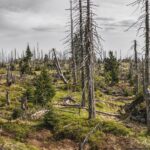

Local efforts to protect wildlife often hinge on the preservation of natural habitats. Grassroots organizations are working towards securing protected areas that ensure critical ecosystems remain viable. Community-led wildlife monitoring programs engage local populations in tracking endangered species, thus fostering a sense of ownership and responsibility towards their conservation.
Climate and Environmental Challenges
The impacts of climate change pose significant challenges to biodiversity. Many communities are directly confronting these threats through immediate action and education. Initiatives often include habitat restoration projects, addressing pollution, and creating awareness about the effects of climate change. The role of local populations in these efforts is indispensable, as they often witness firsthand the changes in their environment.
Conservation and Sustainability
Conservation efforts that involve sustainable living practices have proven effective. Incorporating traditional ecological knowledge with modern conservation techniques helps promote ecosystems preservation. Communities that practice sustainable agriculture, responsible resource use, and habitat-friendly tourism create a framework for maintaining biodiversity while ensuring economic viability.
Human Interaction with Nature
Human interactions with nature are double-edged swords. While urban expansion and pollution threaten ecosystems, there is a growing trend of promoting outdoor nature experiences. Activities such as guided nature walks and wildlife photography tours are increasing awareness about the importance of preserving biodiversity, encouraging respect for natural habitats.
Common Environmental Mistakes
Despite advancements, certain common mistakes prevail in conservation efforts. These include underestimating the complexity of ecosystems and oversimplifying solutions to biodiversity loss. Awareness campaigns need to address these pitfalls to better educate the public and foster informed action.
Future of Nature Conservation
The future of nature conservation heavily relies on continued engagement at the community level. By supporting initiatives that encourage biodiversity and protect natural ecosystems, we can forge a resilient path forward. Future efforts must integrate environmental awareness education and practical, sustainable practices to ensure the survival of endangered species.
Conclusion
As we advance into an era marked by environmental challenges, community efforts remain at the forefront of wildlife conservation. The synergy between nature exploration, sustainable living, and local initiatives illustrates the profound impact communities can have in saving our planet’s endangered species. By combining informed action with engaged stewardship, we can cultivate a future where biodiversity thrives.