


Introduction
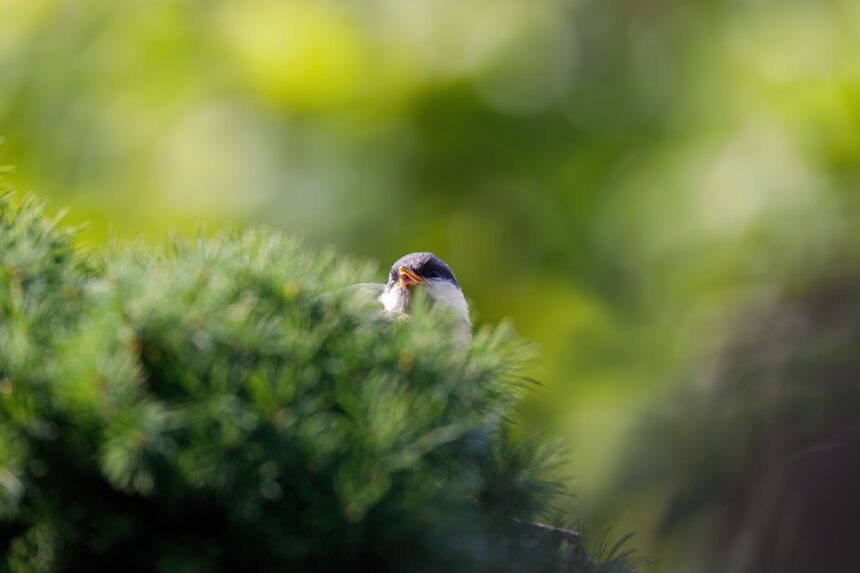
As the collective consciousness of humanity heightens towards environmental issues, it is essential to recognize the intricate web of life that sustains our planet. The urgent call to preserve Earth’s biodiversity encapsulates not only the survival of species but also the health of our natural ecosystems, which are integral to our existence. This article delves into the current trends, challenges, and solutions surrounding nature exploration, wildlife conservation, and sustainable living.


Current Nature and Environmental Trends
Recent studies indicate alarming trends in biodiversity loss across the globe. The World Wildlife Fund’s (WWF) Living Planet Report highlights an average decline of 68% in vertebrate populations since 1970. This decline is primarily a consequence of habitat destruction, climate change, pollution, and overexploitation of natural resources. Despite these concerning trends, movements focused on environmental awareness, eco tourism, and sustainable practices are gaining momentum, reflecting a societal shift towards nature-friendly lifestyles.


Ecosystems and Biodiversity
Natural ecosystems are composed of complex interrelations among plants, animals, and their physical environment. Biodiversity is crucial within these systems as it contributes to resilience against environmental changes. Each species plays a specific role, from pollinators to predators, ensuring the stability and sustenance of their habitats. Protecting such biodiversity is essential, as ecosystems function optimally only when all its components thrive.


Wildlife and Natural Habitats
Forests, mountains, rivers, and oceans host a diverse array of species, each uniquely adapted to their surroundings. For instance, tropical rainforests are home to over half of the world’s plant and animal species, making their conservation paramount. However, habitat destruction due to logging and agriculture undermines these ecosystems. Conservation efforts centered on wildlife corridors and protected areas are vital to mitigate such impacts, helping wildlife populations to thrive amidst encroaching human activities.
Climate and Environmental Challenges
Climate change poses one of the most significant threats to global biodiversity. It affects migration patterns, breeding seasons, and can lead to habitat loss. Rising temperatures and changing precipitation patterns disrupt natural ecosystems, often leading to a cascade of negative effects on wildlife. Current projections estimate that without immediate action, one in six species could face extinction due to climate-related changes by the end of the century.
Conservation and Sustainability
Sustainable living is an approach that emphasizes minimizing human impact on the environment. Practices such as responsible tourism, wildlife conservation, and sustainable agriculture not only help protect ecosystems but also promote biodiversity. Initiatives that encourage the preservation of national parks and protected areas, such as the establishment of marine reserves and wildlife refuges, showcase successful models for conservation that balance human interests with environmental integrity.
Human Interaction with Nature
The relationship between humans and nature has often been exploitative; however, emerging trends show a shift towards appreciation and protection of the natural world. Outdoor nature experiences, from hiking in national parks to participating in citizen science, foster a connection to the environment. Nature photography and eco tourism further engage individuals, promoting environmental stewardship and awareness.
Common Environmental Mistakes
Despite good intentions, common mistakes such as neglecting local ecosystems or supporting unsustainable products can undermine conservation efforts. Awareness and education are key in mitigating these pitfalls. Promoting eco-friendly alternatives and encouraging local conservation initiatives can foster a culture of respect towards biodiversity and natural landscapes.
Future of Nature Conservation
The future of nature conservation hinges on collective action and comprehensive policies aimed at mitigating climate change and protecting natural habitats. Engaging diverse stakeholders—from local communities to global organizations—will be crucial in fostering a resilient and sustainable future for Earth’s biodiversity. Enhanced public awareness and education will play pivotal roles in this endeavor.
Conclusion
As we stand on the brink of irreversible ecological change, the call for action has never been more urgent. By focusing on nature exploration, wildlife conservation, and sustainable practices, we can help ensure that Earth’s myriad life forms continue to thrive. By embracing our role as stewards of the planet, we can collectively safeguard our natural heritage for generations to come.