

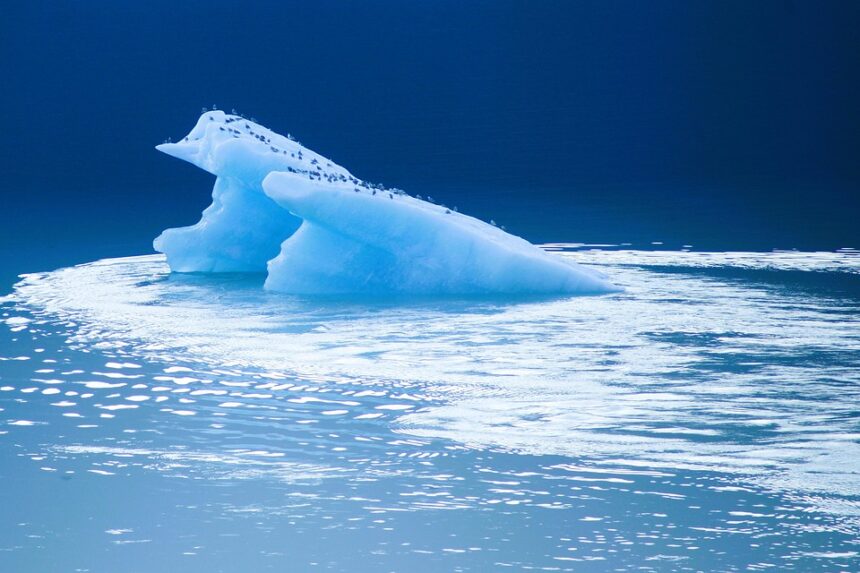
Earth is home to a vast array of natural wonders, ranging from ancient forests to stunning fjords. Understanding these environments is essential for promoting biodiversity, implementing sustainable living practices, and enhancing environmental awareness. This article delves into various aspects of nature exploration, focusing on ecosystems, wildlife, climate impacts, and conservation efforts.
Current Nature and Environmental Trends



Recent trends indicate a growing interest in eco tourism and outdoor nature experiences. People are increasingly seeking direct engagement with the natural world, nervous about the consequences of climate change and habitat loss. This need for connection has driven advancements in nature photography, allowing for a greater appreciation of our planet’s diverse ecosystems.



Ecosystems and Biodiversity
Biodiversity is critical for healthy ecosystems. Forests and mountains, for instance, host numerous plant and animal species, forming intricate ecological networks. The Amazon Rainforest, representing one of the most biodiverse areas on the planet, provides essential services like carbon storage and oxygen production. However, these ecosystems face threats from deforestation and land-use changes, jeopardizing their stability and resilience.
Wildlife and Natural Habitats


Wildlife conservation efforts are paramount in preserving natural habitats. Protected areas, such as national parks, serve as sanctuaries for many endangered species. The adaptation of wildlife to rapid environmental changes is crucial; understanding these dynamics can aid in developing effective conservation strategies. Habitat restoration projects, such as reforestation and wetland rehabilitation, play vital roles in fostering biodiversity.
Climate and Environmental Challenges
Climate change poses significant threats to ecosystems worldwide. Rising temperatures, altered precipitation patterns, and increasing frequency of extreme weather events contribute to habitat degradation. For instance, coral reefs—rich in biodiversity—are experiencing widespread bleaching due to warmer ocean temperatures. Addressing these issues requires a global commitment to reducing greenhouse gas emissions and promoting sustainable living practices.
Conservation and Sustainability
Conservation strategies must balance ecological needs with human interests. Sustainable living includes promoting practices that reduce environmental impact, such as minimizing waste, conserving energy, and supporting local conservation initiatives. Each individual’s contributions can create a cumulative effect, fostering a more sustainable relationship with nature.
Human Interaction with Nature
Human interactions with nature have evolved dramatically over the decades. Increased outdoor nature activities, from hiking to wildlife watching, heighten environmental awareness. Education on local ecosystems promotes a deeper appreciation of natural wonders, encouraging stewardship among communities. However, it’s essential to recognize the impact of such activities. Over-tourism can strain local ecosystems, showcasing the importance of responsible eco tourism.
Common Environmental Mistakes
Despite increasing awareness, some common mistakes persist. Over-reliance on single-use plastics remains one of the most significant environmental challenges. Many visitors disturb wildlife and damage natural habitats unknowingly, highlighting the need for better education on responsible outdoor practices. Realigning outdoor experiences with sustainability principles must be a priority moving forward.
Future of Nature Conservation
The future of nature conservation hinges on innovative partnerships between communities, governments, and organizations. Funding for research and conservation projects is essential for addressing pressing environmental issues. Continued public engagement through eco tourism and outdoor nature experiences can further strengthen conservation efforts. Collective action focused on biodiversity preservation and habitat restoration will be crucial as we advance into an uncertain climatic future.
Conclusion
In conclusion, Earth’s natural wonders—from forests to fjords—are invaluable resources that require our protection. Understanding the intricate connections within ecosystems can enhance our efforts in wildlife conservation, promote biodiversity, and inspire sustainable living practices. By fostering environmental awareness, we can ensure that future generations inherit a planet rich in natural beauty and ecological integrity.