


Introduction
Legislation plays a crucial role in shaping the management and protection of wildlife and natural ecosystems. It serves as a framework that guides conservation efforts, establishes protected areas, and fosters sustainable living practices. This article examines how various policies impact wildlife conservation and the overall health of our natural landscapes.


Current Nature and Environmental Trends
In recent years, there has been a growing awareness regarding the significance of biodiversity and the need for action against climate change. Protected areas, like national parks, have expanded globally, with initiatives focusing on ecosystem restoration and conservation. Legislation such as the Endangered Species Act and the Convention on Biological Diversity have solidified commitments to protect wildlife habitats and maintain ecological balance.

Ecosystems and Biodiversity
Natural ecosystems, including forests, rivers, mountains, and oceans, are vital for maintaining biodiversity. Legislation aimed at habitat preservation often leads to increased monitoring and management of these areas. Effective policies help maintain the intricate relationships between species, ensuring the resilience of ecosystems in the face of environmental changes.


Wildlife and Natural Habitats
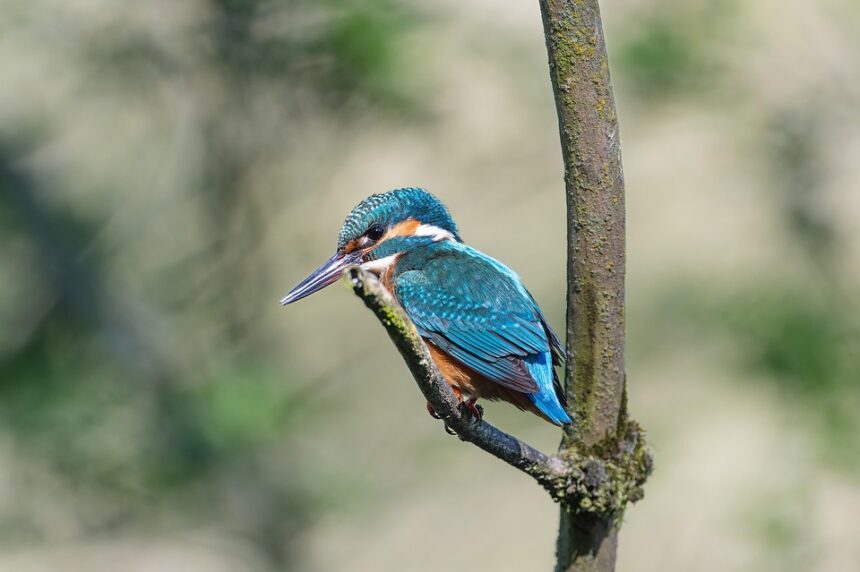
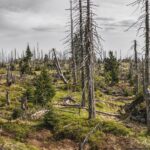
Wildlife conservation depends on the protection of natural habitats. Comprehensive legal frameworks facilitate the establishment of wildlife preserves and management of migratory corridors. Such policies often prioritize the most vulnerable species, helping to stabilize populations and recover ecosystems threatened by human activity and climate change.
Climate and Environmental Challenges
Legislation also addresses the challenges posed by climate change, such as habitat loss and altered species distributions. Policies aimed at mitigating climate impacts encourage sustainable practices, not just for conservation but for enhancing climate resilience in ecosystems. These policies include incentives for reducing carbon footprints and promoting renewable energy sources.
Conservation and Sustainability
Conservation strategies are increasingly intertwined with sustainable living practices. Laws promoting eco-tourism enable communities to benefit financially from natural resources while emphasizing the importance of biodiversity. This symbiosis between conservation and sustainable living is essential for enhancing environmental awareness and encouraging local stewardship of ecosystems.
Human Interaction with Nature
Human impact on nature is often detrimental, leading to habitat destruction and biodiversity loss. Legislative measures, such as zoning laws and land-use regulations, aim to mitigate these impacts by limiting development in sensitive areas. Education and outreach programs also support environmental awareness, encouraging responsible outdoor nature experiences.
Common Environmental Mistakes
Despite legislative efforts, common mistakes persist, such as lack of enforcement, insufficient funding for conservation programs, and inadequate public engagement. These gaps can hinder the effectiveness of wildlife protection policies. Enhancing cooperation between government agencies, non-profits, and local communities is vital for overcoming these challenges.
Future of Nature Conservation
The future of nature conservation hinges on adaptive management practices and robust legislation that evolves with scientific understanding. Increasingly, policies are informed by data-driven research in wildlife biology and ecology, creating a more effective framework for protecting biodiversity. Engaging citizens through participatory conservation initiatives can foster a stronger connection to natural landscapes.
Conclusion
Legislation is pivotal in mitigating human impact on ecosystems and enhancing wildlife conservation. As environmental challenges grow, the need for comprehensive policies that support sustainable living and protect biodiversity becomes even more pressing. Continued efforts in environmental awareness and community engagement are necessary for ensuring the integrity of our natural ecosystems for future generations.